
Rock Climbing: More Than an Extreme Sport, a Lifestyle for Physical and Mental Nourishment
From Building Strength to Cultivating Focus: Finding Your Balance on the Wall

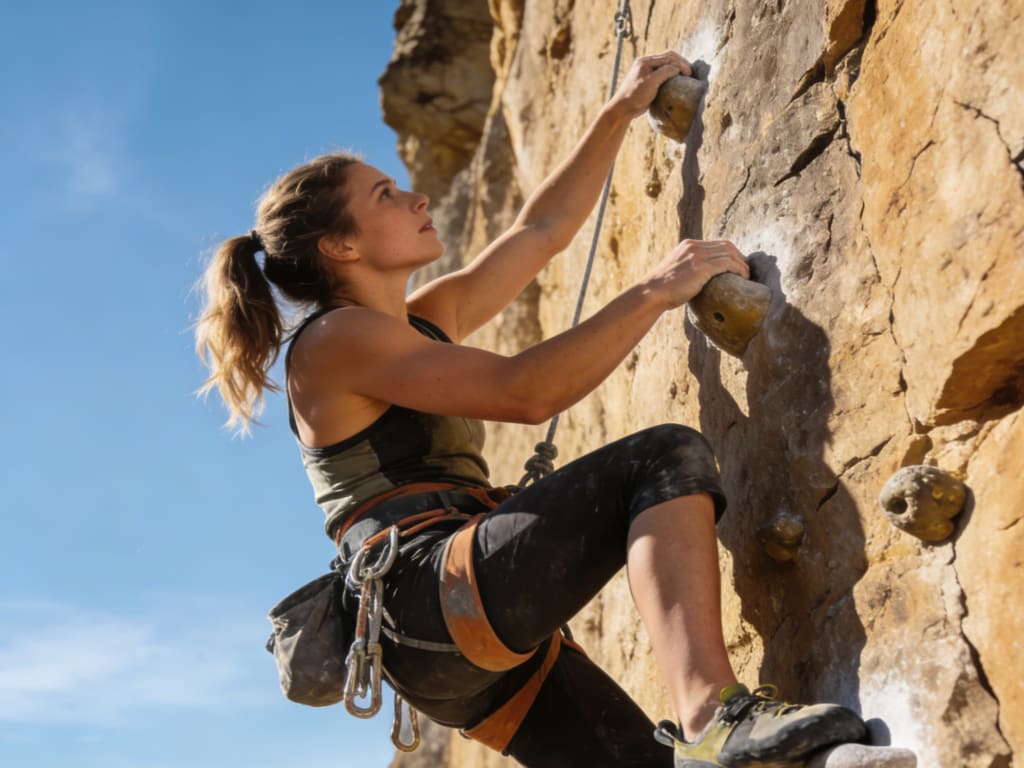
In recent years, rock climbing has gradually moved beyond the niche circle of extreme sports to become a new choice for urban dwellers to relieve stress and regulate their physical and mental well-being. From the extreme challenge of free soloing Taipei 101 to the daily sessions of ordinary people in urban climbing gyms, this sport has attracted people of all ages and professions with its unique charm.
Contrary to the common perception that climbing is "dangerous and niche," it not only exercises physical fitness but also nourishes the mind and body psychologically, becoming a lifestyle that combines fitness and healing value. Its many benefits have also been confirmed by research in psychology and sports science.

The most prominent benefit of rock climbing is that it forces people to focus on the present moment and alleviate anxiety. In daily life, people are often troubled by trivial matters such as work and family, falling into a state of mental chaos and internal friction. When climbing, however, out of instinctive safety considerations, one must fully concentrate on judging holds, coordinating the body, and controlling movements, leaving no time for other distractions.
This state of high engagement is exactly the "flow" experience proposed by psychologists, which can effectively guide people away from negative ruminative thinking. Relevant studies have shown that adolescents who participate in climbing for a long time have significantly milder symptoms, such as separation anxiety and obsessive-compulsive thinking, than non-athlete groups. A short session of indoor bouldering is even more effective in improving mindfulness levels than regular physical training, which is why climbing is also known as "moving meditation."

For women, rock climbing is even more a carrier of strength to return to their nature and break free from constraints. Data shows that in 2023, the proportion of female climbers was close to half of the total participants. Women are born with advantages for climbing—a higher strength-to-weight ratio, better flexibility, and stronger muscular endurance. These traits enable women to gain a sense of accomplishment through skill and tenacity in climbing and re-recognize their own strength.
Rock climbing can also effectively combat "learned helplessness" and help people build self-efficacy. Many people encounter criticism at work and a disconnect between effort and reward, easily falling into self-doubt that "I can't do it." Rock climbing, however, offers a completely different experience: there is no single correct solution to the same route. People of different heights and strengths can find a way that suits them. Every successful summit after adjustments to movements yields immediate, clear positive feedback. This experience allows people to gradually establish the belief that "I can do it," discover their hidden abilities, alleviate the sense of powerlessness in daily work, and rebuild confidence.

In addition, the psychological healing value of rock climbing has been scientifically verified, becoming an emerging therapeutic intervention method — bouldering psychotherapy. Surveys show that more than 70% of climbers believe that climbing has a positive impact on mental health, and some even believe that its help exceeds that of medication. Research by German psychologists has found that bouldering psychotherapy is comparable in effectiveness to cognitive behavioral therapy (CBT), the current mainstream and most validated treatment method, in relieving depressive symptoms. Combining physical activity with psychotherapy, it has the advantages of low stigma and high participation, and its therapeutic effects can last for at least 12 months.
At the same time, rock climbing fosters pure interpersonal connections and teaches people to accept failure. There is no intense confrontation in climbing gyms; onlookers always cheer for climbers, and a high level of trust is required between climbers and belayers. This tacit support without words can alleviate the atomized loneliness of modern society. More importantly, rock climbing teaches people to view failure correctly: the first thing coaches teach is not how to exert force, but how to fall safely. A “fall” on the wall is not a “failure,” but the start of the next attempt. This tolerance for failure helps people break free from the constraints of meritocracy, learn to accept imperfection, and grow through repeated attempts.
The charm of rock climbing lies not in the thrills of extreme challenges, but in its ability to allow people to reconnect their bodies and minds through interaction with the wall, learning to focus, accept, trust, and cooperate. It is more than just a sport — it helps people find a fulcrum for physical and mental balance in a fast-paced, high-pressure life, and learn to get along well with themselves. This is the core reason why it is loved by more and more people.
About the Creator
Cher Che
New media writer with 10 years in advertising, exploring how we see and make sense of the world. What we look at matters, but how we look matters more.
Day 4 of Quitting
If this is how sobriety feels, maybe it’s better to go through life a little buzzed… this, along with other hits like, I want to kill myself, I wish I was dead, and I’m going to throw myself off a bridge have been the only thoughts on rotation these past few days. I promise myself that if, in a month, I still feel like this (‘this’ meaning despondent, full of rage, and simultaneously numb) I can go back to smoking. Until mid-February though? Nicotine is off the table.
By sleepy drafts29 days ago in Longevity
How a Cut on the Foot Led to a Dangerous Infection While Pregnant
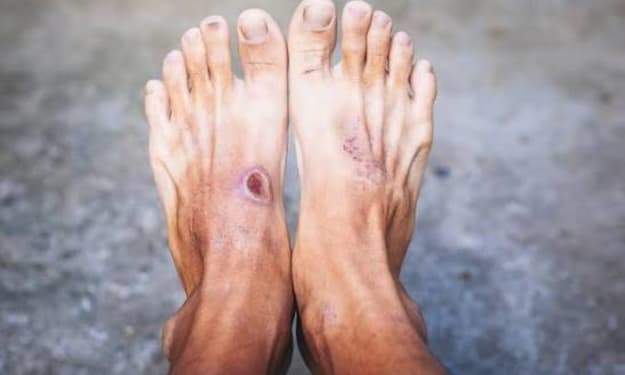
Small injuries can become serious health risks during pregnancy Pregnancy is a time when even minor injuries can have significant consequences. A simple cut on the foot, often seen as trivial, can sometimes lead to dangerous infections, particularly during pregnancy. The combination of changes in the immune system, circulation, and hormonal shifts can make pregnant individuals more vulnerable to complications. Medical professionals emphasize that prompt attention to cuts, scrapes, and wounds is essential to prevent infections that could threaten both the mother and the baby. The Case of a Cut That Escalated Consider the story of Emma, a 28-year-old pregnant woman. While gardening, she accidentally cut her foot on a thorn. Initially, she cleaned the wound, applied a bandage, and thought little of it. However, within a few days, she noticed: Redness spreading around the cut Swelling and warmth Increasing pain Mild fever By the time she sought medical care, the infection had progressed significantly. Tests revealed a bacterial infection that required immediate treatment to prevent more severe complications. Why Pregnancy Increases Risk During pregnancy, the body undergoes several changes that make infections more dangerous: Weakened Immune Response The immune system adapts to support the developing fetus, which can reduce the body’s ability to fight off bacteria effectively. Changes in Blood Circulation Increased blood volume and changes in circulation can sometimes slow the healing process and allow infections to spread more easily. Hormonal Shifts Hormones like progesterone affect skin elasticity and tissue repair, which may make cuts more susceptible to bacteria. These factors combined mean that a small cut can quickly escalate into a serious infection if not treated promptly. Signs of Infection to Watch For Medical experts recommend that pregnant individuals pay close attention to any wound, even if it seems minor. Common warning signs include: Redness and swelling beyond the cut itself Pus or unusual discharge Warmth or throbbing pain Fever or chills Rapid spreading of the affected area If any of these symptoms appear, seeking immediate medical attention is critical to prevent further complications. Potential Complications Left untreated, infections during pregnancy can lead to serious issues for both mother and baby, including: Sepsis: A life-threatening systemic infection that can spread through the body Preterm labor: Infections can trigger early contractions Low birth weight: Maternal infections may affect fetal growth Necrotizing infections: Severe bacterial infections that destroy tissue These risks underscore the importance of treating even small injuries seriously. Steps to Prevent Infection Pregnant individuals can take practical steps to reduce the risk of infection from minor cuts: Clean the Wound Immediately Use mild soap and water to remove dirt and debris. Avoid harsh chemicals that can irritate the skin. Apply an Appropriate Dressing Cover the wound with a clean bandage and change it regularly to keep the area protected. Monitor Closely Check the cut daily for redness, swelling, or discharge. Seek Prompt Medical Advice If signs of infection appear, consult a healthcare provider immediately. Antibiotics may be prescribed, and certain medications are safe to use during pregnancy under medical supervision. Maintain General Health A balanced diet, good hydration, and proper prenatal care strengthen the immune system and support wound healing. When to Contact a Doctor Even if a cut seems minor, pregnant individuals should contact a healthcare provider if: The wound does not start healing within a couple of days Redness or swelling spreads quickly There is pus, foul odor, or discharge Fever or chills develop Early treatment can prevent serious complications and ensure both mother and baby remain safe. Lessons From Real Cases Emma’s story is not unique. Healthcare providers report numerous cases where minor injuries escalated during pregnancy due to delayed care or underestimating the risks. These examples highlight the importance of awareness and taking even small injuries seriously. Pregnancy requires extra caution because the body’s natural defenses are temporarily altered, and infections can progress more rapidly than in non-pregnant individuals. Conclusion A cut on the foot may seem minor, but during pregnancy, even small wounds can lead to dangerous infections. Changes in the immune system, circulation, and hormones increase susceptibility and can make complications more severe. Pregnant individuals should treat every cut seriously, monitor for warning signs, and seek medical attention promptly. Early action can prevent serious health risks and ensure the safety of both mother and baby. This case serves as a reminder that vigilance, care, and prompt medical consultation are essential during pregnancy—even for seemingly small injuries.
By Fiaz Ahmed 7 days ago in Longevity



Comments
There are no comments for this story
Be the first to respond and start the conversation.