
Replacing Missing Teeth with Dentures: What to Expect Before and After
A Complete Guide to Restoring Your Smile with Confidence

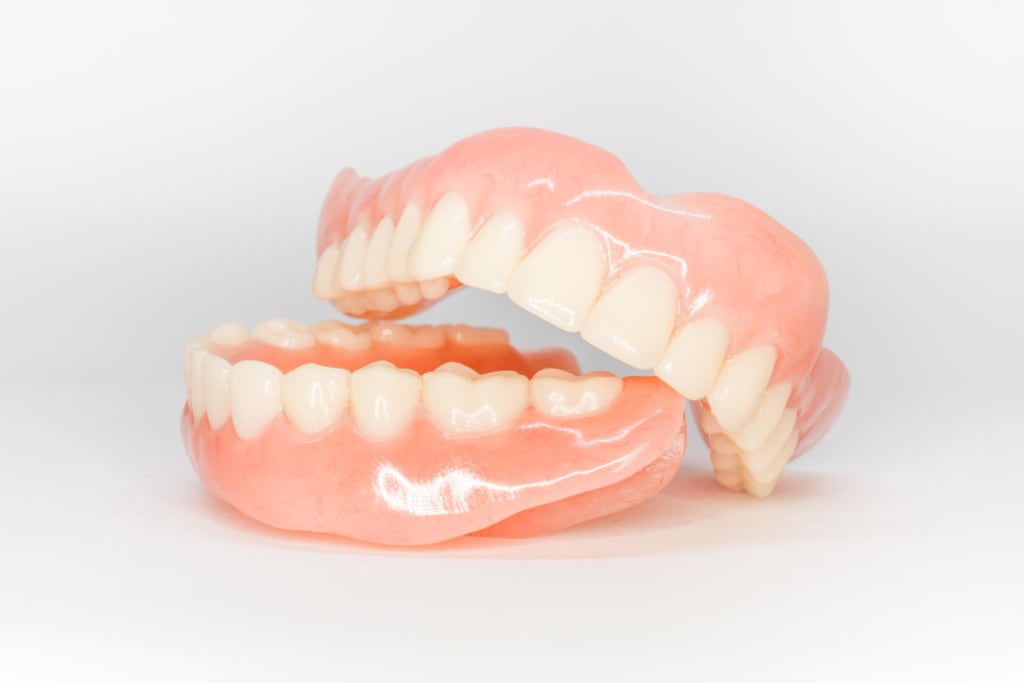
Losing teeth creates more than cosmetic issues since it disrupts oral function and health support. Dentures present a dependable dental restoration approach that helps people regain their oral function and better oral appearance. Knowing what to expect before and after the process can help you feel more confident when considering dentures.
Before Getting Dentures: What You Need to Know
1. Consultation and Assessment
Your journey begins with a dental consultation. Dental evaluation includes an assessment of your oral condition followed by mould-taking alongside the determination of suitable options between full dentures for entire tooth loss and partial dentures for replacing specific missing teeth.
2. Tooth Extraction (If Needed)
Your dentist may perform extractions if you still have some natural teeth that need removal. The healing duration before dental prosthesis readiness varies among patients, although most need approximately two weeks. During this time, it’s essential to follow post-extraction care instructions, including maintaining a soft diet, avoiding smoking, and using prescribed medicines to promote healing.
3. Immediate vs. Conventional Dentures
You may be given immediate dentures right after extraction to maintain function and aesthetics while your gums heal. However, these are temporary, and adjustments will be needed before transitioning to permanent dentures. Conventional dentures are custom-made after the healing process is complete, ensuring a more precise and comfortable fit.
4. Customising Your Dentures
Your dentist uses impression and measurement data to develop dentures that fit correctly and appear natural. This process may take multiple visits to ensure the best fit. You may also have a say in selecting the colour and shape of your new teeth to match your natural appearance.
The Adjustment Period: What to Expect After Getting Dentures
1. Initial Discomfort and Adaptation
You will experience typical discomfort when your mouth adapts to dentures. You may experience:
- Soreness in the gums
- Increased saliva production
- Difficulty speaking clearly
- A slight change in taste perception
With time and practice, these issues should improve. Your dentist may suggest minor adjustments to enhance comfort.
2. Eating with Dentures
Eating with dentures requires some adaptation. Begin by consuming soft foods before gradually beginning to eat solid foods. Dividing food into small parts combined with slow chewing allows you to prevent annoying experiences. You must first limit your consumption of slippery or rigid foods because these items may make your dentures move improperly or develop defects.
3. Speaking Clearly
You may notice slight speech changes initially, but practice can help. Reading aloud and repeating difficult words can speed up the adjustment process. Over time, your tongue and lips will adapt to the dentures, making speech more natural.
4. Proper Denture Care
Maintaining your dentures is essential for longevity and oral health. Follow these steps:
- Rinse dentures after eating to remove debris.
- Regular daily cleaning of dentures should use a denture brush and gentle cleaner.
- Dentures should be soaked overnight in denture solution to maintain their moisture.
- Regular brushing of your gums and tongue practice helps maintain your oral hygiene.
- The use of hot water should be avoided because it damages the shape of dentures.
5. Follow-Up Appointments
Your dentures need periodic visits to the dentist to verify proper fit and maintain their optimal state. Adjustments may be required over time as your gums and jawbone naturally change. Poorly fitting dentures can cause irritation and sores, so never hesitate to seek professional adjustments.
Common Challenges and Solutions
Adapting to dentures can come with a few challenges, but knowing how to manage them makes the process smoother:
- Slipping Dentures: If your dentures feel loose, practice using adhesive or consult your dentist for adjustments.
- Gag Reflex: If you struggle with gagging, try swallowing before inserting dentures or opt for a smaller, more refined fit.
- Sore Spots: Rinse with salt water and allow your gums time to adjust. A dentist should address persistent pain.
Long-Term Benefits of Dentures
Dentures return clear oral function and prevent loose facial features when teeth disappear. They can provide years of function and confidence in your smile with proper care. Additionally, well-fitted dentures support jawbone structure, reducing the risk of bone loss over time.
Final Thoughts
Replacing missing teeth with dentures is a transformative process that requires patience and adjustment. Whether you're considering full or partial dentures, understanding the journey can help set realistic expectations.
Proper dental care and scheduled visits with your dentist benefit your smile in the long and short term.
If you’re considering or looking for high-quality dentures in Gordon, our team is here to provide personalised care. Book an appointment today to explore your options and confidently restore your smile!
About the Creator
Northern Dental Gordon
Dentist Gordon, your trusted family dentists providing advanced dentistry and same day emergency care in Gordon. Call (02) 9498 8290 today.
Keep reading
More stories from Northern Dental Gordon and writers in Longevity and other communities.
What Are Dental Crowns? A Guide to Their Benefits and Uses
Your teeth work hard every day, and they can suffer from damage, decay, or wear over time. When a tooth is weakened but not beyond repair, a dental crown can help restore its function and appearance. But what exactly are dental crowns, and how can they benefit your smile?
By Northern Dental Gordon10 months ago in Longevity
Day 4 of Quitting
If this is how sobriety feels, maybe it’s better to go through life a little buzzed… this, along with other hits like, I want to kill myself, I wish I was dead, and I’m going to throw myself off a bridge have been the only thoughts on rotation these past few days. I promise myself that if, in a month, I still feel like this (‘this’ meaning despondent, full of rage, and simultaneously numb) I can go back to smoking. Until mid-February though? Nicotine is off the table.
By sleepy drafts14 days ago in Longevity
The Hidden Danger of Visceral Fat
Did you know that carrying excess body fat can dramatically increase your risk of serious diseases—even if you appear slim? Research has shown that women with higher body fat over 13 years had a three-fold increase in breast cancer risk. And it’s not just breast cancer—visceral fat has been linked to 14 other cancers, from colon to ovarian to prostate. This is the fat that hides deep inside your body, around your organs, quietly sabotaging your health.
By Edward Smith7 days ago in Longevity
Smart phones, Humans and Aliens.
WARNING. I will be tapping into one of your favorite creative tensions: The absurdity of humans worshipping their glowing rectangles as if they were tiny oracles. There’s something deliciously poetic about that contradiction, and it lends itself beautifully to an instructive proviso.
By Novel Allen5 days ago in Poets




Comments
There are no comments for this story
Be the first to respond and start the conversation.