
Red Light Therapy
Shedding Light on a Healing Innovation

In a world increasingly turning to alternative and holistic health solutions, Red Light Therapy (RLT) has emerged as a promising, non-invasive treatment touted for a wide range of benefits—from skin rejuvenation and pain relief to enhanced athletic performance and mental well-being. But what exactly is red light therapy, and does it live up to the hype?
What Is Red Light Therapy?
Red Light Therapy, also known as low-level laser therapy (LLLT) or photobiomodulation (PBM), involves exposing the body to low wavelengths of red or near-infrared light. This light typically falls between 620 nanometers (nm) and 750 nm for red light and 750 nm to 1100 nm for near-infrared light. Unlike ultraviolet (UV) rays, which can damage skin, red and near-infrared light is not harmful and can penetrate the skin to varying depths, depending on the wavelength.
Originally developed by NASA to promote plant growth in space, RLT was later found to have beneficial effects on wound healing and cell regeneration in astronauts. Since then, it has been explored extensively in clinical settings and wellness communities alike.
How Does It Work?
At the cellular level, RLT works by stimulating the mitochondria, often referred to as the "powerhouse" of the cell. The photons from the light are absorbed by cytochrome c oxidase, an enzyme within the mitochondria, which boosts the production of adenosine triphosphate (ATP)—the energy currency of the cell. This increased ATP production can enhance cellular function, repair, and regeneration.
In simpler terms, red light helps your cells work more efficiently, especially in healing and recovery processes.
Proven and Potential Benefits
Skin Health and Anti-Aging
Red light therapy has gained significant popularity in dermatology. Clinical studies have shown that RLT can boost collagen production, reduce wrinkles, improve skin tone, and diminish scars and stretch marks. It may also be effective in treating conditions like acne, rosacea, and eczema.
Wound Healing and Tissue Repair
The therapy accelerates wound healing by stimulating fibroblast development and increasing circulation in the treated area. This is particularly useful for post-surgical recovery, burns, and chronic wounds like diabetic ulcers.
Pain and Inflammation Reduction
Athletes and those with chronic pain conditions like arthritis, tendinitis, or lower back pain often use RLT to decrease inflammation and promote muscle recovery. The light reduces oxidative stress and increases blood flow, providing natural relief.
Hair Growth
There is promising evidence that RLT can stimulate hair follicles and help combat androgenic alopecia (pattern baldness). Devices like laser combs and helmets use targeted wavelengths to revive dormant follicles.
Mental Health and Cognitive Function
Early studies suggest that near-infrared light can penetrate the skull and influence brain activity, potentially benefiting individuals with depression, anxiety, and even mild cognitive impairment. More research is needed in this area, but the initial results are encouraging.
Risks and Considerations
Red light therapy is generally considered safe, with few side effects when used correctly. However, some users may experience temporary redness, dryness, or eye strain if not using protective eyewear. Long-term effects are still being studied, so it's important to follow usage guidelines and avoid overexposure.
People with certain conditions, such as photosensitivity disorders or those on medications that increase sensitivity to light (like isotretinoin), should consult a healthcare professional before starting RLT.
How to Use Red Light Therapy
Red light therapy can be administered in professional clinics or at home using consumer-grade devices like panels, masks, wands, or full-body beds. The effectiveness depends on:
Wavelength: 630–670 nm (red) and 810–850 nm (near-infrared) are commonly used.
Power Density: Measured in milliwatts per square centimeter (mW/cm²), this influences how deeply the light penetrates.
Session Duration: Most sessions last between 5 and 20 minutes.
Frequency: 3–5 times per week is typical for visible results, depending on the goal.
Always read the manufacturer's instructions and consider starting with shorter sessions to gauge skin sensitivity.
Conclusion: Is It Worth It?
Red light therapy is not a miracle cure, but it's a well-supported and evolving modality with real potential to support healing, rejuvenation, and performance enhancement. Whether you're looking to reduce wrinkles, speed up recovery, or simply improve your overall vitality, RLT may be worth exploring—especially when combined with a healthy lifestyle.
As with any health treatment, it's wise to consult a medical professional before starting red light therapy, particularly if you have pre-existing conditions or are taking medications.
About the Creator
john batista bocchino
John Batista Bocchino views an investment in health as an investment in longevity and quality of life. He publishes this website to share health, fitness and nutrition resources from recognized experts
Keep reading
More stories from john batista bocchino and writers in Longevity and other communities.
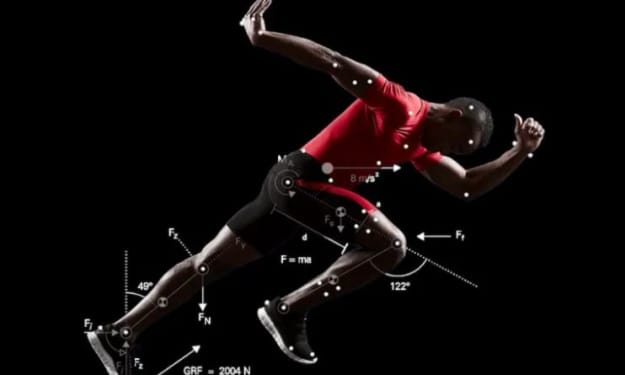
Master Biomechanics for Better Strength and Endurance
When it comes to fitness and performance, it’s not just about how much weight you lift or how fast you run—it’s about how you move. That’s where biomechanics comes in. Understanding the science of movement can help you train more efficiently, prevent injuries, and maximize your strength and endurance. Whether you’re an athlete or just looking to improve your fitness, biomechanics should be at the core of your training.
By john batista bocchino9 months ago in Longevity
Day 4 of Quitting
If this is how sobriety feels, maybe it’s better to go through life a little buzzed… this, along with other hits like, I want to kill myself, I wish I was dead, and I’m going to throw myself off a bridge have been the only thoughts on rotation these past few days. I promise myself that if, in a month, I still feel like this (‘this’ meaning despondent, full of rage, and simultaneously numb) I can go back to smoking. Until mid-February though? Nicotine is off the table.
By sleepy drafts17 days ago in Longevity
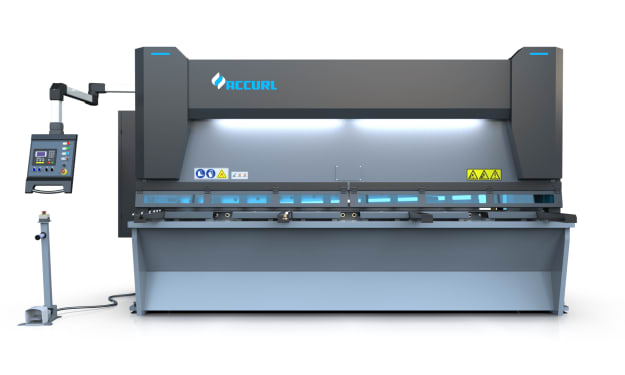
Is a Guillotine Machine Right for Your Business? Key Factors to Consider
Choosing the right cutting equipment is a critical decision for any fabrication, engineering, or manufacturing business. Whether you’re handling occasional sheet metal work or running high-volume production, the tools you use directly affect accuracy, efficiency, and profitability. One option many businesses consider is a guillotine machine, but is it the right fit for your operation?
By Axe Status5 days ago in Longevity


Comments