
Protein Powder Digestion: How Much Time Does It Take?
protein shake digestion time
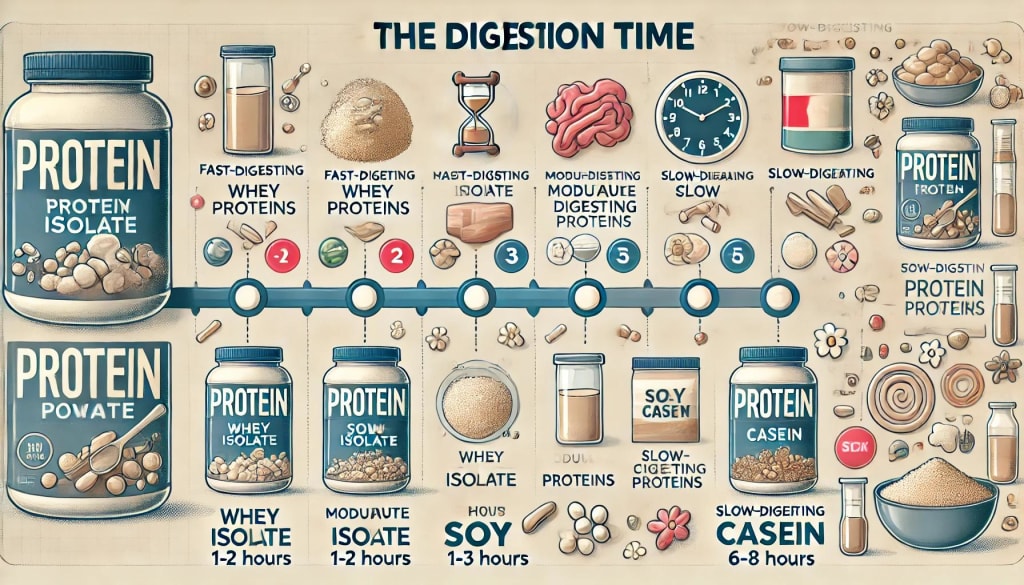
Protein powder is a convenient and effective way to meet daily protein needs, whether for muscle growth, recovery, or general health. However, digestion time varies depending How Much Time Protein Powder Takes to Digest on the type of protein, individual metabolism, and how the protein is consumed. Understanding digestion speeds can help optimize protein intake for better results.
Factors That Influence Protein Powder Digestion
Type of Protein
Different protein powders have different digestion speeds. Whey protein is digested quickly, whereas casein protein breaks down more slowly. Plant-based proeins vary in digestion rates based on their source and processing.
Individual Metabolism
Metabolic rate, enzyme production, gut health, and overall activity level play a role in how quickly the body digests and absorbs protein.
Liquid vs. Solid Consumption
Protein powders mixed with water or other liquids are digested faster than those blended with milk or consumed with solid foods. Liquids pass through the stomach quickly, speeding up digestion.
Presence of Other Nutrients
When protein is consumed alongside fats, fiber, or carbohydrates, digestion slows down as the body processes multiple macronutrients at once.
Digestion Time of Different Protein Powders
Whey Protein
Whey protein is one of the fastest-digesting protein sources, making it ideal for post-workout nutrition.
Whey Protein Concentrate
Whey concentrate contains some fats and lactose, which slightly slow digestion. It takes 2 to 3 hours to be fully digested.
Whey Protein Isolate
Whey isolate has most of the fats and lactose removed, allowing for faster digestion within 1 to 2 hours.
Whey Protein Hydrolysate
Hydrolyzed whey protein is pre-digested, meaning it has already been broken down into smaller peptides. It is the fastest option, digesting within 30 minutes to 1 hour.
Casein Protein
Casein forms a gel-like substance in the stomach, leading to slow digestion and a steady release of amino acids over time. It takes 6 to 8 hours to be fully digested, making it a great option before bed.
Plant-ased Protein Powders
Plant proteins digest at different rates depending on their source and level of processing.
Pea Protein
Pea protein is moderately fast-digesting, taking 3 to 4 hours to break down.
Soy Protein
Soy protein has a medium digestion rate, taking 3 to 6 hours for full absorption.
Rice and Hemp Protein
Rice and hemp proteins digest more slowly, usually taking 4 to 6 hours. These plant-based proteins are often combined to improve amino acid balance and digestion speed.
Egg White Protein
Egg white protein powder digests at a moderate pace, taking around 3 to 4 hours for full absorption.
How Digestion Speed Affects Muscle Growth and Recovery
Fast-Digesting Proteins for Post-Workout Recovery
After exercise, muscles require quick amino acid delivery for repair and growth. Whey protein isolate and How Much Time Protein Powder Takes to Digest hydrolysate are the best choices for post-workout consumption due to their rapid digestion.
Slow-Digesting Proteins for Sustained Amino Acid Release
Casein and some plant proteins provide a steady release of amino acids, helping prevent muscle breakdown over time. These proteins are beneficial before bed or during long fasting periods.
Optimizing Protein Timing
Consuming a mix of fast and slow-digesting proteins throughout the day ensures continuous amino acid availability, supporting muscle recovery, performance, and overall health.
How to Improve Protein Digestion
Choose High-Quality Protein
Protein powders with minimal additives and high bioavailability are easier to digest. Selecting high-quality whey, casein, or well-processed plant proteins enhances digestion and absorption.
Stay Hydrated
Water is essential for digestion. Staying hydrated helps break down protein and transport amino acids efficiently throughout the body.
Avoid Overloading the Digestive System
Consuming too much protein at one time can overwhelm digestion, leading to bloating and incomplete absorption. Spreading protein intake across multiple meals improves digestion and utilization.
Use Digestive Enzymes
For individuals with digestive issues, enzyme supplements containing protease or lactase (for dairy-based proteins) can aid in protein breakdown and absorption.
Conclusion
The time it takes to digest protein powder depends on the type of protein, individual metabolism, and how it is consumed. Whey protein digests the fastest, making it ideal for post-workout recovery, while casein and some plant-based proteins take longer, providing sustained amino acid release. Understanding digestion rates allows individuals to choose the best protein sources for their needs. By optimizing protein intake and digestion, individuals can maximize muscle growth, recovery, and overall health.
Read More:
https://prorganiq.com/blogs/new/protein-shake-digestion-time
About the Creator
Keep reading
More stories from Why Proteins Are Called Bodybuilding Food and writers in Longevity and other communities.
Top Natural Alternatives to Whey Protein
Whey protein has long been a staple for those looking to increase their protein intake, particularly in the fitness and health communities. Known for its fast absorption and complete amino acid profile, it has earned its reputation as a premium protein source. However, not everyone can or wants to consume whey protein—whether due to lactose intolerance, dairy allergies, ethical reasons, or personal preference.
By Why Proteins Are Called Bodybuilding Food11 months ago in Longevity
Day 4 of Quitting
If this is how sobriety feels, maybe it’s better to go through life a little buzzed… this, along with other hits like, I want to kill myself, I wish I was dead, and I’m going to throw myself off a bridge have been the only thoughts on rotation these past few days. I promise myself that if, in a month, I still feel like this (‘this’ meaning despondent, full of rage, and simultaneously numb) I can go back to smoking. Until mid-February though? Nicotine is off the table.
By sleepy drafts11 days ago in Longevity



Comments
There are no comments for this story
Be the first to respond and start the conversation.