
Overcoming Mycoplasma Resistance: Effective Treatment Strategies
Managing Mycoplasma Infection Resistance: Steps to Take


Mycoplasma is a microscopic organism capable of surviving outside of cells, and the clinical symptoms it causes can vary based on the site of infection. When Mycoplasma infects the genitourinary system, it can trigger a range of uncomfortable symptoms.
Symptoms in Men and Women
- Men: Men may notice mild redness and swelling at the urethral opening, along with a thin discharge and urethral irritation.
- Women: Women might experience abnormal vaginal discharge, abdominal pain, and in severe cases, Mycoplasma infection can lead to infertility.
However, what often causes greater concern is the situation where medication fails to alleviate these symptoms. Patients may begin to wonder why the medication isn’t working, what they can do next, and how they can recover as quickly as possible.
Understanding Drug Resistance
When antibiotics fail to treat the infection, it’s often due to drug resistance. This occurs when Mycoplasma develops resistance to certain antibiotics, making treatment more challenging. Drug resistance refers to the loss of a pathogen’s sensitivity to a specific antibiotic, rendering the medication ineffective. Clinically, antibiotic sensitivity is categorized into three levels:
- Sensitive: The antibiotic is most effective.
- Intermediate: The antibiotic shows moderate effectiveness.
- Resistant: The antibiotic is ineffective.
Causes of Drug Resistance
1. Overuse and Misuse of Antibiotics: One of the primary reasons for drug resistance is the overuse or improper use of antibiotics. Some patients self-medicate without a proper diagnosis or medical guidance, leading to resistance.
2. Non-compliance with Treatment: Another root cause is failing to complete the prescribed treatment. Bacteria that are not entirely eliminated may survive and develop stronger resistance.
3. Unique Characteristics of Mycoplasma: Mycoplasma naturally resists multiple drugs, making treatment more complex.
4. Individual Differences: Patients' immune system status and genetic background can also influence their sensitivity to antibiotics. Those with weakened immune systems or certain genetic factors may be more prone to developing resistance.
Managing Mycoplasma Infection Resistance
When faced with drug resistance in a Mycoplasma infection, a comprehensive approach is required. Here are several strategies to manage this condition:
1. Drug Sensitivity Testing: Due to the recurrent nature of the infection, it’s crucial to perform drug sensitivity testing to identify effective antibiotics. If resistance is found across all tested drugs, relatively resistant drugs may be used at higher doses. Additionally, maintaining proper hygiene and avoiding factors that contribute to resistance is essential during treatment.
2. Combination Antibiotic Therapy: When a single antibiotic fails, combining multiple antibiotics might be more effective. Different combinations can have a synergistic effect, enhancing the treatment outcome. Doctors will select the most suitable drug combination based on specific drug sensitivity test results, ensuring the dosage and duration are appropriate.
3. Natural Remedies: Traditional Chinese Medicine (TCM) offers natural therapies that may be effective in treating Mycoplasma infections. Herbal remedies like the Diuretic and Anti-inflammatory Pill, Fuyan Pill, and others have shown therapeutic effects. Doctors can tailor a personalized TCM regimen based on the patient's condition.
4. Auxiliary Measures: Alongside medication, auxiliary measures can significantly improve treatment outcomes:
- Maintain Hygiene: Proper genital hygiene is vital. Patients should clean the external genital area with warm water daily and avoid irritating chemicals.
- Boost Immunity: A strong immune system is key to fighting infections. A balanced diet, regular exercise, and adequate sleep can enhance immunity.
- Avoid Sexual Activity: Refrain from sexual activity during the infection to prevent worsening symptoms, spread of infection, and prolonged treatment time.
- Seek Psychological Support: Psychological issues like anxiety or depression may arise due to the infection. Seeking support from family, friends, or counselors can help alleviate emotional stress.
5. Personalized Treatment: Since each patient’s condition is unique, personalized treatment plans are necessary. Doctors will adjust the type of antibiotics, dosage, and duration of treatment or combine multiple therapies to ensure the best outcome.
6. Regular Follow-up and Monitoring: Regular follow-up appointments are essential for monitoring the treatment's effectiveness, detecting resistance changes, and ensuring complete clearance of the infection to prevent recurrence.
About the Creator
Jane Smith
Haha, just to share some health knowledge.
Keep reading
More stories from Jane Smith and writers in Longevity and other communities.
Can Interventional Therapy Effectively Treat Adenomyosis?
Adenomyosis is a common but often debilitating gynecological condition where the endometrial tissue, which typically lines the uterus, begins to grow into the muscle layer of the uterus (myometrium). This abnormal growth leads to symptoms such as prolonged menstrual periods, increased menstrual flow, and severe dysmenorrhea (painful menstruation). Women aged 35 to 45, particularly those who have had children, are most commonly affected, though it can also occur in younger women who haven't yet given birth.
By Jane Smith2 years ago in Longevity
The Porcelain Protocol: Engineering Perfection in the Middle Kingdom
In the shimmering high-rises of Chengdu and the bustling tech hubs of Shenzhen, a new kind of industrial revolution is taking place—one that isn't measured in steel output or software exports, but in the precise millimeters of a double-eyelid crease and the sharp angle of a "V-line" jaw. China has rapidly evolved into the world’s most sophisticated laboratory for cosmetic transformation. What was once a hushed medical necessity or a luxury for the cinematic elite has transformed into a standardized, multi-billion-dollar rite of passage for the modern Chinese woman. To understand this phenomenon is to peel back the layers of a society caught between ancient physiognomy and a hyper-competitive digital future.
By yusuf selho3 days ago in Longevity
Double Duty: Masters and Select Group of Paralympians Compete in Both Summer and Winter Games
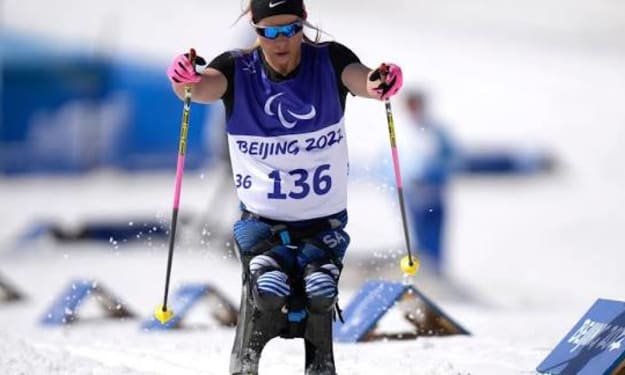
In the rarefied world of elite sport, competing at either the Summer or Winter Games represents the pinnacle of athletic achievement. Yet a remarkable handful of athletes — both Masters competitors and Paralympians — have defied seasonal boundaries to compete on both grand stages. Their stories are defined by extraordinary versatility, sheer determination, and a relentless pursuit of excellence across multiple disciplines. For most athletes, specialization is the norm. Training regimens, muscle memory, and competitive calendars are built around one sport and one set of conditions. But for a select group of competitors, the call of multiple seasons and disciplines proved irresistible. Masters Athletes: Age Is Just a Number Masters athletes — competitors typically over the age of 35 who continue to train and compete at elite levels — have long demonstrated that age does not signal athletic decline. But an increasingly visible subset of Masters competitors has taken things a step further: mastering two contrasting environments. Take the example of Brenda Lawson (USA), a 47‑year‑old who has carved a niche for herself in both track cycling and cross‑country skiing. For Lawson, the transition between Summer and Winter sports was not merely seasonal but philosophical. “I love pushing my body in every environment I can,” she says. “Summer cycling builds raw power; winter skiing refines endurance and technique. They complement each other in ways people don’t realize.” Lawson’s training cycle shifts with the calendar. Winter mornings find her striding through snowy trails before dawn, poles in hand and breath streaming in the cold air. Come spring, those same trails become the foundation for explosive leg strength on her racing bike. It’s a dual pursuit that keeps her in peak condition year‑round — and has earned her Masters World Championships medals in both disciplines. Paralympians Break the Seasonal Barrier For Paralympians, the challenge of mastering multiple sports is often layered with additional adaptive complexities. Yet several athletes have embraced these challenges, achieving success in both Summer and Winter Games. One standout example is Marcus Kwan (Canada), a visually impaired athlete who has competed in both wheelchair racing and para‑alpine skiing. Kwan’s sporting journey began on the velodrome, where he quickly excelled in sprint events. But an unexpected encounter with skiing during an adaptive sports clinic changed the trajectory of his career. “Skiing taught me to trust sensations beyond sight,” Kwan explains. “The speed, the focus, the absolute surrender to the moment — it all felt like an extension of what I love about racing.” Kwan’s training demands careful balancing. He juggles strength work, tactile sensory drills, and coordination exercises that serve both sports. Off‑season, he dives into skiing camps and hones his technique with a guide; warmer months bring wheelchair track training and road racing. His efforts culminated in Paralympic appearances in both disciplines — an achievement few athletes, regardless of ability, can claim. Crossover Training: A Scientific Edge Sports scientists observing this phenomenon note significant physiological and psychological benefits from multi‑discipline competition. Dr. Elena Torres, a performance specialist, emphasizes cross‑training’s role in longevity and injury prevention. “Athletes who engage in varied sports reduce repetitive strain while developing broader physical competencies,” Dr. Torres says. “Endurance athletes, for instance, gain explosive strength from sprinting disciplines, while power athletes improve stamina through sustained aerobic work. The result can be a more resilient, adaptable athlete.” There are mental benefits as well, she adds. “Seasonal shifts introduce novelty. That breaks monotony and can renew motivation — which is crucial for Masters and Paralympic athletes alike, many of whom train intensely over decades.” Redefining Athletic Boundaries These dual‑season athletes are pushing the boundaries of what is considered possible. Their journeys challenge long‑held assumptions about aging, adaptation, and the limitations imposed by categorical sport divisions. At competitions ranging from the Masters World Games to Paralympic Winter and Summer Games, the presence of these double‑duty athletes serves as inspiration. They remind us that athletic identity need not be confined to a single season, discipline, or life stage. As Brenda Lawson reflects, “Sport is a landscape, not a lane. If you’re curious and committed, there’s a whole terrain out there waiting to be explored.”
By Fiaz Ahmed 5 days ago in Longevity



Comments
There are no comments for this story
Be the first to respond and start the conversation.