
Nutrition Secrets: How Eating Right Can Boost Your Libido and Enhance Sexual Performance
Food for Thought: Exploring the Link Between Nutrition and a Fulfilling Sexual Life

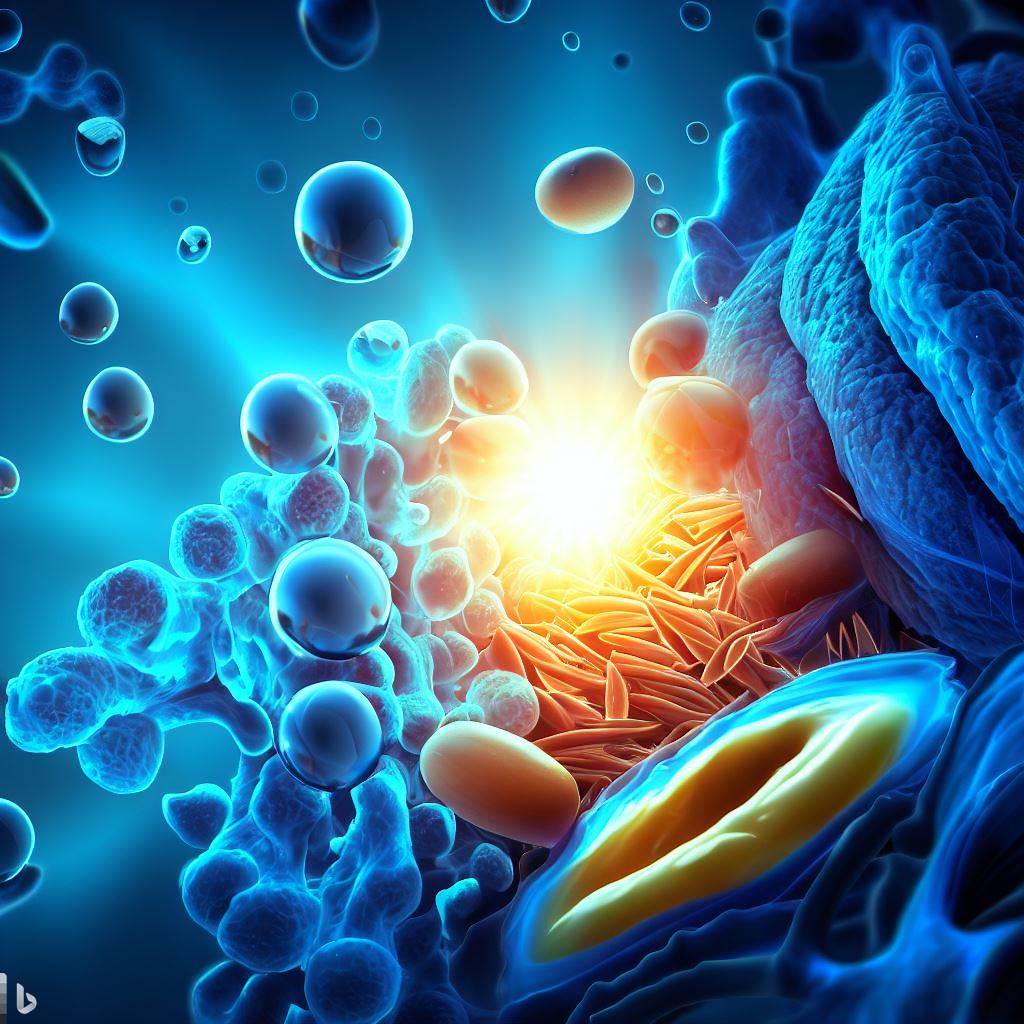
The relationship between nutrients and sexual health is significant and multifaceted. Proper nutrition plays a crucial role in supporting sexual health, including libido, fertility, and overall sexual function.
A diet rich in essential nutrients helps maintain healthy hormone levels, which are essential for sexual desire and performance. Zinc, vitamin E, and omega-3 fatty acids support the production of sex hormones such as testosterone, estrogen, and progesterone. Sufficient intake of these nutrients positively affects libido and sexual function.

Certain foods have been associated with reproductive health and fertility. Folic acid, found in leafy green vegetables and fortified grains, is vital for both male and female reproductive systems. It assists in genetic material production and supports healthy sperm and egg development. Additionally, antioxidants like vitamin C and selenium protect reproductive cells from damage caused by oxidative stress.
Maintaining an ideal body weight is also important for sexual health. Obesity can contribute to various sexual problems, including erectile dysfunction and reduced fertility. A balanced diet combined with regular physical activity helps manage weight and improve sexual function.
Cardiovascular health is closely linked to sexual health, just like body composition. Molecules that improve heart health, such as omega-3 fatty acids, L-arginine, and antioxidants, can enhance blood flow to the sexual organs, facilitating arousal and performance. On the other hand, poor cardiovascular health caused by unhealthy eating habits can lead to erectile dysfunction and other sexual issues.
Omega-3 fatty acids found in fatty fish, flaxseeds, and walnuts also support the maintenance of healthy blood flow, including the genital area. They promote blood vessel dilation, increase circulation by reducing inflammation, and improve sexual arousal and responsiveness. This increased blood flow can contribute to stronger and longer-lasting erections in men and heightened sensitivity in women.
Furthermore, omega-3 fatty acids have been associated with the production and regulation of sex hormones such as testosterone, estrogen, and progesterone. Adequate levels of these hormones are necessary for maintaining a healthy libido and sexual function.
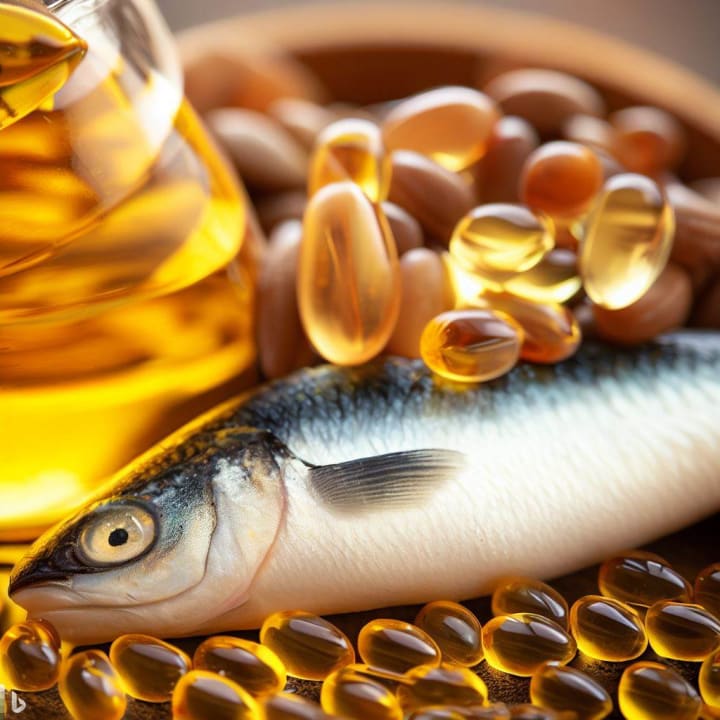
Considering mental health, omega-3 fatty acids have been linked to improved mood and mental well-being. Sexual health is closely related to mental and emotional states, and factors like stress, anxiety, and depression can negatively affect sexual function. Omega-3s have shown to support brain health, reduce depressive symptoms, and positively influence sexual desire and satisfaction.
Sexual pleasure and satisfaction heavily rely on healthy nerve function. Vitamin E plays a role in maintaining the integrity of nerve cells and protecting them from damage. By preserving nerve health, vitamin E may enhance sexual sensitivity and response, contributing to a more enjoyable sexual experience.
Vitamin E is a potent antioxidant known for its ability to protect cells from oxidative damage caused by free radicals. These free radicals can negatively affect sexual health by damaging cells and reducing blood flow. Vitamin E neutralizes free radicals, helps maintain healthy blood circulation, and ensures optimal sexual function.
Vitamin E has also been found to assist in balancing hormone levels by supporting the production and utilization of various hormones. It has been associated with improved sperm motility and reduced oxidative stress in the reproductive system. In women, its antioxidant properties support uterine health and create a favorable environment for conception.
Another important nutrient for sexual health is zinc, which is involved in various processes related to reproductive function and sexual performance. Zinc is necessary for the production of sex hormones in both men and women. In men, it is crucial for spermatogenesis, the process of sperm production, and plays a vital role in the development and maturation of sperm cells. Inadequate zinc levels can lead to a decrease in sperm count, impaired sperm motility, and abnormal sperm morphology that can negatively impact male fertility.
Zinc has also been associated with the regulation of prostate health in men and helps maintain the size and function of the prostate gland. Ade quate zinc levels contribute to reducing the risk of prostate-related issues such as benign prostatic hyperplasia (BPH), which can affect urination and sexual function.
In conclusion, maintaining a balanced diet that provides essential nutrients is crucial for optimal sexual health. Nutrients play a significant role in hormone production, fertility, circulation improvement, nerve function support, and mental well-being. Individuals who obtain sufficient amounts of the necessary nutrients for sexual health can enhance their libido, reproductive health, and sexual performance, ultimately contributing to a satisfying and healthy sexual life. It is important to remember that each individual has unique bodily needs, and consulting with a healthcare professional regarding nutrition is essential.
About the Creator
Keep reading
More stories from Prof Dr Barış Öztürk and writers in Longevity and other communities.
The MIND Diet: The Delicious Path to a Healthier Brain and Body
The MIND diet, short for Mediterranean-DASH Diet Intervention for Neurodegenerative Delay, is a diet specifically designed to promote brain health and potentially reduce the risk of neurodegenerative diseases such as Alzheimer's. Besides its brain health benefits, the MIND diet has also attracted attention for its potential to aid weight loss.
By Prof Dr Barış Öztürk3 years ago in Longevity
How Trackless Mining Equipment Suppliers in China Operate in 2026
When searching for reliable trackless mining equipment manufacturers in China, the options get overwhelming fast. You jump on a supplier portal and suddenly see thousands of identical looking machines. Buying heavy machinery for a mine is not like ordering basic office supplies. If a loader breaks down three miles underground, the whole production schedule stops immediately. The financial hit is massive. Finding the right factory matters a lot more than just getting a cheap price tag on a shiny new vehicle.
By CEO A&S Developers2 days ago in Longevity
A Transparent Look at Vocal Challenges and Top Stories
Almost three years ago, we shared a resource article that served as a place for people to suggest new challenge prompts. We thought it would be a good idea to refresh that thread, and take the opportunity to answer a few common questions about top stories, how challenges are judged and how submissions are reviewed.
By Vocal Curation Team3 days ago in Resources




Comments
There are no comments for this story
Be the first to respond and start the conversation.