
Not Doing Sober October? Here’s How A Month Without Alcohol Can Transform Your Health and Well-Being
What happens to your body when you commit to 31 days of not drinking, and tips to succeed.


More and more people today are reevaluating their relationship with alcohol, leaning toward mindful drinking and making more conscious choices in situations where they would normally drink, like dining out, attending social events, or unwinding after a stressful day. This growing trend has been dubbed the “sober curious” movement.
Whether you’re feeling curious yourself, looking for a reason to cut back temporarily to observe the impact, or seeking to moderate your drinking habits as part of a larger shift toward a healthier lifestyle, trying a dry month could be a great starting point. If you need a challenge to stay motivated, the good news is that Dry January is no longer the only option—Sober October offers another opportunity to dedicate yourself to an alcohol-free month.
Even when approached as a short-term experiment, here’s exactly how going alcohol-free for 31 consecutive days may benefit you. Spoiler: the perks go beyond avoiding hangovers and the anxiety that often accompanies them. Many participants report not only feeling significantly more clear-headed but experiencing several other positive changes in their physical and mental well-being.
What Positive Health Changes Can One Month of Sobriety Bring?
More Restful Sleep and Increased Energy
While some may experience insomnia or disturbed sleep during the initial withdrawal period, quitting alcohol leads to more restorative sleep over time. Alcohol disrupts the sleep cycles, especially if consumed within three hours of bedtime, making you feel groggy and unrested in the morning. After giving up, you’ll spend more time in deeper stages of sleep, which will help improve the quality of your rest and boost your daytime energy levels.
Improved Mental Clarity
Alcohol suppresses the central nervous system, resulting in blurry vision, slurred speech, and poor coordination shortly after you’ve indulged in too many drinks. It affects the hippocampus, the brain region responsible for memory and learning, causing it to shrink over time and leading to impaired cognitive function. By quitting alcohol, you reduce brain inflammation and experience sharper mental clarity, improved memory, and better focus, as your brainpower is no longer drained.
Reduced Stress and Improved Emotional Balance
Although alcohol initially boosts the feel-good chemical dopamine levels, it eventually depletes them, leading to increased anxiety and depression as the effects wear off. Besides, excessive alcohol use increases levels of the stress hormone cortisol. Quitting drinking allows the brain to restore its natural neurotransmitter balance, improving emotional regulation, impulse control, mood stability, and your overall psychological well-being.
Strengthened Immune System
Alcohol consumption weakens the immune system by impairing white blood cells, which play a critical role in fighting bacteria and viruses. According to the National Institute on Alcohol Abuse and Alcoholism, even one instance of heavy drinking suppresses your immune response for up to 24 hours. When you abstain from drinking, your immune system strengthens. It works more efficiently, reducing your chances of falling sick and helping you recover faster from infections like colds, the flu, and other illnesses.
Healthier, More Glowing Skin
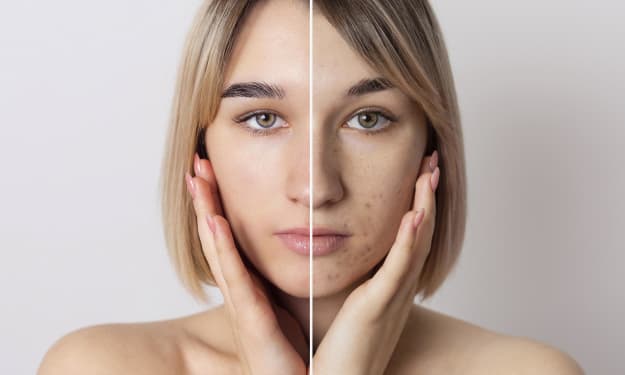
Alcohol drastically dehydrates the skin and provokes collagen breakdown, leading to dullness and premature aging. It also provokes puffiness, redness, and inflammation, resulting in dysmorphic facial features and exacerbated symptoms of acne, rosacea, and eczema. By excluding alcohol, you improve your skin’s hydration levels and restorative capacity, enhancing its elasticity, clearness, and smoothness and allowing it to regain a natural glow and a younger look.
Weight Loss and Better Metabolism
Refusing from alcohol can significantly aid in weight loss and weight management. Not only does alcohol itself add a lot of empty calories to your diet, but it also stimulates appetite, triggers cravings for unhealthy foods, and leads to overeating as it interferes with leptin, the hormone that signals fullness. Besides, metabolizing alcohol is the body’s priority as it aims to get rid of harmful toxins as soon as possible. By cutting out alcohol, you enable your body to focus on burning fat. The improved sleep quality that comes with sobriety further supports weight loss by regulating hunger hormones and boosting metabolism.
How to Stick to a "Month of Sobriety" Challenge?
Set the Right Mindset
Approaching sobriety can be similar to dieting—the more you tell yourself you “can’t” have something, the more you may want it. Instead of focusing on “never drinking again,” stay in the present and observe how you feel physically and emotionally as the days of not drinking add up. Notice any changes in mood, energy, or overall well-being. You can decide later whether or not to return to your previous drinking habits, but for now, embrace the experience day by day.
Keep a Sobriety Journal
Journaling your thoughts, feelings, and experiences helps you stay intentional about your sobriety experiment. It will help you better understand your relationship with alcohol and identify any patterns you may have, such as drinking out of habit, social pressure, or because life seems less enjoyable without a “happy hour”. By documenting your sobriety journey, you can reflect on how your thoughts and emotions evolve throughout the month, gaining valuable insights and noticing progress more clearly.
Use a Sobriety App to Stay on Track
There are numerous mobile apps catering to different alcohol-related goals that can support you throughout the sobriety challenge. For example, SoberMe is a multifunctional solution that allows convenient goal setting and tracking and provides a digital sobriety diary. The app also has helpful distraction features like short games to help you refocus when cravings hit and motivational features like daily inspiration and a “time capsule” so you can create a message to your future self. Coach.me connects you with virtual coaches to help set and achieve your goals, as well as the supportive community to share dares and achievements. If you realize you struggle to abstain, Twenty-Four Hours a Day, an app based on a self-help book by Richmond Walker, provides daily encouraging reads and mindfulness meditations.
Find a Companion for Support
Pushing through the challenge with a friend or family member can greatly boost your chances of success. Having someone to share the experience with offers mutual support and encouragement when needed while also providing an opportunity for open and insightful discussions and new perspectives on alcohol use.

Explore Non-Alcoholic Alternatives
The ongoing rise of non-alcoholic beverages makes it easier than ever to enjoy your favorite drinks without the alcohol. Whether it’s non-alcoholic wines, beers, mocktails, or spritzes, having an alternative, booze-free refreshment on hand can help you stay committed, especially in social situations where drinking is the norm.
Discover New Ways to Unwind
If you’re used to reaching for a drink to relax after a long day or as you’re going through an uncomfortable situation, try to develop a new coping mechanism and explore other ways to de-stress that don’t involve sipping on an alcoholic beverage. Practices like meditation, yoga, walking, or reading can offer healthy alternatives to help you calm down and combat whatever triggers your desire to drink.
Engage in Activities You Love
Fill your time with activities that bring you joy without turning to alcohol. Whether pursuing a creative hobby, spending time in nature, playing your favorite sports games, or trying something new, these occupations can provide a productive and satisfying distraction, making it easier to abstain from drinking for fun while promoting a more fulfilling life.
Try Sober Socializing and Plan Ahead for Alcohol-Inclusive Events
Certain pastimes, such as happy hours, sporting events, and parties, are centered around alcohol, inducing the temptations to drink. Try to engage in social activities that don’t revolve around drinking, such as coffee meet-ups, outdoor adventures, or movie nights. If you’re still attending an event where alcohol will be present, decide ahead of your arrival what you’ll drink—whether it’s sparkling water, a mocktail, or something else non-alcoholic—to make it easier to stick to your goals.
Don’t Be Too Hard on Yourself
If you slip up and have a drink during your sobriety challenge, don’t let it derail your progress. Remember, it’s not about perfection, as health is rarely all or nothing. Even just reducing your alcohol intake still brings significant health benefits. Learn from the experience, reset, and move on without shame or guilt.
Takeaway
A month of sobriety, like Sober October, doesn’t mean you’re committing to quitting alcohol forever. It’s a chance to become more thoughtful in your decisions around drinking, explore healthier alternatives, and reap the benefits of abstinence, even if only for a short period. Whether it’s physical health improvements or gaining mental clarity, taking a break from alcohol can open up new insights into your relationship with drinking and show that there are other fulfilling ways to meet your needs.
About the Creator
Ana Chur
Holistic health advocate and wellness writer
The Invisible Full-Time Job: Living With Chronic Pain While Trying to Keep Life Together
Most people think of a job as something you clock in and out of. A defined place where effort produces results. But when you live with chronic pain, you are working a second job every day—one that no one can see.
By Navigating the World4 days ago in Longevity


Comments
There are no comments for this story
Be the first to respond and start the conversation.