
North America Protein Market Trends & Summary (2025–2033)
How Health Culture, Functional Foods, and Sustainability Are Shaping the Region’s Protein Future


The North America Protein market is on a strong upward trajectory, projected to reach US$ 11.05 billion by 2033, up from US$ 7.63 billion in 2024, according to Renub Research. This represents a CAGR of 4.22% from 2025 to 2033 — a rate that underscores the region’s rapidly evolving consumer preferences, rising health consciousness, and steady structural innovations within the food and nutrition sectors.
At the heart of this transformation is a broadened understanding of protein’s role in health, the proliferation of new food technologies, and a societal pivot toward clean-label and sustainable consumption. Whether animal-based, plant-based, or microbial, protein sources across North America are experiencing both diversification and premiumization.
North America Protein Market: Industry Overview
North America’s protein industry has expanded rapidly in recent years, driven by a powerful intersection of consumer desire for nutrient-rich food, evolving dietary lifestyles, and advances in protein processing. The region’s appetite spans both traditional animal proteins — dairy, poultry, beef, fish — and booming plant-based segments such as soy, pea, hemp, rice, and wheat protein.
A substantial share of consumers now views protein as indispensable for muscle repair, metabolic health, and weight management. This awareness has helped fuel the rise of functional foods, protein-enriched snacks, and ready-to-drink (RTD) protein beverages that blend convenience with nutritional value.
Simultaneously, food technology innovations — including superior protein isolates, improved flavor systems, and refined texturization for plant-based meat alternatives — are reshaping product development across the region. As consumers gravitate toward clean, transparent nutrition, advances in ingredient solubility, digestibility, and formulation are becoming critical competitive differentiators.
The increasing appeal of alternative proteins also reflects North America’s heightened focus on sustainability. Environmental concerns, particularly around intensive animal agriculture, are driving stronger interest in plant-based and microbial proteins, alongside exploratory concepts like insect protein and cultivated meat.
The market now integrates a wide mosaic of protein applications — from baked goods and dairy alternatives to sports nutrition, infant formula, elderly care products, and cosmetics — highlighting the sector’s escalating value and versatility.
Innovation and Industry Shifts
Technological innovation continues to underpin the protein market’s evolution. Companies are aggressively investing in R&D to enhance protein functionality, improve sensory experience, and expand application profiles.
A notable milestone came in 2024, when Roquette launched NUTRALYS® Fava S900M, a cutting-edge fava bean protein isolate that broadened the landscape of clean-label plant proteins. This innovation aligns with growing demand for sustainable alternatives that deliver neutral taste, smooth texture, and high nutritional value.
Similarly, Arla Foods Ingredients achieved FDA approval for whey protein hydrolysates in infant formula applications — an important step in fortifying early nutrition solutions with highly digestible, premium protein constituents.
Industry collaboration is also gaining traction. In 2024, Protein Industries Canada, along with Roquette, Prairie Fava, BioNeutra, and Plant Up, invested strategically in enhancing protein extraction efficiency and developing new protein ingredients. These efforts are not only aimed at improving sustainability but also strengthening North America’s dominance in global protein supply.
The animal feed sector mirrors this momentum. North America produced 261 million tons of compound feed in 2022 — nearly 21% of global production — underscoring its central role in supporting the protein supply chain.
Growth Drivers of the North America Protein Market
1. Health and Wellness Revolution
Protein’s rise as a cornerstone of modern nutrition is one of the market’s most influential drivers. Consumers now proactively seek high-protein foods to optimize:
Muscle repair
Weight management
Metabolic balance
Satiety and long-lasting energy
This is evident in the rapid expansion of protein-enhanced snacks, fortified beverages, and meal-replacement products that offer functional benefits without compromising convenience. As public awareness of macronutrient balance deepens, demand for both animal and plant-based protein continues to climb.
2. Growing Fitness and Sports Culture
The fitness movement sweeping North America has propelled protein supplements into mainstream consumption. Gym-goers, athletes, and active individuals increasingly rely on:
Protein powders
High-protein bars
RTD shakes
Recovery formulations
Convenience is central, driving consumers toward portable and fast-absorbing sources of protein. This cultural shift has expanded the market far beyond specialized fitness circles, making protein supplementation a part of everyday dietary behavior.
3. Rise of Plant-Based Diets
Plant-forward eating is no longer a trend — it’s a dominant lifestyle choice. Motivated by environmental sustainability, animal welfare, and personal health considerations, millions are adopting vegetarian, vegan, and flexitarian diets.
This shift has dramatically heightened demand for:
Soy, pea, hemp, rice, potato, and wheat proteins
Plant-based meat alternatives
Dairy-free products
Protein-rich vegan snacks
With plant proteins offering lower environmental impact and strong nutritional credentials, they represent one of the fastest-growing subsegments of the North American market.
Key Challenges Facing the Market
1. High Competitive Pressure
With numerous players offering both animal and plant-based proteins, the market is intensely competitive. Established global brands compete with innovative start-ups, each striving for differentiation through:
Superior flavor
Enhanced texture
Novel formulations
Clean-label claims
Sustainable sourcing
This competitive intensity requires heavy investment in marketing, R&D, and brand positioning — particularly as consumers become more discerning.
2. Price Sensitivity
Despite growing consumer demand for healthier products, cost remains a significant barrier. Many plant-based proteins and premium supplements are priced higher due to:
Elevated production costs
Specialized processing methods
Premium organic or non-GMO sourcing
Budget-conscious consumers often revert to lower-cost protein sources, including traditional dairy and legumes. This dynamic can hinder market penetration for newer, premium-priced alternatives.
North America Protein Market Overview by Region
United States
The U.S. protein market is the region’s powerhouse, fueled by:
Expanding fitness culture
Rising health consciousness
Strong demand for both plant-based and animal protein
Widespread innovation in RTD beverages, supplements, and snacks
The U.S. is also the world’s largest producer of chicken meat, contributing 20% of global output in 2023. Federal initiatives, including the Biden–Harris Administration’s Action Plan to enhance supply chain resilience, further support the meat and poultry industry.
The USDA’s US$ 32 million in grants to expand meat processing capacity highlights continued investment in the protein ecosystem.
Canada
Canada’s protein market is expanding rapidly due to rising interest in:
Balanced nutrition
Functional foods
Fitness and sports supplementation
Plant-based protein sources
The country is a key hub for pea, hemp, and soy protein innovation, bolstered by consumer adoption of vegetarian, vegan, and flexitarian diets. Sustainability-focused initiatives continue to strengthen Canada’s position as a leader in alternative protein development.
Mexico
Mexico’s protein market reflects a blend of traditional preferences and modern health trends. While chicken, beef, and dairy dominate consumption, plant-based proteins are gaining momentum thanks to:
Growing fitness culture
Increased awareness of environmentally conscious eating
Rising popularity of protein shakes, bars, and fortified foods
Younger consumers, in particular, are accelerating the shift toward diverse protein sources.
North America Protein Market Segmentation
By Source
1. Animal Protein
Casein & Caseinates
Collagen
Egg Protein
Gelatin
Insect Protein
Milk Protein
Whey Protein
Other Animal Proteins
2. Microbial Protein
Algae Protein
Mycoprotein
3. Plant Protein
Hemp Protein
Pea Protein
Potato Protein
Rice Protein
Soy Protein
Wheat Protein
Other Plant Proteins
By End User
Animal Feed
Food & Beverages
Bakery
Beverages
Breakfast Cereals
Condiments/Sauces
Confectionery
Dairy & Dairy Alternatives
Meat and Meat Alternatives
RTE/RTC Meals
Snacks
Personal Care & Cosmetics
Supplements
Baby & Infant Nutrition
Elderly + Medical Nutrition
Sports/Performance Nutrition
Countries Covered
United States
Canada
Mexico
Rest of North America
Company Analysis
Major players shaping the North America Protein landscape include:
General Mills Inc.
Jamieson Wellness Inc.
Kellogg Company
Mars Incorporated
Mondelēz International Inc.
PepsiCo Inc.
Simply Good Foods Co.
The Hershey Company
Vorlo Inc.
These companies continue to diversify portfolios with innovative protein-fortified foods, healthier snack alternatives, and cleaner plant-based formulations.
Final Thoughts
The North America Protein Market is entering a transformative decade. As consumers turn toward healthier, more sustainable lifestyles, the demand for premium, functional, and innovative protein sources is poised to grow stronger. Whether driven by fitness culture, plant-based diets, or nutritional awareness, protein has become a central element of everyday eating habits.
With ongoing technological advancements, evolving dietary trends, and increased investment in sustainable protein production, the region’s market is expected to flourish — ultimately reshaping how North Americans engage with nutrition, wellness, and food innovation.
About the Creator
Renub Research
Renub Research is a Market Research and Consulting Company. We have more than 15 years of experience especially in international Business-to-Business Researches, Surveys and Consulting. Call Us : +1-478-202-3244
Keep reading
More stories from Renub Research and writers in Longevity and other communities.
Dental Implant Market Trends & Summary
The global dental implants market is experiencing strong momentum as rising oral health awareness, aesthetic dentistry trends, and technological breakthroughs reshape modern dental care. According to Renub Research, the global dental implants market is projected to reach US$ 8.45 billion by 2033, growing from US$ 4.53 billion in 2024 at a CAGR of 7.16% (2024–2033). This remarkable expansion reflects the rising need for permanent tooth replacement solutions and the growing preference for implants over conventional dentures worldwide.
By Renub Researchabout a month ago in Longevity
Day 4 of Quitting
If this is how sobriety feels, maybe it’s better to go through life a little buzzed… this, along with other hits like, I want to kill myself, I wish I was dead, and I’m going to throw myself off a bridge have been the only thoughts on rotation these past few days. I promise myself that if, in a month, I still feel like this (‘this’ meaning despondent, full of rage, and simultaneously numb) I can go back to smoking. Until mid-February though? Nicotine is off the table.
By sleepy drafts10 days ago in Longevity
United States Active Pharmaceutical Ingredients Market Size and Forecast 2025–2033
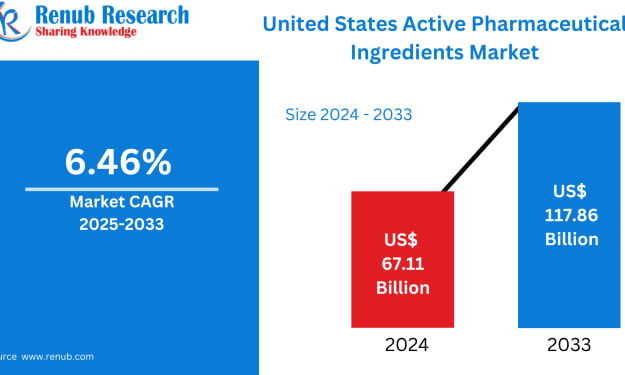
United States Active Pharmaceutical Ingredients Market The U.S. Active Pharmaceutical Ingredients (API) Market is anticipated to grow from US$ 67.11 billion in 2024 to US$ 117.86 billion in 2033, registering a CAGR of 6.46% during 2025–2033. This robust expansion is fueled by the rising demand for both branded and generic drugs, the increasing burden of chronic diseases, and rapid innovation in biopharmaceutical research. As the backbone of every therapeutic product, APIs are becoming increasingly strategic to healthcare security, drug affordability, and pharmaceutical competitiveness in the United States.
By jaiklin Fanandish2 days ago in Longevity
Miss Persephone's Manual to a Seemingly Ordinary Life
Miss Persephone was found at the dining table, her blue eyes swollen, her tears arriving and retreating like the tides of the ocean. Earlier that day, her family had visited her in the retirement home where she had lived for eight years. It was her eightieth birthday.
By Imola Tótha day ago in Fiction



Comments
There are no comments for this story
Be the first to respond and start the conversation.