
New Rules for Botox and Brazilian Butt Lifts Backed by MSPs
Lawmakers move to tighten regulation of cosmetic procedures amid growing safety concerns Proposed reforms aim to protect patients from unqualified practitioners Stricter licensing and advertising controls planned for booming aesthetics industry MSPs back patient safety drive after rise in cosmetic treatment complications Cosmetic clinics face tougher oversight under new government proposals

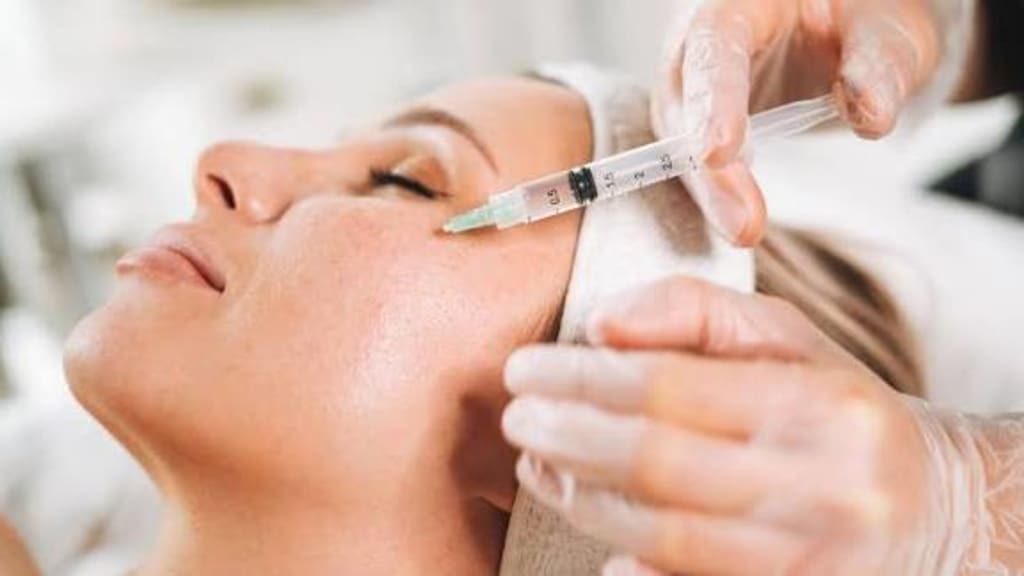
New regulations aimed at tightening control over cosmetic procedures such as Botox injections and Brazilian Butt Lifts (BBLs) have been backed by Members of the Scottish Parliament (MSPs), marking a major shift in how the booming aesthetic treatment industry will be regulated. The move follows growing concern over patient safety, unqualified practitioners, and a rise in serious complications linked to cosmetic interventions.
The proposed rules would introduce stricter licensing requirements, tougher enforcement powers, and clearer standards for clinics offering non-surgical and surgical cosmetic treatments. MSPs from across party lines have voiced support for the measures, arguing that public health must come before profit in an industry that has expanded rapidly with little oversight.
Rising Popularity, Rising Risks
Cosmetic treatments such as Botox, dermal fillers, and BBLs have surged in popularity over the past decade, driven largely by social media trends and celebrity influence. While Botox and fillers are often marketed as quick and low-risk procedures, health authorities warn that they can carry serious medical risks when performed by untrained or poorly regulated providers.
Brazilian Butt Lifts, which involve transferring fat from one part of the body to the buttocks, are considered one of the most dangerous cosmetic surgeries worldwide. International studies have linked BBLs to higher mortality rates than most other elective cosmetic procedures, primarily due to the risk of fat embolism and infection.
Scottish health officials say the lack of consistent regulation has allowed some clinics and beauty salons to offer treatments without appropriate medical supervision, putting patients at risk of permanent injury or even death.
What the New Rules Would Do
Under the proposed framework, all providers of cosmetic procedures would need to be licensed and inspected by a national regulator. This would include clinics offering injectables such as Botox and fillers, as well as facilities performing more invasive procedures like BBLs.
The rules would require:
Practitioners to meet minimum training and qualification standards
Clinics to follow strict hygiene and safety protocols
Clear consent procedures and cooling-off periods before major treatments
Mandatory reporting of complications and adverse outcomes
Advertising would also come under closer scrutiny. Promotions targeting young people or presenting cosmetic treatments as “risk-free” could be restricted or banned.
MSPs supporting the proposals argue that regulation will bring the cosmetic sector in line with other healthcare services, ensuring accountability and transparency.
Support From Medical Community
Doctors and patient safety groups have welcomed the move, saying it is long overdue. Medical professionals have repeatedly raised concerns that procedures involving needles, anesthetics, and surgery should not be treated like beauty services.
One senior health expert told lawmakers that patients often arrive at hospitals with infections, nerve damage, or vascular complications after receiving treatments from unlicensed providers. In some cases, corrective surgery is required, placing additional strain on the public healthcare system.
The British Association of Plastic, Reconstructive and Aesthetic Surgeons has also called for stronger regulation of BBLs, warning that the procedure should only be performed in properly equipped hospitals by trained surgeons.
Public Awareness and Consent
Another key element of the proposed rules is improving informed consent. Patients would be required to receive clear information about risks, recovery time, and possible complications before undergoing treatment. Cooling-off periods would prevent people from making impulsive decisions, especially for high-risk surgeries like BBLs.
Campaigners say this is particularly important for young adults who may feel pressure from social media beauty standards. By slowing down the decision-making process, regulators hope to reduce cases of regret and harm.
There are also plans to strengthen complaint systems, giving patients clearer routes to report unsafe practices or malpractice.
Industry Reaction
While many reputable clinics have welcomed the proposals, some businesses have expressed concern about the cost and complexity of compliance. Smaller operators worry that licensing fees and inspection requirements could force them to close or raise prices for customers.
However, supporters of the reforms argue that responsible providers should already be meeting high standards and that regulation will help eliminate rogue operators who undercut prices by ignoring safety rules.
Consumer groups say that higher costs may be justified if they lead to safer outcomes and fewer medical emergencies.
Political Backing
The proposals have received broad backing from MSPs, reflecting a growing consensus that cosmetic treatments should be treated as healthcare services rather than lifestyle products. Several lawmakers cited constituent cases involving disfigurement and long-term health damage as evidence of the need for reform.
One MSP described the situation as “a Wild West of cosmetic practice” and said the new rules would bring much-needed order to a largely unregulated market.
The Scottish Government is now expected to move forward with legislation that would give regulators the authority to inspect clinics, issue fines, and shut down unsafe operations.
Looking Ahead
If approved, the new rules could make Scotland one of the most tightly regulated regions in the UK for cosmetic procedures. Advocates believe this will set a precedent for other parts of the country to follow.
Health officials stress that the goal is not to ban cosmetic treatments but to make them safer and more transparent. With demand for Botox and BBLs continuing to grow, regulators say action is necessary to prevent avoidable harm and restore public confidence in the industry.
Conclusion
The backing of new rules for Botox and Brazilian Butt Lifts by MSPs represents a significant step toward safeguarding patients in a rapidly expanding cosmetic market. By introducing licensing, inspections, and stricter advertising standards, lawmakers hope to reduce risks and ensure that beauty treatments are delivered responsibly.
As legislation moves forward, the focus will be on balancing consumer choice with public safety—ensuring that those seeking cosmetic enhancements can do so without putting their health in danger.
About the Creator
Fiaz Ahmed
I am Fiaz Ahmed. I am a passionate writer. I love covering trending topics and breaking news. With a sharp eye for what’s happening around the world, and crafts timely and engaging stories that keep readers informed and updated.
Keep reading
More stories from Fiaz Ahmed and writers in Longevity and other communities.
Keep That Winter Jacket Handy, Another Polar Vortex is Coming
As the winter months continue to tighten their grip, meteorologists are issuing a fresh warning for North America: another polar vortex is on its way, bringing with it an intense blast of cold air that could cause significant disruptions. This latest wave of Arctic air will likely extend its reach across much of the United States and Canada, ushering in dangerously low temperatures, potential power outages, and treacherous travel conditions. For many, the polar vortex is more than just an inconvenience—it’s a reminder that winter is far from over. What is a Polar Vortex? The term "polar vortex" has become a buzzword in recent years, but for those unfamiliar, it refers to a massive area of cold, dense air that typically resides in the stratosphere over the Arctic. During certain conditions, the vortex can break free from its usual position, spilling cold air southward toward lower latitudes. This surge of Arctic air causes dramatic drops in temperatures and can result in extreme weather events, including snowstorms, ice storms, and widespread cold spells. While the polar vortex is a natural atmospheric phenomenon, its increased frequency and intensity in recent years have raised concerns among climate scientists. Some studies suggest that climate change may be playing a role in weakening the polar vortex, leading to more erratic and intense weather patterns. The Impact of the Upcoming Polar Vortex The latest polar vortex is expected to hit parts of the U.S. and Canada in the coming days, with the brunt of the cold air descending on the Midwest, Great Plains, and Northeast. Experts predict that temperatures could plunge to record lows, with some areas experiencing wind chills that make it feel like 30°F below zero or colder. For regions already reeling from previous winter storms, this new round of frigid weather will add another layer of strain. Meteorologists warn that the cold air will have the potential to disrupt daily life, from travel delays to power grid strain and even health risks. The cold snap is expected to arrive with little warning, catching many unprepared for the intensity of the chill. Health Risks: Staying Safe in Extreme Cold While some may enjoy the winter season and the snow it brings, the bitter cold of a polar vortex can be dangerous, especially for vulnerable populations. Health experts are advising residents of affected areas to take extra precautions when venturing outdoors. Frostbite and hypothermia are serious concerns during extreme cold spells. Frostbite occurs when skin and tissue freeze due to prolonged exposure to low temperatures, while hypothermia happens when the body loses heat faster than it can produce it, causing the body temperature to drop to dangerously low levels. "The risk of frostbite increases significantly when wind chills fall below -15°F, especially if people are not properly dressed," said Dr. Lisa Thompson, a public health official. "We urge people to limit their time outdoors, wear layers of warm clothing, and cover exposed skin as much as possible. If you must go out, take breaks indoors to warm up." Additionally, the cold temperatures pose a particular risk to the elderly and those with pre-existing health conditions, such as heart disease and respiratory issues. Cold weather can put additional strain on the heart and lungs, exacerbating underlying medical conditions. It's also essential to keep an eye on your neighbors, especially the elderly and those without access to heat, to ensure they remain safe during the cold snap. Power Outages and Infrastructure Stress Another consequence of a polar vortex is the strain it places on the power grid. As temperatures plummet, the demand for heating spikes, which can lead to power outages and disruptions in service. In regions where the power grid is already aging or underfunded, the added pressure can cause widespread blackouts. Utility companies in affected regions are bracing for increased demand, and some are warning customers to prepare for the possibility of rolling blackouts to prevent the grid from becoming overloaded. The combination of high electricity usage and potentially icy conditions on power lines makes it challenging for utility crews to quickly restore power in the event of an outage. In addition to power grid concerns, the extreme cold can affect transportation infrastructure. Icy roads and snow accumulation could make driving hazardous, especially in areas where road crews are not equipped to handle such severe weather. Travelers are advised to monitor local weather reports, avoid unnecessary travel, and have emergency kits ready in their vehicles in case of delays or accidents. Preparing for the Polar Vortex With the threat of another polar vortex looming, it’s important for individuals and communities to prepare in advance. Here are some essential tips to help mitigate the risks associated with extreme cold: Dress Appropriately: Layering is key to staying warm. Wear moisture-wicking clothing, followed by insulating layers, and finish with a waterproof outer layer. Don't forget to cover your extremities—hats, gloves, and scarves are essential. Check Your Heating System: Ensure your heating system is functioning properly before the cold arrives. Replace furnace filters, check insulation, and seal any drafts around windows and doors. Stock Up on Essentials: If a snowstorm or cold snap is expected, consider stocking up on food, water, medications, and other necessities in case of a power outage or travel disruptions. Stay Informed: Keep a close watch on weather forecasts and updates from local authorities. Sign up for emergency alerts, especially if you're in an area prone to extreme winter weather. Prepare Your Car: If you must travel, ensure your vehicle is winter-ready. This includes checking tire pressure, ensuring your car has antifreeze, and keeping an emergency kit with blankets, non-perishable food, and a flashlight. Help Vulnerable Neighbors: Reach out to elderly or disabled neighbors to ensure they have heat, supplies, and a safe place to stay. Consider offering assistance in clearing driveways or walkways to prevent slip-and-fall accidents. The Long-Term Effects of a Polar Vortex As the cold air settles in, the immediate effects of the polar vortex will be felt in homes, businesses, and communities. However, the long-term implications of these events are more concerning. The intense cold and prolonged winter weather can have ripple effects on the economy, with potential disruptions in the supply chain, delays in deliveries, and challenges for businesses in sectors like agriculture and retail. Moreover, as the climate continues to warm, experts suggest that we may see more erratic and extreme winter weather patterns, including stronger and more frequent polar vortex events. This has raised questions about the resilience of infrastructure and the ability of communities to adapt to the increasing frequency of extreme weather events. Conclusion As another polar vortex makes its way across North America, the challenges posed by extreme winter weather cannot be underestimated. The risks to health, infrastructure, and daily life are significant, and communities must be prepared for the cold temperatures and potential disruptions that lie ahead. By taking proactive steps to stay safe, monitor local conditions, and support vulnerable populations, we can weather this latest cold snap and prepare for the growing challenges posed by a changing climate.
By Fiaz Ahmed a day ago in Longevity
Day 4 of Quitting
If this is how sobriety feels, maybe it’s better to go through life a little buzzed… this, along with other hits like, I want to kill myself, I wish I was dead, and I’m going to throw myself off a bridge have been the only thoughts on rotation these past few days. I promise myself that if, in a month, I still feel like this (‘this’ meaning despondent, full of rage, and simultaneously numb) I can go back to smoking. Until mid-February though? Nicotine is off the table.
By sleepy draftsabout a month ago in Longevity
The Devil's Triangle
The sails ruffled in the breeze as we cruised along. The Sea Breeze was a mid-size catamaran that sailed out of Royal Naval Dockyard in Bermuda. We had booked this trip weeks in advance and were now looking at our Captain, Spike and two boat hands. Paddy and Wilson seemed like nice guys, joking around with the passengers and telling us some stories about Bermuda that only locals would know. Their island accents sounded almost British but they were pleasant to listen to.
By Barbara Gode Wiles3 days ago in Fiction


Comments
There are no comments for this story
Be the first to respond and start the conversation.