
New Harvard Study Reveals The Best Diets for Living a Longer, Healthier Life
Harvard’s Latest 30-Year Study Identifies the Best Diets to Boost Longevity, Prevent Disease, and Promote Healthy Aging

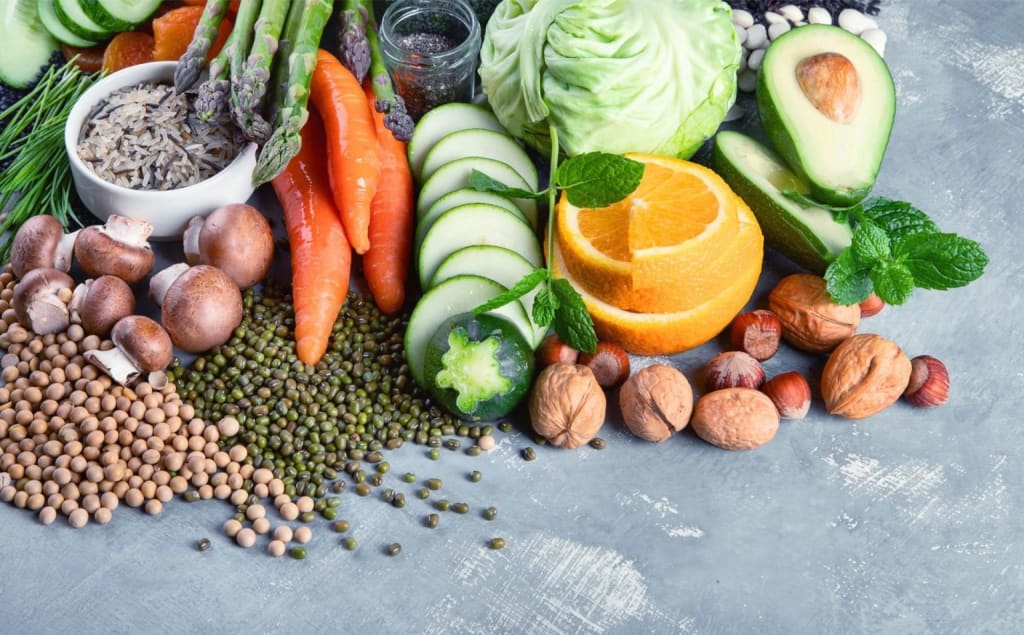
When it comes to living a long and healthy life, many people wonder if there’s a secret formula — and according to new research from Harvard University, the answer might be on your plate. A groundbreaking 30-year study conducted by researchers at the Harvard T.H. Chan School of Public Health sheds light on which diets are most strongly associated with not only extending your lifespan but also preserving your physical and mental well-being as you age.
The study, recently published in JAMA Internal Medicine, tracked the dietary habits of more than 100,000 participants over three decades. Researchers carefully analyzed the long-term health effects of several popular dietary patterns, and the findings were striking: people who consistently followed healthy, plant-forward diets significantly improved their odds of reaching older age in good health — free of chronic diseases, physical limitations, and cognitive decline.
Top Diets That Promote Healthy Aging
Among the diets studied, a few stood out as the clear winners for promoting longevity and quality of life. These included the Alternative Healthy Eating Index (AHEI), the Mediterranean diet, and general plant-based dietary patterns.
Alternative Healthy Eating Index (AHEI)
Developed by nutrition experts at Harvard, the AHEI is designed to reflect current scientific understanding of nutrition and health. This dietary pattern encourages the consumption of whole grains, colorful fruits and vegetables, healthy plant-based oils, and nuts. It also recommends limiting sugar-sweetened beverages, red and processed meats, and refined grains.
Participants who adhered to the AHEI showed a much higher chance of maintaining both physical and cognitive health into their later years, according to the study.
Mediterranean Diet
The Mediterranean diet has long been praised for its heart-healthy benefits, but Harvard's research shows it also plays a significant role in supporting healthy aging. This diet focuses on whole, unprocessed foods such as vegetables, legumes, fruits, whole grains, nuts, seeds, and healthy fats like olive oil. Fish and poultry are preferred over red meats, and dairy is usually consumed in moderation.
Researchers found that participants following the Mediterranean diet experienced improved longevity and lower rates of age-related diseases, including cardiovascular conditions and neurodegenerative disorders.
Plant-Based Diets
Beyond specific named diets, the study highlighted the health advantages of plant-based eating in general. Diets that prioritize legumes, whole grains, vegetables, fruits, nuts, and seeds — while minimizing or eliminating animal products and ultra-processed foods — were linked to substantial increases in healthy life expectancy.
Foods to Limit for Longevity
While the focus of the Harvard study was on positive dietary patterns, it also emphasized the importance of avoiding harmful foods, especially ultra-processed products. These include items high in added sugars, artificial additives, and unhealthy fats — such as packaged snacks, processed meats, fast food, and sugary drinks.
A high intake of ultra-processed foods has been linked to chronic diseases including heart disease, type 2 diabetes, and certain cancers, all of which can shorten both lifespan and quality of life. Reducing your intake of these foods is one of the most effective steps you can take toward healthier aging.
The Planetary Health Diet: Good for You, Good for the Earth
In addition to personal health benefits, the study also pointed toward the environmental advantages of adopting more plant-based, minimally processed diets. The so-called "Planetary Health Diet" — designed to both optimize human nutrition and reduce ecological damage — shares many features with the Mediterranean and plant-based diets.
By focusing on plant proteins, whole foods, and sustainably sourced ingredients, this approach not only lowers the risk of chronic illness but also reduces greenhouse gas emissions and helps preserve natural resources.
Practical Steps Toward Healthy Aging Through Diet
Wondering how to apply this research to your own life? Here are a few practical ways to start eating for a longer, healthier future:
Fill Half Your Plate with Vegetables and Fruits
Aim for variety, especially colorful produce, to maximize nutrients and antioxidants.
Choose Whole Grains Over Refined Grains
Brown rice, quinoa, barley, and whole-wheat products offer more fiber and health benefits than white bread or pasta.
Prioritize Plant-Based Proteins
Legumes, beans, lentils, tofu, and nuts are all excellent protein sources that promote health and longevity.
Cut Back on Ultra-Processed Foods
Start by reducing sugary beverages, packaged snacks, and processed meats in your diet.
Use Healthy Fats
Swap butter and processed oils for olive oil, avocado, and nuts.
Moderation is Key
While the occasional indulgence won’t derail your health, long-term consistency matters more. Making healthy choices most of the time is the secret to success.
The Bottom Line
This Harvard study confirms what many nutrition experts have long believed: the food choices you make today can profoundly shape your future. Adopting a diet rich in whole plant-based foods and limiting ultra-processed products not only enhances your odds of living a longer life but also helps preserve your physical and cognitive health as you age.
The best part? It’s never too late to start making changes. Small, consistent adjustments to your eating habits can lead to lifelong benefits — for both you and the planet.
About the Creator
Tech Horizons
Exploring the future of technology, AI, gadgets, and innovations shaping tomorrow. Stay updated with Tech Horizons!
Keep reading
More stories from Tech Horizons and writers in Longevity and other communities.
Exercising May Lower Breast Cancer Risk, Experiments Reveal
Recent studies have shed light on the significant role physical activity plays in reducing the risk of developing breast cancer. Engaging in regular exercise has been shown to have a positive impact on overall health, and research now indicates that it may also lower the risk of breast cancer.
By Tech Horizons5 months ago in Longevity
Day 4 of Quitting
If this is how sobriety feels, maybe it’s better to go through life a little buzzed… this, along with other hits like, I want to kill myself, I wish I was dead, and I’m going to throw myself off a bridge have been the only thoughts on rotation these past few days. I promise myself that if, in a month, I still feel like this (‘this’ meaning despondent, full of rage, and simultaneously numb) I can go back to smoking. Until mid-February though? Nicotine is off the table.
By sleepy drafts12 days ago in Longevity
What Is Proprioception? Why Body Awareness Matters More Than You Think
Balance is something most people take for granted—until it starts to feel unreliable. A moment of unsteadiness, a fear of falling, or difficulty walking on uneven ground can raise questions that many people struggle to answer. Strength alone doesn’t always explain these changes. In many cases, the missing piece is something far less talked about: proprioception.
By AhmedFitLife5 days ago in Longevity
The Devil's Cut
“Comrade, finally you’re awake.” The voice was smooth, sensual. A flickering incandescent bar was all that lit the white, sterile room. All Vladimir remembered was everything going black. He tried to move his arms and found them strapped to the gurney.
By Matthew J. Fromm5 days ago in Fiction



Comments (1)
Interesting