
Never Do These 6 Things to Your Eyes
Eye-Opening Secrets: 6 Things You Should Never Do to Your Eyes

Keeping your eyes healthy often boils down to simple common sense. You wouldn't put anything in your eyes unless you're sure it's safe, and you'd protect them from bright light. But beyond these basics, here are six specific things you should never do:

1. Never Sleep in Contacts.
Contact lenses cover the surface of your eyes, which can block oxygen from reaching your corneas, leading to infections or corneal ulcers. Even those "overnight wear" contacts can cause problems if left in too long. So, always remove your contacts before anything more than a quick nap.
2. Never Wear Makeup to Bed.
Sleeping with makeup isn't just bad for your skin; it can also clog the glands around your eyes, leading to irritation. Make sure to include makeup removal in your nightly routine.
3. Never Apply Liner to Your Waterline.
It might complete your look, but applying liner to your waterline can mix with your tears and coat your contacts with bacteria-attracting particles. Stick to lining your outer lash line instead.
4. Never Use Expired Eye Care Products.
Eye care products have expiration dates for a reason. They become less effective and could even harm your eyes after that date. Always check the expiration dates on products like eye drops, contact solution, and contact lenses.
5. Never Misuse Eye Drops.
While eye drops can temporarily relieve redness, overusing them can worsen the problem. Redness-reducing drops work by shrinking blood vessels, but excessive use can cause circulation issues. Follow the recommended usage.
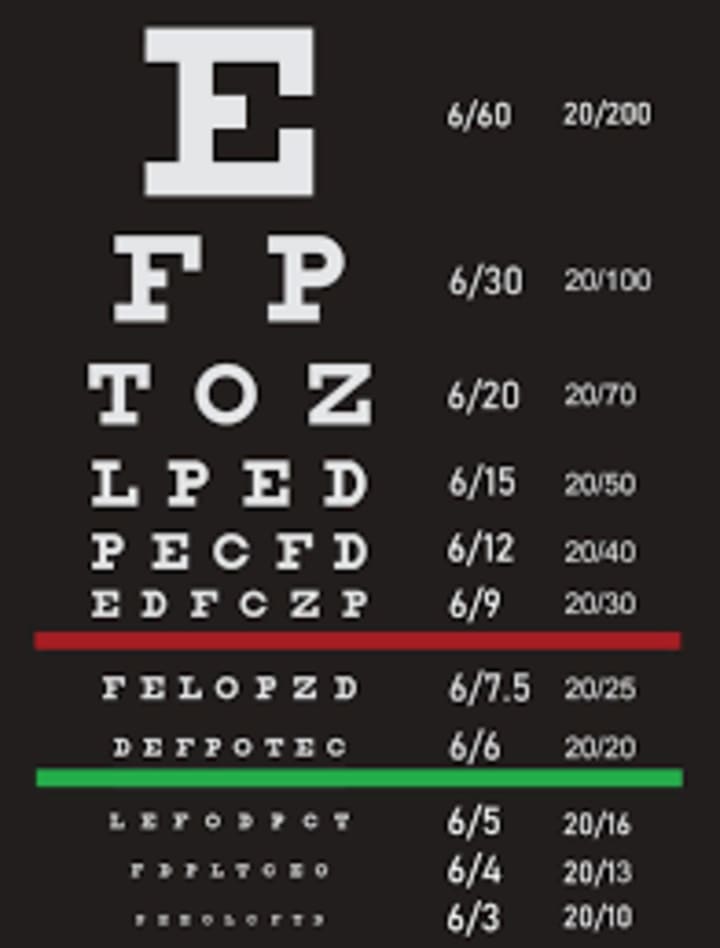
6. Never Skip Your Annual Eye Exam.
Annual eye exams are crucial for catching serious and chronic eye problems early, like glaucoma and macular degeneration. They do more than just check your vision; they ensure your overall eye health.
Bonus Tip: Don't Forget Your Sunglasses in Winter.
Even on bright winter days, UV rays can damage your eyes. Sunglasses protect against corneal burns, cataracts, skin cancer on the eyelids, and macular degeneration. Choose shades that block at least 99% of UVA and UVB rays.
Common Eye Problems
Knowing what not to do is only half the battle. Understanding common eye problems can help you protect your vision and seek treatment early. Here are five prevalent issues:
1. Cataracts
Cataracts cloud the lens of your eye, obstructing vision. They often come with age but can also be influenced by smoking and diabetes. Symptoms include blurred vision, faded color vision, glare, poor night vision, and double vision. Surgery may be required if cataracts severely impact your daily activities.
2. Refractive Errors
Vision depends on light passing through the eye and being refracted correctly. When this refraction is off, it leads to nearsightedness, farsightedness, or astigmatism, which are typically treated with corrective lenses.
3. Glaucoma
Glaucoma refers to a group of diseases that damage the optic nerve, usually due to increased pressure inside the eye from fluid buildup. Symptoms often appear late, and vision loss cannot be restored. Medicated eye drops can help manage intraocular pressure to slow or prevent progression.
4. Diabetic Retinopathy
This condition, a complication of diabetes, damages the blood vessels in the retina. It starts with mild vision problems but can progress to total blindness. Managing blood sugar levels is key to prevention.
5. Macular Degeneration
The leading cause of vision loss, macular degeneration, affects the retina's central part. It's incurable and more common than cataracts and glaucoma combined. Risk factors include genetics, age, race, and smoking.
Since you use your eyes constantly, small changes might go unnoticed. If you detect any changes, contact your doctor immediately. Early detection is critical for treating conditions that could lead to vision loss. Even if it's a false alarm, it's better to be safe than sorry.
About the Creator
David Snam
Greetings, I'm David Snam, a passionate storyteller weaving narratives that resonate with the heart and mind. My tales blend the surreal with the everyday, inviting you to explore worlds where the ordinary transforms into the extraordinary.
Keep reading
More stories from David Snam and writers in Longevity and other communities.
Understanding Parkinson's Disease
Parkinson's disease (PD) is a progressive neurodegenerative disorder that primarily affects movement control. It occurs due to the loss of dopamine-producing neurons in a part of the brain called the substantia nigra. Dopamine, a neurotransmitter crucial for regulating movement, becomes deficient, leading to the hallmark symptoms of Parkinson's.
By David Snam2 years ago in Longevity
A Historic Declaration
We the People of the Husbands of the United States of America, in Order to form a more perfect Union, and I mean you...with me...establish Justice, insure domestic Tranquility, provide for the common defence, promote the general Welfare, and secure the Blessings of Liberty to ourselves, after Puberty, do ordain and establish this Declaration of Co-Dependence.
By Gerard DiLeo4 days ago in Humans



Comments
There are no comments for this story
Be the first to respond and start the conversation.