
More Research Needed To Help Fight H-ABC
Help Needed To Battle Rare Genetic Disorder

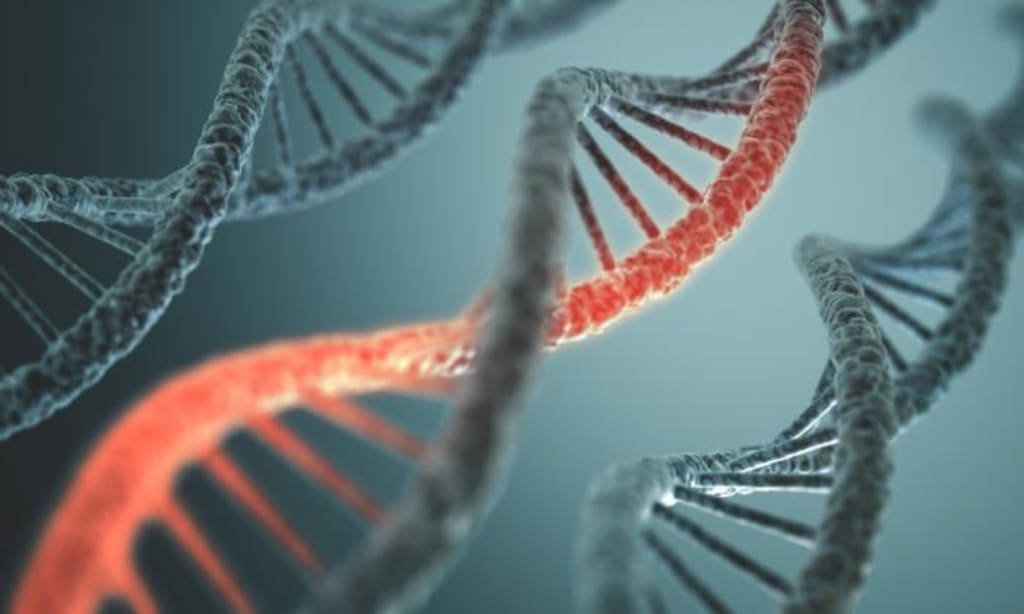
When babies are born, they can develop certain disorders which are passed on from their parents through their genes. These can be caused by a mutation in one or multiple genes. It could also be caused by a combination of gene mutation and environmental factors. There may also be chromosome damage or a change in the number of chromosomes that someone is born with.
We are all born with forty six chromosomes, that is two pairs of twenty three chromosomes. If someone has two X chromosomes, they are classed as female but if they have an X and a Y chromosome, they are classed as male.
A chromosome is technically defined as a threadlike structure of nucleic acids and protein found in the nucleus of most living cells, carrying genetic information in the form of genes.
Genetic disorders can be caused by a mutation in one gene (monogenic disorder), by mutations in multiple genes (multifactorial inheritance disorder), by a combination of gene mutations and environmental factors, or by damage to chromosomes (changes in the number or structure of entire chromosomes.
Some genetic disorders can be very rare and a lot more research will have to be done on them when they occur. An example of an extremely rare genetic disorder is H-ABC or Hypomyelination with Atrophy of the Basal Ganglia and Cerebellum to give it it's full name. This is an extremely rare genetic disorder that progressively damages the nervous system. It specifically targets two parts of the brain: the basal ganglia and the cerebellum, which control the body’s actions and movement.
In most genetic disorders like H-ABC, a gene mutation is inherited from your parents. H-ABC, however, is usually not inherited from a parent. Instead, the change in the TUBB4A gene is typically a random mutation in the person who develops the condition.
Signs and Symptoms
A small head (microcephaly)
Uncontrolled, jerky eye movements (nystagmus) and poor vision
Problems with swallowing and speech
Delays in reaching developmental milestones for movement
Low muscle tone (hypotonia)
Poor coordination or clumsiness (ataxia)
Muscle and limb stiffness (spasticity)
Involuntary movements, including twisting, writhing and abnormal postures (dystonia and choreoathetosis)
Seizures
The severity and progression of the condition can vary from person to person. Speech and swallowing problems can also develop.
If a person is diagnosed with H-ABC, it is technically based on their physical symptoms, imaging of the brain and the results of genetic tests. These can be assessed using an MRI scan of the brain as it can detect patterns in brain tissue which have typical characteristics of H-ABC.
There is no known cure for the condition but treatments are available to manage symptoms and improve the quality of life of the person affected by the condition.
Children with the condition need regular monitoring by neurologists as well as on going therapy co-ordinated by other medical specialists as needed to adapt treatment to their changing needs.
There are a number of organisation who help to care for and support people with H-ABC. These include the Foundation to Fight H-ABC which was established in 2015 to spread awareness, improve quality of life and work towards finding a cure for this degenerative brain condition. Their mission is to fight and spread awareness about the condition as well as help to raise money for research on gene therapy treatments that could stop the degenerative disease.
VISION:
Our vision is to eradicate all childhood leukodystrophies, and to provide hope for those affected and their families. Every child matters.
GOALS:
1. Diagnosis: Proactively promoting awareness as many children are easily misdiagnosed and undiagnosed.
2. Quality of Life: Actively working to improve the quality of life for affected children and their families.
3. Fundraising: Raising money for research on gene therapy treatments that could stop the degenerative effects of this disease.
If you'd like more information on H-ABC and want to help support the fight to help find a cure, please visit https://www.h-abc.org/
About the Creator
Keep reading
More stories from Ashish Prabhu and writers in Longevity and other communities.
The Invisible Full-Time Job: Living With Chronic Pain While Trying to Keep Life Together
Most people think of a job as something you clock in and out of. A defined place where effort produces results. But when you live with chronic pain, you are working a second job every day—one that no one can see.
By Navigating the World3 days ago in Longevity



Comments
There are no comments for this story
Be the first to respond and start the conversation.