
Mediterranean Diet: A Heart-Healthy Lifestyle Choice
Embracing the Mediterranean Diet for Optimal Heart Health: A Comprehensive Guide to Nourishing Your Body and Protecting Your Heart.


The Mediterranean diet has gained significant attention in recent years as a heart-healthy lifestyle choice. This dietary pattern is inspired by the traditional eating habits of people living in countries bordering the Mediterranean Sea, such as Greece, Italy, and Spain. Numerous studies have shown that following a Mediterranean diet can have a positive impact on cardiovascular health, reducing the risk of heart disease and stroke. In this article, we will explore the key components of the Mediterranean diet and the scientific evidence supporting its benefits.
One of the fundamental principles of the Mediterranean diet is the consumption of abundant plant-based foods. Fruits, vegetables, whole grains, legumes, nuts, and seeds form the foundation of this eating pattern. These foods are rich in vitamins, minerals, fiber, and antioxidants, which play a crucial role in maintaining heart health. The high fiber content of plant-based foods helps to lower cholesterol levels, regulate blood sugar levels, and promote healthy digestion.
Olive oil is another essential component of the Mediterranean diet. It is the primary source of fat in this eating pattern and is used in cooking and as a dressing for salads and vegetables. Olive oil is rich in monounsaturated fats, which have been shown to reduce LDL (bad) cholesterol levels and increase HDL (good) cholesterol levels. Additionally, olive oil contains polyphenols, powerful antioxidants that have anti-inflammatory properties and protect against oxidative stress, a key factor in the development of heart disease.
Fish and seafood are also prominent in the Mediterranean diet. These foods are excellent sources of omega-3 fatty acids, which have been extensively studied for their cardiovascular benefits. Omega-3 fatty acids help to reduce inflammation, lower blood pressure, and prevent the formation of blood clots. Fatty fish like salmon, mackerel, and sardines are particularly rich in omega-3s and are recommended to be consumed at least twice a week.
In contrast to the typical Western diet, the Mediterranean diet emphasizes moderate consumption of dairy products, such as yogurt and cheese. These foods provide important nutrients like calcium and protein. However, it is important to choose low-fat or reduced-fat options to limit the intake of saturated fats, which can raise cholesterol levels and increase the risk of heart disease.
Red meat is consumed in moderation in the Mediterranean diet, with an emphasis on lean cuts and smaller portions. Instead, poultry, eggs, and plant-based protein sources like legumes and nuts are preferred. These protein sources are low in saturated fat and provide additional nutrients like fiber and antioxidants.
The Mediterranean diet also encourages the consumption of moderate amounts of red wine, particularly during meals. Red wine contains resveratrol, a compound that has been associated with various health benefits, including improved heart health. However, it is important to note that excessive alcohol consumption can have detrimental effects on health, so moderation is key.
Numerous scientific studies have investigated the effects of the Mediterranean diet on cardiovascular health. One landmark study, known as the PREDIMED trial, demonstrated that following a Mediterranean diet supplemented with extra-virgin olive oil or nuts reduced the incidence of major cardiovascular events by 30% compared to a control group following a low-fat diet. This study provided strong evidence for the protective effects of the Mediterranean diet against heart disease.
Other studies have shown that the Mediterranean diet can improve various risk factors for heart disease, such as blood pressure, cholesterol levels, and blood sugar control. It has also been associated with a lower risk of obesity, metabolic syndrome, and type 2 diabetes. These findings highlight the potential of the Mediterranean diet as a comprehensive approach to cardiovascular health.
In addition to its cardiovascular benefits, the Mediterranean diet has been linked to a reduced risk of other chronic diseases, including certain types of cancer, Alzheimer's disease, and Parkinson's disease. Its emphasis on whole, unprocessed foods and the inclusion of a wide variety of nutrients contribute to its overall health-promoting effects.
In conclusion, the Mediterranean diet is a heart-healthy lifestyle choice supported by rigorous scientific evidence. Its emphasis on plant-based foods, olive oil, fish, and moderate consumption of red wine provides a rich array of nutrients and antioxidants that promote cardiovascular health. By adopting the Mediterranean diet, individuals can reduce their risk of heart disease, stroke, and other chronic diseases. It is important to note that the Mediterranean diet is not a quick fix or a temporary solution but rather a long-term commitment to a healthy lifestyle.
About the Creator
Sebastian Reed
Dedicated to empowering individuals on their journey to optimal health. Sharing practical fitness tips, nutritious ideas, and motivational insights. Let's cultivate a vibrant life together! Join me for inspiration and transformation.
Keep reading
More stories from Sebastian Reed and writers in Longevity and other communities.
The Role of Stretching in Injury Prevention and Flexibility
Stretching is a fundamental component of any exercise routine, playing a crucial role in injury prevention and improving flexibility. Whether you are an athlete, a fitness enthusiast, or simply someone looking to maintain a healthy lifestyle, understanding the importance of stretching is essential.
By Sebastian Reed3 years ago in Longevity
Day 4 of Quitting
If this is how sobriety feels, maybe it’s better to go through life a little buzzed… this, along with other hits like, I want to kill myself, I wish I was dead, and I’m going to throw myself off a bridge have been the only thoughts on rotation these past few days. I promise myself that if, in a month, I still feel like this (‘this’ meaning despondent, full of rage, and simultaneously numb) I can go back to smoking. Until mid-February though? Nicotine is off the table.
By sleepy drafts14 days ago in Longevity
Saudi Arabia Osteoporosis Drugs Market Poised for Steady Growth Through 2033
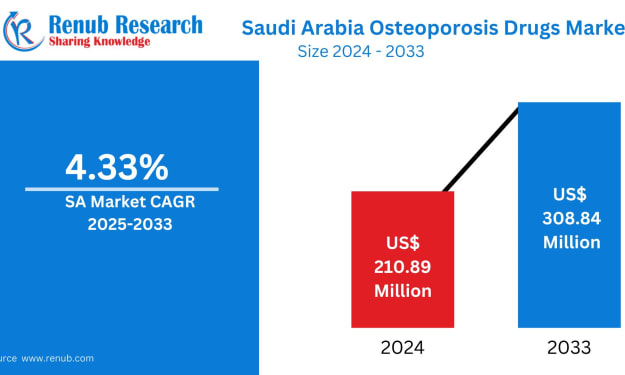
Saudi Arabia Osteoporosis Drugs Market Size and Forecast 2025–2033 The Saudi Arabia Osteoporosis Drugs Market is projected to grow from US$ 210.89 million in 2024 to US$ 308.84 million by 2033, registering a compound annual growth rate (CAGR) of 4.33% between 2025 and 2033. This steady expansion reflects the growing burden of osteoporosis, increased screening rates, rapid uptake of biologics, and government-led healthcare reforms under Vision 2030.
By Renub Research3 days ago in Longevity



Comments
There are no comments for this story
Be the first to respond and start the conversation.