
Meditation and the Inner Critic: Meeting Harsh Thoughts with Stillness
Meeting Harsh Thoughts with Stillness

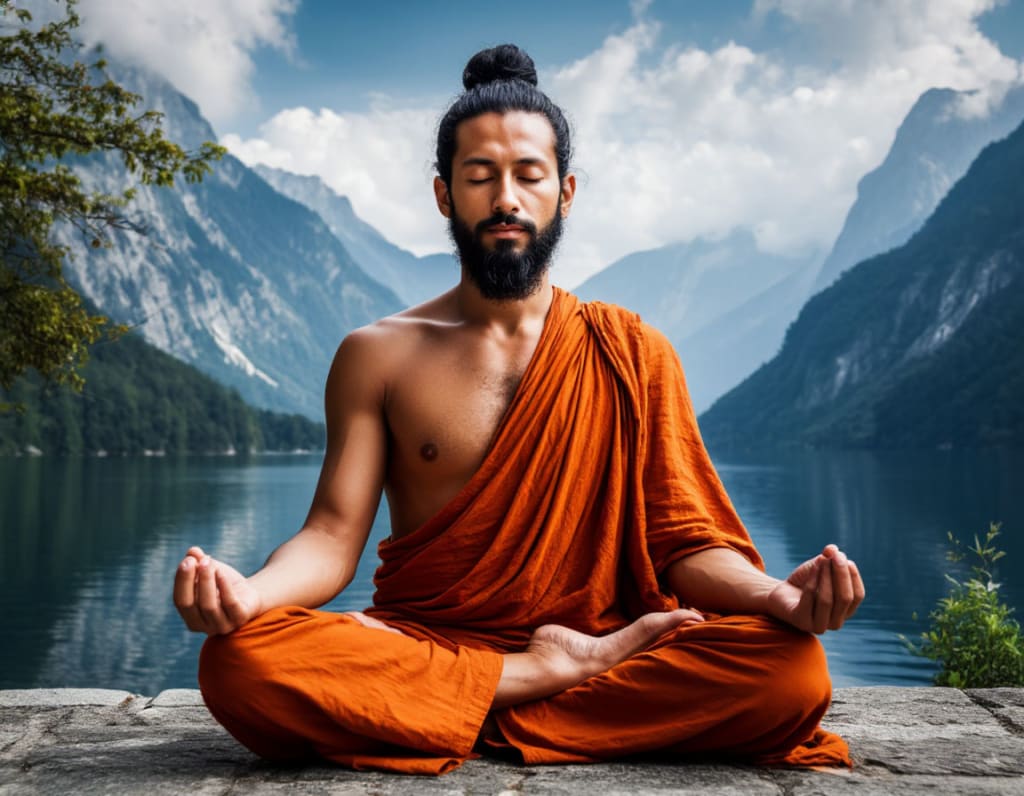
We all have that voice. The one that whispers (or shouts), “You’re not good enough,” “You should be doing more,” or “You always mess things up.” This is the inner critic — a survival mechanism gone rogue. And while many try to silence it with distraction or self-optimization, meditation offers a quieter, more radical path: sitting with it.
In meditation, thoughts are allowed to rise and fall without judgment — even the sharp, cutting ones. Rather than battling the inner critic or trying to drown it in positivity, you learn to observe its presence with spaciousness. Stillness doesn’t fight. It welcomes. And in this welcoming, the critic starts to lose its grip.
Through regular practice, you begin to recognize that the voice of the critic is not the voice of truth — it’s just noise. Sometimes inherited, sometimes habitual. Meditation trains you to meet that noise with the calm clarity of awareness. And slowly, the harsh thoughts become just that: thoughts, not facts.
This approach fosters what psychologists call “decentering” — the ability to witness thoughts without identifying with them. In doing so, meditation not only quiets the inner critic, but also builds inner resilience. You're no longer thrown off course by every internal jab. You become the calm witness, not the criticized self.
And perhaps most powerfully, meditation can reveal the unmet needs beneath the critic’s harshness — a longing for safety, approval, or rest. By holding these needs gently in awareness, you begin to transform the very root of self-judgment.
To learn more about cultivating self-awareness through stillness, visit the meditation resource library filled with free tools and insights.
It’s important to remember that the inner critic often speaks out of a place of fear or past conditioning. It tries to protect you by pushing for perfection or warning you against failure. Meditation helps create a compassionate space where you can listen to these fears without being overwhelmed by them. Instead of reacting with shame or anger, you learn to greet the critic with curiosity and kindness.
One effective meditation technique is to personify your inner critic during practice. Imagine it as a separate entity — a tired, anxious figure rather than your core self. As you observe it from a distance, its power diminishes. You start to see it as one part of your experience, not the whole story. This subtle shift can be profoundly freeing.
Ultimately, meeting harsh thoughts with stillness is an invitation to reclaim your inner peace. It’s not about erasing the critic but befriending it enough to prevent it from running the show. With patience and practice, the voice softens, and your true, compassionate self shines through.
This shift can be deeply liberating. When we stop constantly trying to improve or fix ourselves, we make room for deeper authenticity. We stop asking “How do I get rid of this feeling?” and start asking, “What is this feeling here to teach me?” From that place, transformation becomes organic — not forced.
And in daily life, the ripple effects are profound. Acceptance allows us to be more patient with others, less reactive in conflict, more present in joy. It gives us the resilience to navigate uncertainty without crumbling under it. In short, it lets us be human — not in theory, but in practice.
About the Creator
Keep reading
More stories from Victoria Marse and writers in Longevity and other communities.
Compassion Fatigue and the Case for Self-Focused Meditation
You’re tired — but it’s not just physical. It’s a deep emotional fatigue, born from caring too much for too long. Whether you’re a caregiver, therapist, activist, teacher, or simply someone who feels the weight of the world, you might know this feeling: compassion fatigue.
By Victoria Marse8 months ago in Longevity
Microsoft's Purposeful Marketing Deception About AI's Ability To Beat Physicians In Diagnosis
When you look at the world of scientific research... If you are not careful... You will be fooled into believing things that are not actually supported by the data.
By Dr. Cody Dakota Wooten, DFM, DHM, DAS (hc)a day ago in Longevity
The Physical and Mental Benefits of Helping Others
In the neverending pursuit toward longevity, one thread stands out time and time again: the connections we build with other people are the key healthy aging. Community involvement and volunteering play a significant role in improving both physical and mental health. When individuals actively participate in helping their communities—whether through local organizations, charities, schools, or neighborhood projects—they often experience meaningful benefits that extend beyond the act of service itself. By fostering social connections, encouraging active lifestyles, and providing a sense of purpose, volunteering can contribute to overall well-being and a healthier society.
By Andrew Elsoffer6 days ago in Longevity



Comments
There are no comments for this story
Be the first to respond and start the conversation.