
Major Study Links Being a Night Owl to Higher Heart Attack and Stroke Risk
Late-night habits may increase the risk of heart attacks and strokes

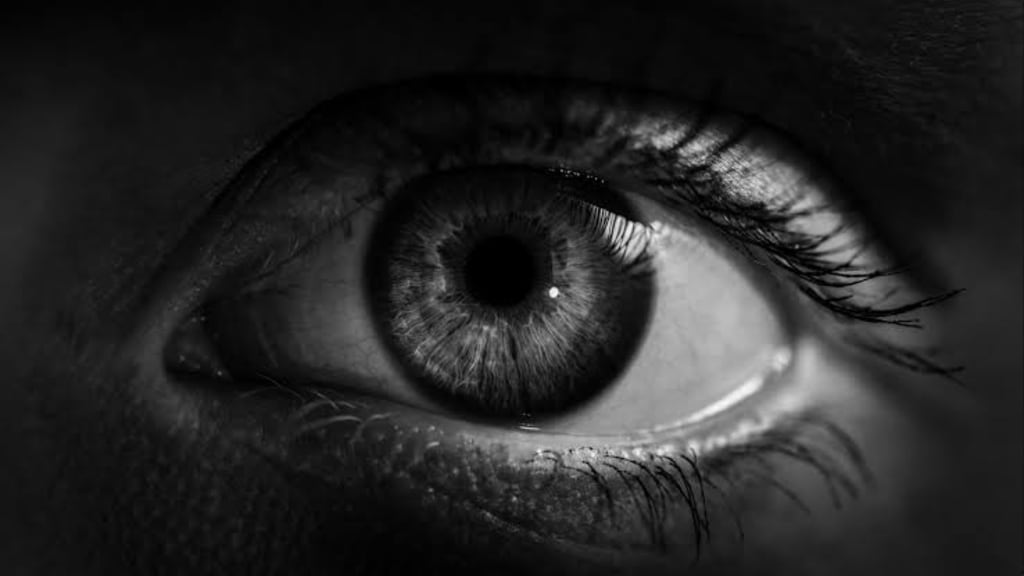
New research suggests late-night habits may affect heart health
A recent major study has revealed a significant link between being a night owl—someone who prefers staying up late and waking up late—and a higher risk of heart attack and stroke. The findings add to a growing body of research suggesting that sleep patterns can have a major impact on cardiovascular health, beyond just the number of hours slept.
Researchers analyzed the health outcomes of tens of thousands of participants, tracking their sleep habits, lifestyle, and medical histories. The results suggest that people who go to bed late and rise late may face increased cardiovascular risks, even when controlling for factors like age, diet, and physical activity.
What the Study Found
The study observed participants over several years, examining the relationship between sleep timing and cardiovascular events. Key findings include:
Night owls were more likely to suffer heart attacks and strokes compared to early risers.
The risk was especially pronounced among those who consistently stayed up past midnight.
Late sleepers often had higher levels of stress, disrupted circadian rhythms, and poorer metabolic health, which could contribute to heart problems.
The research does not suggest that staying up late automatically causes heart disease, but it highlights a strong correlation between late-night habits and cardiovascular risk.
Why Night Owls May Be at Greater Risk
Experts point to several factors that may explain why night owls are more vulnerable:
Circadian Rhythm Disruption
The body’s internal clock regulates sleep, hormone release, and metabolic functions. Late-night habits can disrupt this rhythm, affecting heart rate, blood pressure, and inflammation levels.
Lifestyle Factors
Night owls may engage in behaviors that increase cardiovascular risk, such as irregular eating patterns, late-night snacking, or reduced physical activity during daylight hours.
Sleep Quality and Duration
Even when night owls get enough total sleep, their sleep may be less restorative due to misalignment with natural light-dark cycles. Poor-quality sleep is a known risk factor for heart disease.
Stress and Hormonal Imbalance
Irregular sleep schedules can increase stress hormones like cortisol, which can raise blood pressure and contribute to heart disease over time.
Health Implications for Night Owls
For those who naturally prefer staying up late, the study emphasizes the importance of proactive heart health management. Recommendations include:
Regular Check-Ups: Monitoring blood pressure, cholesterol, and blood sugar can help detect early signs of cardiovascular risk.
Consistent Sleep Schedule: Even night owls can benefit from gradually aligning their sleep with natural circadian rhythms.
Healthy Lifestyle Choices: Regular exercise, a balanced diet, and limiting late-night snacking can reduce risk factors.
Stress Management: Meditation, mindfulness, and relaxation techniques can counter the effects of disrupted sleep on stress hormones.
Medical professionals stress that small adjustments can make a meaningful difference for long-term heart health.
Broader Research Context
This study adds to a growing recognition that chronotype—whether someone is a morning or evening person—matters for health outcomes. Previous research has linked night owl tendencies to:
Higher rates of obesity and diabetes
Increased risk of depression and anxiety
Lower overall life expectancy in some population studies
By focusing specifically on heart attack and stroke risk, this study provides more targeted insight into the cardiovascular consequences of late-night habits.
Not All Night Owls Are at Equal Risk
It’s important to note that not all night owls face the same level of risk. Factors such as genetics, overall health, diet, and exercise habits play a significant role. Additionally, occasional late nights are unlikely to cause serious heart problems; the risk is more associated with consistent late-night behavior over years.
Experts encourage people to assess their overall lifestyle rather than focus solely on sleep timing. Adjusting habits gradually can help mitigate risk without completely changing natural sleep preferences.
Advice for Individuals and Employers
The findings have implications not just for individuals but also for workplaces:
Employers may consider flexible scheduling to accommodate natural chronotypes, helping employees get restorative sleep.
Public health campaigns could raise awareness about the link between sleep patterns and cardiovascular health.
Individuals can take control by tracking sleep patterns and making incremental changes to improve alignment with natural rhythms.
Small shifts, such as going to bed 30 minutes earlier or limiting late-night screen exposure, can improve sleep quality and support heart health over time.
Conclusion
The study linking night owl habits to higher heart attack and stroke risk highlights the importance of sleep timing as a key factor in cardiovascular health. While staying up late is a natural preference for many, consistent late-night routines may contribute to increased heart risks over time.
Experts recommend monitoring overall health, maintaining a consistent sleep schedule, and adopting healthy lifestyle habits. By making small, informed adjustments, night owls can protect their hearts and reduce the risk of serious cardiovascular events.
This research underscores a simple yet powerful message: when you sleep may be just as important as how long you sleep.
About the Creator
Fiaz Ahmed
I am Fiaz Ahmed. I am a passionate writer. I love covering trending topics and breaking news. With a sharp eye for what’s happening around the world, and crafts timely and engaging stories that keep readers informed and updated.
Keep reading
More stories from Fiaz Ahmed and writers in Longevity and other communities.
Met Office Issues Yellow Weather Warning for Ice
Slippery roads, travel delays, and safety concerns as temperatures drop The Met Office has issued a yellow weather warning for ice, alerting the public to potentially dangerous conditions across affected areas. As temperatures fall overnight, untreated roads, pavements, and rural routes are expected to become icy, increasing the risk of accidents and travel disruption. While a yellow warning is the lowest level of weather alert, it should not be ignored. Ice can form quickly and unexpectedly, making everyday journeys hazardous and placing pressure on emergency services. What a Yellow Warning for Ice Means A yellow weather warning is issued when conditions may cause minor disruption and increased risk to safety. In this case, the Met Office warns that freezing temperatures could lead to ice forming on roads and walkways, particularly overnight and during early morning hours. Drivers, pedestrians, and cyclists are advised to remain cautious, as even small patches of ice can cause vehicles to skid or people to slip. Rural areas and higher ground are especially vulnerable due to lower temperatures and fewer treated surfaces. How Ice Forms So Quickly Ice often forms when temperatures drop close to or below freezing, especially after rain or melting snow. Moisture left on roads and pavements can freeze rapidly, creating black ice, which is nearly invisible and extremely dangerous. Black ice is particularly common: In shaded areas On bridges and overpasses On untreated country roads Because it is hard to see, black ice is responsible for many winter accidents. Impact on Travel and Transport Icy conditions can cause significant disruption to travel, even when snowfall is minimal. Road traffic accidents often increase during icy spells, leading to delays and congestion. Public transport services may also be affected. Buses can struggle on steep or untreated roads, while rail services may operate at reduced speeds to maintain safety. Airports may face minor delays due to icy runways or aircraft de-icing procedures, especially during early morning departures. Authorities urge travelers to: Check travel updates before leaving Allow extra time for journeys Avoid unnecessary travel during icy conditions Risks for Pedestrians and Cyclists Ice is not only a threat to drivers. Pedestrians and cyclists face a high risk of injury, particularly on untreated pavements and paths. Slips and falls can lead to broken bones, head injuries, and hospital admissions. Older adults are especially vulnerable, as falls can have long-lasting health effects. Local councils often prioritize gritting main roads, which means pavements and side streets may remain icy for longer. Wearing suitable footwear and walking carefully can reduce risk, but caution remains essential. Pressure on Emergency and Health Services During icy weather, emergency services experience a rise in callouts. Ambulance crews respond to accidents, falls, and cold-related illnesses, while hospitals may see increased admissions. Fire and rescue teams are also affected, responding to road incidents and assisting vulnerable people. These pressures highlight why even moderate weather warnings deserve attention. Healthcare professionals encourage people to check on elderly neighbors and relatives, ensuring they are warm, safe, and have access to essential supplies. How to Stay Safe During Icy Conditions The Met Office and local authorities recommend several practical steps to stay safe: Drive slowly and smoothly, avoiding sudden braking Keep a safe distance from other vehicles Wear shoes with good grip when walking outdoors Use handrails where available Stay informed by checking local weather updates Preparing in advance can help reduce risk and prevent accidents during icy spells. Schools, Workplaces, and Daily Life Ice can also disrupt schools and workplaces, particularly if travel becomes unsafe. Some schools may open late or close temporarily, while employers may allow remote working where possible. For people whose jobs require travel or outdoor work, icy conditions increase the risk of injury. Employers are encouraged to assess risks and take steps to protect staff. Daily routines such as shopping, medical appointments, and social activities may also be affected, especially for those with limited mobility. Why Winter Warnings Matter Weather warnings are designed to give people time to prepare, not to cause alarm. Even a yellow warning can help reduce accidents by encouraging caution and awareness. Meteorologists note that winter weather in the UK can be unpredictable. Rapid changes in temperature mean ice can form even when conditions appear calm. Climate experts also point out that while average temperatures may rise over time, extreme and sudden cold spells are still possible, making preparation essential. Community Awareness and Responsibility Local communities play an important role during icy weather. Neighbors clearing pathways, sharing information, and checking on vulnerable residents can make a real difference. Many councils encourage residents to clear snow and ice from pavements outside their homes where it is safe to do so. These small actions help reduce injuries and keep communities moving. Conclusion The Met Office’s yellow weather warning for ice serves as an important reminder that winter conditions can be dangerous, even without heavy snow. Slippery roads, icy pavements, and reduced visibility all increase the risk of accidents and disruption. By staying informed, taking sensible precautions, and looking out for others, communities can reduce the impact of icy weather. While winter hazards cannot be avoided entirely, awareness and preparation remain the best tools for staying safe when temperatures fall.
By Fiaz Ahmed about 21 hours ago in Longevity
Day 4 of Quitting
If this is how sobriety feels, maybe it’s better to go through life a little buzzed… this, along with other hits like, I want to kill myself, I wish I was dead, and I’m going to throw myself off a bridge have been the only thoughts on rotation these past few days. I promise myself that if, in a month, I still feel like this (‘this’ meaning despondent, full of rage, and simultaneously numb) I can go back to smoking. Until mid-February though? Nicotine is off the table.
By sleepy drafts22 days ago in Longevity
10 Traits of Overweight Gym Goers
I don't know about you all, but when I go to the gym, I notice many of the people there are in shape or somewhat in shape, which makes sense, but for those who want to get in shape, being overweight in this setting could potentially feel overwhelming, intimidating, de-motivating, and flat out uncomfortable.
By Destiny S. Harris4 days ago in Longevity



Comments
There are no comments for this story
Be the first to respond and start the conversation.