
Loving-Kindness Meditation: Sending Peace to Yourself First
How cultivating compassion inward creates space for healing and connection


In a world that urges constant productivity, self-criticism often becomes a default. We push ourselves to be better, do more, move faster. But what if real growth—and healing—begins with offering kindness to ourselves first?
Loving-kindness meditation, or Metta, is a practice rooted in ancient Buddhist tradition. Its purpose is simple yet powerful: to generate and extend feelings of warmth, care, and compassion, beginning with yourself and expanding outward.
This form of meditation doesn’t ask you to fix or improve yourself—it invites you to embrace yourself with tenderness. And that alone can shift everything.
What Is Loving-Kindness Meditation?
Loving-kindness meditation involves silently repeating a series of phrases like:
May I be safe
May I be happy
May I be healthy
May I live with ease
You direct these phrases inward at first, offering them to yourself, then gradually extend them to others: a loved one, a neutral person, even someone you struggle with.
The goal is not to force emotion but to cultivate the intention of care.
Over time, this practice reshapes the inner narrative—softening self-judgment and fostering empathy.
Why Start With Yourself?
Many people skip the self-directed part, thinking it's selfish or unnecessary. But starting with yourself is essential.
Why?
Because it’s hard to offer others what we deny ourselves. When you’re disconnected from your own worthiness, kindness toward others may become strained, performative, or depleting.
Self-directed loving-kindness creates an inner reservoir of compassion—a steady flame instead of a flickering match.
And for those navigating anxiety, depression, or burnout, this internal support can be life-changing.
How to Practice Loving-Kindness for Yourself
Here’s a simple way to begin:
Find a quiet, comfortable space
Sit or lie down with your eyes closed or gently focused.
Connect to your breath
Take a few deep, slow breaths to settle in.
Begin the phrases
Silently repeat to yourself:
May I be safe
May I be healthy
May I be happy
May I live with ease
Say the phrases gently and sincerely
Don’t worry if they feel awkward or hollow at first. The goal is to plant seeds.
Let feelings come and go
You may feel warmth. You may feel nothing. You may feel resistance. All of it is part of the practice.
What If It Feels Uncomfortable?
That’s completely normal. Many of us are more used to criticism than kindness. It can feel foreign, even triggering, to offer yourself love.
If this happens:
Start with just one phrase (e.g., May I be kind to myself)
Place a hand over your heart or belly for support
Imagine someone who loves you saying the words to you
Remember, the practice is about intention, not performance.
Long-Term Benefits
Research shows that loving-kindness meditation can:
Reduce symptoms of anxiety and depression
Increase positive emotions and life satisfaction
Strengthen empathy and emotional regulation
Improve self-compassion and forgiveness
In short, it helps you feel more at home in your own heart—and more connected to others.
If you're looking for gentle, guided ways to start, this meditation resource offers beginner-friendly scripts and audio sessions to support your practice with care and intention.
Final Thought: Start Where You Are
You don’t need to feel loving to begin a loving-kindness practice. You just need a willingness to try.
By sending peace to yourself first, you begin to rewrite the story your nervous system has been telling for years—that you must earn rest, earn care, earn love.
The truth is simpler, softer, and more radical:
You are already worthy.
And every breath you take in kindness reinforces that truth.
About the Creator
Keep reading
More stories from Victoria Marse and writers in Longevity and other communities.
What to Do When You “Fail” at Meditation
If you’ve ever sat down to meditate only to feel distracted, restless, or convinced you’re doing it “wrong,” you’re not alone. Many people experience moments where meditation feels like a failure—when the mind won’t quiet, or the minutes crawl by, or self-judgment takes over.
By Victoria Marse8 months ago in Longevity
Met Office Forecasts Dry Weather for Sindh
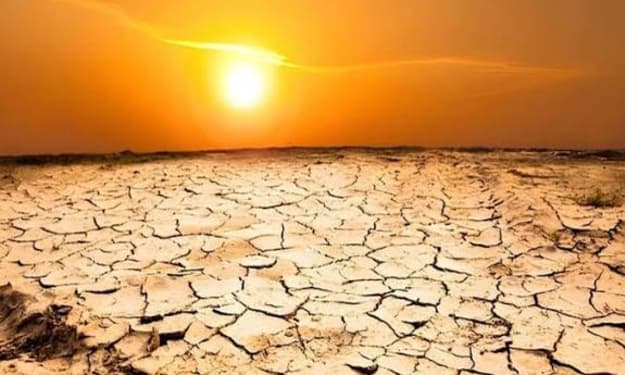
The Pakistan Meteorological Department has issued a forecast indicating that Sindh province is expected to experience a prolonged period of dry weather over the coming weeks. Meteorologists say the region will see little to no rainfall, with temperatures remaining above seasonal averages, raising concerns about agriculture, water resources, and public health. According to the Met Office, a high-pressure system over the Arabian Sea and the Indian subcontinent is likely to dominate weather patterns in Sindh for the next fortnight. This atmospheric configuration inhibits cloud formation, leading to clear skies and minimal precipitation. Forecasts predict daytime temperatures in major cities, including Karachi and Hyderabad, to hover between 28°C and 34°C, slightly above the long-term average for this period. Nighttime temperatures are expected to remain mild, ranging from 18°C to 22°C. The dry spell comes at a critical time for the agricultural sector. Sindh is a major contributor to Pakistan’s wheat, sugarcane, and rice production. Farmers are being advised to monitor soil moisture levels carefully and consider supplemental irrigation for crops at sensitive growth stages. Prolonged dry conditions can affect germination, yield, and quality, particularly for wheat crops that rely on moderate rainfall in the final stages before harvest. Water resource management is also expected to become a key challenge. Reservoirs and canals in Sindh, which depend on upstream flows from the Indus River system, are already operating at variable levels due to reduced inflows and increased water demand. Local authorities are monitoring water distribution closely, emphasizing conservation measures and urging residents to avoid excessive usage. In some districts, water rationing plans may be activated if the dry period persists. Public health officials have cautioned about potential heat-related risks. Although the current temperatures are not extreme, prolonged dry conditions can exacerbate health issues, particularly for vulnerable populations such as the elderly, children, and people with preexisting medical conditions. Heat stress, dehydration, and respiratory issues may become more common if residents do not take appropriate precautions. Health authorities recommend staying hydrated, avoiding prolonged exposure to the sun during peak hours, and ensuring access to cool environments. The Met Office also noted that dust storms and haze could occur in some areas due to the dry conditions combined with occasional strong winds. These phenomena can reduce visibility and impact road traffic, aviation, and outdoor activities. Residents are advised to take safety precautions, particularly when traveling, and to follow local advisories regarding dust and air quality. Economists have warned that the dry spell could have indirect effects on local markets. Reduced crop output may drive up food prices, especially for wheat, rice, and vegetables, affecting household budgets and contributing to inflationary pressures. Traders and suppliers are being advised to monitor market conditions and plan accordingly to avoid shortages or sudden price hikes. Despite the dry weather, meteorologists have noted that this pattern is part of a natural seasonal variation. Sindh typically experiences dry periods during the pre-monsoon and post-winter seasons, and occasional heat waves are not unusual. However, experts also emphasize that climate change may be altering rainfall patterns, leading to longer dry spells and more unpredictable weather events. Continuous monitoring and early warning systems are essential to mitigate risks to agriculture, water supplies, and public health. Authorities in Sindh have urged residents and local businesses to remain vigilant. Farmers should adopt efficient irrigation practices, municipal agencies should ensure water distribution networks function effectively, and the public should take measures to protect health and safety. Collaboration between government departments, meteorological agencies, and the community will be crucial in managing the impacts of this dry period. Looking ahead, the Met Office expects the dry spell to continue into late March, with little relief from rainfall until the onset of the pre-monsoon showers. While temperatures are likely to remain moderate, the persistence of dry weather underscores the need for careful planning and resource management in Sindh. Residents are encouraged to stay updated with official forecasts and advisories to minimize the effects of prolonged dry conditions on daily life and livelihoods.
By Fiaz Ahmed 6 days ago in Longevity
Two Grumpy Old Men Solve the Problem
Marty and Steve were two grumpy old men who lived together. They had known each other for years. Marty had been a bachelor all his life. Steve said it was because no one could stand to ever live with. Marty’s standard reply was “Well, you are, so what sort of a moron does that make you!”
By Calvin London4 days ago in Humor



Comments
There are no comments for this story
Be the first to respond and start the conversation.