
Living Well with Kidney Failure
Your Guide to Diet, Lifestyle, and Hope
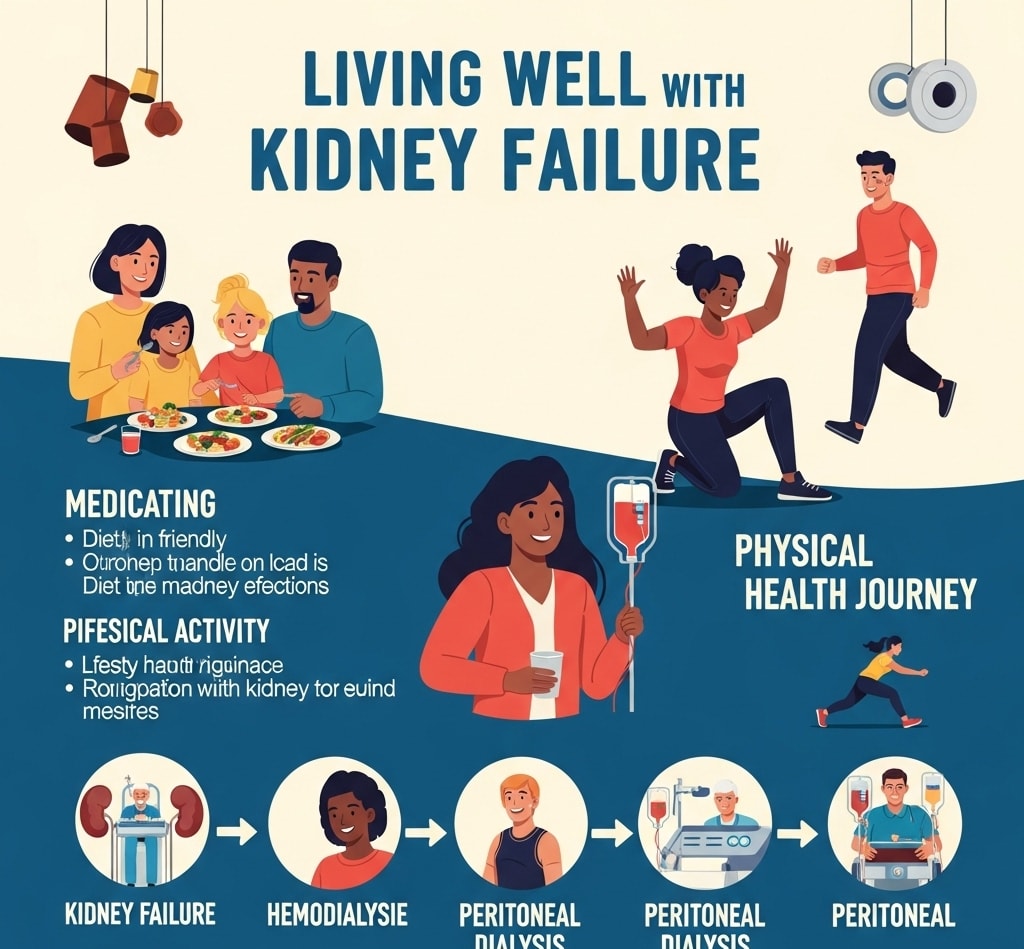
Welcome to our community, a supportive space for individuals navigating life with kidney failure. We understand that this journey can bring about many questions and adjustments, especially regarding your daily lifestyle and diet. Today, we'll delve into how to live well, manage your nutritional needs, and explore the possibilities of recovery without a transplant.
It's important to remember that while kidney failure presents significant challenges, it's absolutely possible to lead a fulfilling and meaningful life. Knowledge is power, and by understanding your body and making informed choices, you can take control of your health journey.
Understanding Kidney Failure and Its Impact
Our kidneys are vital organs responsible for filtering waste products and excess fluid from our blood. When the kidneys fail, these waste products can build up, leading to various health complications. This is why managing your lifestyle, particularly your diet, becomes crucial.
A digital illustration of a cross-section of two human kidneys, showing their internal structure with intricate details like the cortex, medulla, pyramids, and renal pelvis. Red and blue vessels represent the blood supply.
Navigating Your Diet:
A Kidney-Friendly Approach
Dietary management is a cornerstone of living well with kidney failure. Your nephrologist and a registered dietitian specializing in kidney disease will work closely with you to create a personalized meal plan. However, some general guidelines often apply:
1. Protein Intake:
Protein is essential for building and repairing tissues, but your kidneys may struggle to process large amounts of protein waste. Your doctor will determine the appropriate protein intake based on your stage of kidney failure and whether you are on dialysis
A graphic with the heading "PROTEIN". It features an illustration of kidneys next to text emphasizing the importance of careful protein intake in the diet of someone with kidney failure. Below, there's an illustration of a steak, accompanied by text highlighting the need for moderate portions of lean protein.
2. Sodium Restriction:
Damaged kidneys can't effectively remove excess sodium, leading to fluid retention, high blood pressure, and strain on your heart. Your dietitian will guide you on how to limit sodium by avoiding processed foods, canned goods, salty snacks, and by carefully reading food labels.
A graphic with the heading "SODIUM DESTRUCTION". It displays a row of canned goods and a container of salt, illustrating sources of high sodium. Below, there are fresh salmon fillets, a lemon wedge, and herbs, representing lower-sodium food choices. Text highlights the importance of limiting processed foods and choosing fresh alternatives to manage blood pressure.
3. Phosphorus Control:
High phosphorus levels can lead to bone disease and other complications. Many dairy products, processed foods, nuts, and dark-colored sodas are high in phosphorus. Your dietitian will help you identify phosphorus-rich foods and may recommend phosphate binders to take with meals.
A graphic with the heading "POSCOROUS CONTROL". It features two pathways illustrating how phosphorus affects the kidneys. The top pathway shows healthy kidneys leading to healthy foods like parsley and red pepper, then to almonds (representing phosphorus content). The bottom pathway shows unhealthy kidneys leading to processed foods (a yellow, cheesy dish), then to dried peas, and finally to peanuts (also representing phosphorus content), suggesting careful management is needed.
4. Potassium Management:
Potassium plays a vital role in nerve and muscle function, but high potassium levels can be dangerous for people with kidney failure. Certain fruits (like bananas and oranges), vegetables (like potatoes and tomatoes), and legumes are high in potassium. Your doctor will monitor your potassium levels and guide your dietary choices.
A graphic with the heading "SODIUM POLAROL". It shows a progression starting with a depiction of the heart and major blood vessels, leading to a pair of simplified kidneys, and finally to a more detailed, inflamed-looking pair of kidneys. Text below each image refers to "potelgrous protein," "noroanol monuegeneles," and "pepeoderous conecodoiiiy," suggesting a process where excessive protein intake burdens healthy kidneys and eventually leads to kidney damage.
5. Fluid Restriction:
As kidney function declines, your body may retain fluid. Your doctor will determine your daily fluid allowance, which includes all liquids and even the water content in some foods. Managing your fluid intake can help prevent swelling, shortness of breath, and high blood pressure.
A minimalist graphic depicting fluid intake management. It shows three stylized glasses with straws, transitioning from a glass with a moderate level of blue liquid, to a slightly fuller glass with red liquid and bubbles, and finally back to a glass with a moderate level of blue liquid. Arrows indicate the progression, visually representing the careful monitoring and adjustment of fluid intake.Tips for Successful Dietary Management:
Work closely with your dietitian: They are your best resource for personalized guidance and can help you create delicious and kidney-friendly meals.
Read food labels carefully: Pay attention to sodium, phosphorus, and potassium content.
Cook at home more often: This gives you greater control over ingredients.
Use herbs and spices for flavor instead of salt.
Monitor your fluid intake diligently.
Stay positive and be patient: Adjusting to a new diet takes time and effort.
Beyond Diet: Embracing a Healthy Lifestyle
While diet is paramount, other lifestyle factors also play a significant role in managing kidney failure:
Regular Exercise: Consult your doctor about safe and appropriate exercise routines. Physical activity can improve energy levels, mood, and overall health.
Blood Pressure Management: Keeping your blood pressure within the target range is crucial for slowing down kidney disease progression and protecting your heart. Follow your doctor's recommendations for medication and lifestyle modifications.
Blood Sugar Control (if you have diabetes): Effective diabetes management is essential to protect your kidneys.
Quit Smoking: Smoking damages blood vessels and can worsen kidney disease.
Adequate Sleep: Aim for 7-8 hours of quality sleep each night to support overall health.
Stress Management: Find healthy ways to cope with stress, such as meditation, yoga, or spending time in nature.
A vector illustration depicting a woman in a cross-legged meditation pose. She has her eyes closed and holds a small orange sphere in each outstretched hand, balancing them. Lush green and orange stylized leaves surround her, suggesting a peaceful and natural environment conducive to relaxation and well-being. Recovery Without Transplant: Understanding the Possibilities
Many individuals with kidney failure wonder about the chances of recovery without a kidney transplant. The likelihood of regaining full kidney function depends heavily on the underlying cause of the kidney failure, the stage at which it was diagnosed, and how aggressively the underlying conditions are managed.
Acute Kidney Injury (AKI): If kidney failure is sudden (acute) and caused by a reversible condition (such as dehydration, certain medications, or an infection), kidney function can often recover completely or significantly with prompt and appropriate medical treatment.
Chronic Kidney Disease (CKD): Chronic kidney disease is a long-term condition where kidney function gradually declines over time. In most cases of CKD, the damage to the kidneys is irreversible, and kidney function will not fully recover. However, with diligent management of diet, lifestyle, medications, and underlying conditions (like diabetes or high blood pressure), the progression of CKD can be slowed down, and individuals can live stable and relatively healthy lives for many years without needing a transplant.
A flat illustration of a serene woman meditating. She is sitting cross-legged with her hands resting on her knees in a mudra position. Her eyes are closed, and she has a calm expression. She is wearing a light pink long-sleeved shirt and dark blue pants. The background is a soft coral color with subtle, stylized leaf patterns.Focusing on Quality of Life:
Even if full recovery isn't possible, the focus shifts to managing your condition effectively, preventing complications, and maintaining a good quality of life. Dialysis (hemodialysis or peritoneal dialysis) is a life-sustaining treatment that filters waste products from your blood when your kidneys can no longer do so adequately. Many people lead active and fulfilling lives while on dialysis.
Hope and Research:
Medical research is constantly evolving, leading to new treatments and therapies for kidney disease. Staying informed and connected with your healthcare team is essential. They can provide you with the most up-to-date information regarding your specific situation and any potential new developments.
You Are Not Alone
Living with kidney failure is a journey that requires adaptation, resilience, and a strong support system. Remember that you are not alone. Connect with other individuals facing similar challenges through support groups or online communities. Sharing experiences and learning from others can be incredibly helpful.
A serene landscape featuring lush green rice paddies stretching across a valley, bordered by small streams of water. In the background, majestic dark mountains rise against a cloudy sky with hints of sunlight breaking through. A few trees are scattered across the foreground and midground, adding depth to the peaceful scene. By embracing a kidney-friendly lifestyle, working closely with your healthcare team, and staying informed and hopeful, you can navigate life with kidney failure and continue to live a meaningful and fulfilling life.
Disclaimer: This blog post provides general information and should not be considered medical advice. Always consult with your nephrologist and registered dietitian for personalized guidance regarding your kidney health and treatment plan.
About the Creator
Day 4 of Quitting
If this is how sobriety feels, maybe it’s better to go through life a little buzzed… this, along with other hits like, I want to kill myself, I wish I was dead, and I’m going to throw myself off a bridge have been the only thoughts on rotation these past few days. I promise myself that if, in a month, I still feel like this (‘this’ meaning despondent, full of rage, and simultaneously numb) I can go back to smoking. Until mid-February though? Nicotine is off the table.
By sleepy drafts13 days ago in Longevity
Anti-venom Market Size and Forecast 2025–2033
Introduction Snakebites, scorpion stings, and other venomous encounters remain one of the world’s most under-recognized public health challenges. Each year, millions of people—particularly in rural, tropical, and developing regions—are exposed to venomous animals, often with limited access to timely medical care. In such settings, anti-venom is not merely a pharmaceutical product; it is a critical life-saving intervention.
By Renub Research6 days ago in Longevity



Comments
There are no comments for this story
Be the first to respond and start the conversation.