
Is Rectal Bleeding Normal? Signs That It Might Be Something Serious
Understanding the causes of rectal bleeding and knowing when it’s time to get medical help

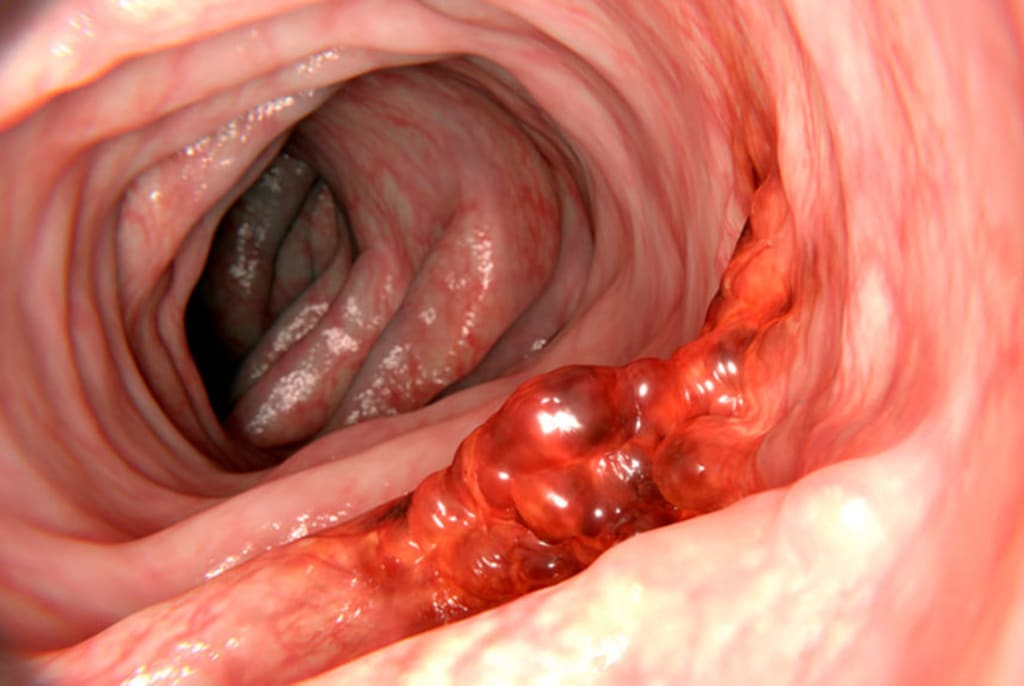
Hey there, it's Gerald here, and today I want to discuss something that, while uncomfortable, is important: rectal bleeding. Now, I know it’s not the most pleasant subject to think about, let alone talk about, but the truth is that it's a common experience for many people. Whether you've noticed a streak of blood on toilet paper, in the water, or on your stool, it’s essential not to ignore it. As awkward as it might be to bring up, addressing these issues early can prevent bigger problems down the road.
Let’s face it: many of us have had that moment of concern when we notice blood after using the bathroom. It’s easy to brush it off, hoping it’ll go away on its own, but rectal bleeding can be a sign of something that needs medical attention. Sometimes, the cause might be something simple, like irritation from wiping too hard or going to the bathroom frequently. However, in other cases, it could be a sign of more serious conditions that require further investigation. Let’s dive into what could be causing it and why paying attention to this symptom is so crucial.
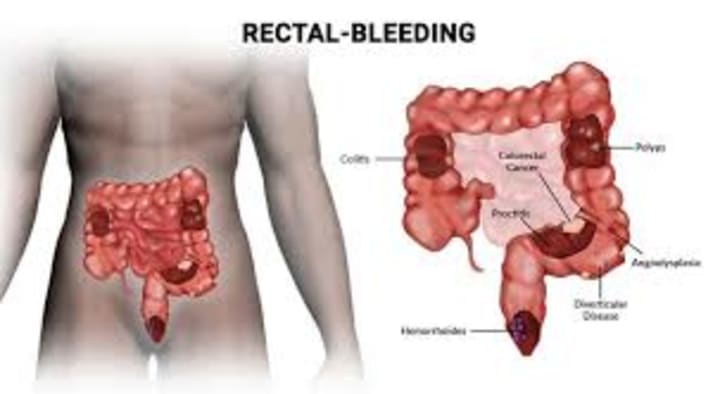
First off, understanding where the bleeding is coming from is essential. Rectal bleeding refers to blood that originates anywhere from the anus up to the stomach. While blood from the rectum is more obvious, it’s worth noting that bleeding higher up in the digestive system can also make its way out through the anus. One of the key indicators of where the bleeding is coming from is the color of the blood. Bright red blood usually means the bleeding is closer to the anus, such as from hemorrhoids or anal fissures. On the other hand, darker or black, tarry blood often indicates that the bleeding is happening higher up in the gastrointestinal tract, like in the stomach or small intestine.
One of the most common causes of rectal bleeding is hemorrhoids. Hemorrhoids are swollen veins in the rectum or anus, and they can be pretty uncomfortable. They may become inflamed, bleed, and cause pain, especially after straining during bowel movements or sitting for long periods. While hemorrhoids are common and not usually serious, they can cause significant discomfort and, at times, may require treatment to reduce the swelling and bleeding.
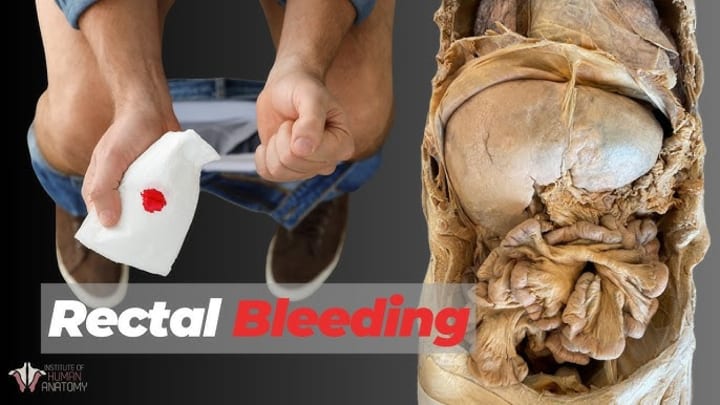
Another frequent cause of rectal bleeding is anal fissures. Anal fissures are small tears in the skin of the anus, often caused by passing hard stools or straining too much. These tears can be painful and tend to bleed, especially when aggravated by bowel movements. The good news is that anal fissures usually heal on their own with time and proper care, like using stool softeners or increasing fiber in your diet.
Inflammatory bowel diseases (IBD), such as Crohn’s disease or ulcerative colitis, can also lead to rectal bleeding. These chronic conditions cause inflammation in the digestive tract, which can result in symptoms like bloody stools, abdominal pain, and diarrhea. While these diseases are more serious than hemorrhoids or fissures, they are manageable with proper medical treatment. However, it’s crucial to get a diagnosis early to prevent complications.
In some cases, rectal bleeding may be a sign of more severe conditions like colorectal cancer or polyps. Colorectal cancer is a serious concern, especially if the bleeding is persistent or comes with other symptoms like changes in bowel habits, unexplained weight loss, or fatigue. Polyps, which are small growths in the colon, can sometimes bleed and may need to be removed to prevent them from becoming cancerous. If you're experiencing any of these symptoms, seeking medical advice immediately is essential for early detection and treatment.
So, what should you do if you notice rectal bleeding? First, try not to panic. Occasional bleeding, especially if it's small amounts, can have a benign cause. However, if the bleeding is frequent, severe, or accompanied by other symptoms like pain, changes in bowel habits, or unexplained weight loss, you should consult a healthcare professional right away. Even if you suspect that it’s “just hemorrhoids,” it’s better to be safe and get a proper diagnosis.
It’s also worth paying attention to your overall digestive health. Maintaining a balanced diet rich in fiber, drinking plenty of water, and staying active can help keep your digestive system functioning properly. Preventing constipation and straining during bowel movements can reduce the likelihood of developing hemorrhoids or fissures.
In conclusion, rectal bleeding is not something to ignore. While it’s often caused by something manageable like hemorrhoids or fissures, it can also indicate more severe conditions like inflammatory bowel disease or colorectal cancer. Getting the right diagnosis is essential for addressing the root cause and ensuring your long-term health.
This article was written by me, Gerald, and adapted from content originally produced by the Institute of Human Anatomy. If you found this information useful, feel free to share it with others who might benefit. Remember, it’s always better to be informed when it comes to your health!
About the Creator
Gerald mawuli Deynu
Gerald Mawuli Deynu
Born on October 14, 2003, in Ghana, Gerald Mawuli Deynu is a dedicated writer who focuses on news, lifestyle, crime, relationship advice and more.
Keep reading
More stories from Gerald mawuli Deynu and writers in Longevity and other communities.
SpaceX Astronauts Make History with First Private Spacewalk
In a truly historic moment for space exploration, a team of astronauts funded by private sources embarked on the first-ever commercial spacewalk aboard the SpaceX Polaris Dawn Mission. Orbiting over 700 kilometers above Earth, the mission has set new standards for the future of space travel.
By Gerald mawuli Deynuabout a year ago in Earth
Early Warning Signs: Minor Symptoms That Evolve Into Chronic Pain
Most people dismiss minor aches and stiffness as temporary inconveniences or inevitable parts of aging. However, medical experts across multiple specialties warn that these seemingly insignificant symptoms often serve as early warning signs of chronic pain conditions that become far more difficult and expensive to treat once they progress. Understanding which minor symptoms deserve immediate attention can prevent years of unnecessary suffering and disability.
By Tim Clarke7 days ago in Longevity
The impact of sleep on our mental state
Introduction Sleep is a critical pillar of our daily lives, yet it’s often treated as an afterthought. While comfort and personal preference matter, the idea that we should just sleep “whenever and however” is a trap. To truly function at your peak, you need more than just rest — you need a disciplined strategy. It sounds harsh and at first, if you are used to staying up all night and not paying attention to your mental and physical health, it might seem impossible. However, great things do require some small sacrifices, so let us begin with the three tips.
By Charilaos Spanoudis5 days ago in Longevity



Comments
There are no comments for this story
Be the first to respond and start the conversation.