
Is Light Touch more Effective than Deep Tissue Massage?
Myofascial vs Deep Tissue Massage
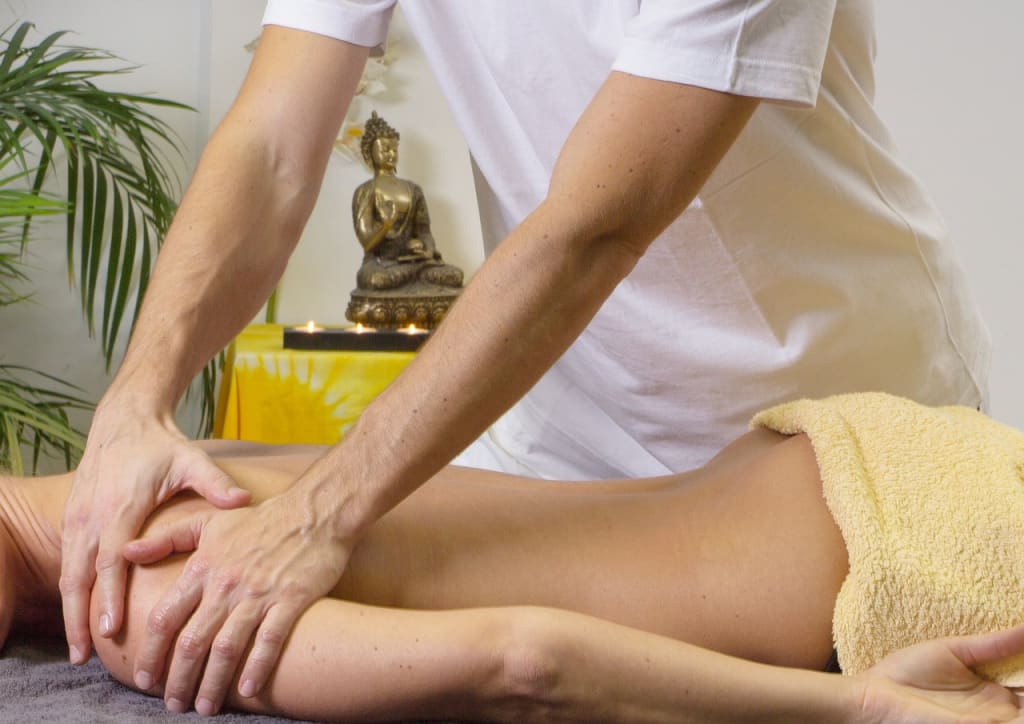
Just as you seek relief from muscular pain, understanding the differences between light touch and deep tissue massage can help you choose the best approach for your needs. While deep tissue massage targets the deeper layers of muscle and connective tissue, light touch focuses on gentle stimulation of the surface muscles and nerves. Each technique offers distinct benefits depending on your condition and sensitivity. This article will guide you through both methods, enabling you to make an informed decision about which massage style aligns best with your path to wellness.
Decoding the Mechanics: How Touch Affects Our Bodies
The Physiology of Massage: Light vs. Deep
Light touch massage primarily engages the superficial layers of your skin and underlying tissues. It activates mechanoreceptors such as Merkel cells and Meissner’s corpuscles, which are highly sensitive to gentle stimuli. This stimulation triggers the parasympathetic nervous system, promoting relaxation and lowering your heart rate and cortisol levels. Research indicates that even brief periods of light stroking—around 3–5 minutes—can significantly increase oxytocin release, enhancing feelings of trust and comfort. Such responses make light massage particularly effective for reducing stress and supporting mental well-being.
Deep tissue massage, by contrast, targets the deeper muscles and fascia, applying sustained, firm pressure to break down adhesions and scar tissue. This type of pressure causes localized trauma to muscle fibers, prompting an inflammatory response important for tissue repair and remodeling. The process also increases blood circulation to the affected areas, delivering oxygen and nutrients vital to healing. Studies demonstrate that deep tissue manipulation can improve muscle function and reduce chronic pain by influencing muscle spindle activity and encouraging neuromuscular re-education.
Psychological Responses: Comfort and Relaxation
The psychological benefits of touch often hinge on the perception of safety and comfort. Light touch massage mimics the gentle caresses experienced in early developmental stages, which may explain its effectiveness in triggering calming neural pathways. When you experience this tender pressure, your brain registers it as non-threatening, leading to the release of endorphins and a dampening of the amygdala's activity, an area involved in processing stress and anxiety. Such effects enhance your mood immediately and can provide lasting relief from mild to moderate anxiety symptoms.
In contrast, deep tissue massage might provoke discomfort or soreness during and after sessions, especially if you aren’t accustomed to firm pressure. While the physiological benefits are robust, the psychological reception varies widely. For those sensitive to pain or with a low threshold for discomfort, this can reduce the overall relaxation response. However, individuals who regularly receive deep massages often report an increased pain tolerance and a powerful sense of post-treatment well-being, likely due to the compensatory surge in dopamine and serotonin after an initial period of mild distress.
Understanding these psychological responses is key when selecting a massage type. Your emotional state, pain sensitivity, and personal preferences determine whether comfort or therapeutic intensity will best support your healing journey. If relaxation and emotional release are your primary goals, lighter touch approaches may better suit your needs by providing a soothing environment that encourages openness and rest.
Efficacy in Treatment: Addressing Common Conditions
Pain Management: Comparing Outcomes
For chronic pain conditions such as fibromyalgia, lower back pain, and tension headaches, light touch massage can provide significant symptomatic relief by activating the parasympathetic nervous system and reducing the production of stress hormones. Studies have shown that patients receiving light touch therapy report reductions in overall pain intensity and anxiety levels. The gentle stimulation encourages increased blood flow and the release of endorphins, which act as natural painkillers, making this technique particularly suitable for individuals with heightened pain sensitivity or nerve-related discomfort.
In contrast, deep tissue massage targets muscle rigidity and trigger points by applying firm pressure and slow strokes that reach deeper layers of muscle and connective tissue. Clinical trials indicate that deep tissue massage can lead to greater improvements in muscle stiffness, range of motion, and localized pain compared to lighter techniques, especially for conditions like delayed onset muscle soreness (DOMS), chronic myofascial pain, and arthritic joint pain. However, the intensity of deep tissue massage means it may not be ideal for those with acute inflammation or significant tissue fragility.
Recovery and Rehabilitation: Different Needs, Different Touches
During post-injury recovery or physical rehabilitation, your choice between light touch and deep tissue massage depends largely on the injury stage and tissue condition. Early recovery phases benefit from light touch because it promotes lymphatic drainage, reduces swelling, and decreases pain without stressing healing tissues. Light touch also supports neural retraining by calming hyperactive sensory nerves and improving proprioception, which can be pivotal after surgeries or nerve injuries.
As rehabilitation progresses and scar tissue forms, deep tissue massage can be introduced to break down adhesions and improve muscle elasticity. Those regaining functional mobility after conditions like frozen shoulder or tendinopathies often find deep tissue techniques facilitate quicker restoration of movement patterns. Athletic recovery protocols frequently alternate between light and deep techniques to balance soothing effects with functional improvements, enhancing overall rehabilitation outcomes.
Client Experience: Preferences and Perceptions
Understanding your personal preferences and how you perceive different massage modalities can significantly influence the outcomes of your treatment. Many clients reveal that their choice between light touch and deep tissue massages often hinges on how each method aligns with their pain tolerance, relaxation needs, and the specific muscular issues they face. Your body’s response during and after the session frequently shapes your overall impression and guides future decisions. In fact, some report that lighter strokes feel more nurturing and easier to integrate into routine self-care, while others acknowledge that deep tissue massage provides a palpable sense of release and intensity that they seek for chronic muscle tension.
Feedback from repeated sessions can be quite telling; clients who initially favored deep tissue due to the promise of deep pressure sometimes shift toward light touch modalities after experiencing the less invasive yet effective approach of myofascial work. This shift often results from a growing awareness that aggressive pressure need not equate to better outcomes. Your subjective experience, including sensations of pain relief, muscle flexibility, and overall comfort, is a critical factor that therapists weigh when customizing your treatment plan.
What Clients Really Want: Survey Insights
Recent surveys of massage clients have unearthed some surprising trends regarding preferences. Approximately 60% of respondents expressed a preference for lighter massage techniques, citing reduced discomfort during sessions and quicker recovery afterward. Many shared that while deep tissue massage can sometimes feel “too intense” or even cause soreness lasting several days, light touch options such as myofascial release provided sustained benefits without the associated downtime.
Interestingly, researchers found that clients who suffered from chronic pain conditions such as fibromyalgia or arthritis frequently opted for a gentler touch. These clients reported that lighter massages reduced hypersensitivity and prevented flare-ups. In contrast, those without chronic conditions or with localized muscle knots tended to choose deeper pressure, motivated by the desire for immediate relief and a sense of muscle unraveling that they found deeply satisfying.
The Role of Therapist Skill and Technique
What often differentiates the effectiveness of light touch versus deep tissue massage is the practitioner’s expertise in assessing and responding to your body’s feedback. Skilled therapists employ nuanced techniques tailored to your unique muscle condition, adjusting pressure levels dynamically rather than adhering to a fixed approach. This adaptability enables a more precise targeting of fascia restrictions and muscular adhesions, regardless of whether they use lighter or deeper strokes.
Therapists trained extensively in myofascial release, for example, focus on subtle, sustained pressure applied along fascial planes, which can yield profound functional improvements without eliciting pain. Conversely, not all deep tissue work maintains this sensitivity; if applied indiscriminately, heavier pressure may provoke muscle guarding or bruising, detracting from long-term relief. You’ll often find that the therapist’s ability to discern tissue response and modulate technique in real-time determines your comfort and therapeutic gains much more than the absolute force used.
Moreover, therapist communication skills profoundly impact your treatment experience. When your practitioner clearly explains each step and encourages your input throughout the session, you’re more likely to feel comfortable voicing preferences or discomfort. This dialogue ensures that the pressure remains within your comfort zone and guarantees that the approach aligns with your goals, whether you seek relaxation, pain mitigation, or enhanced mobility.
Bridging the Gap: Integrating Approaches for Optimal Results
Combining light touch and deep tissue massage techniques can amplify your body's healing response, allowing you to experience comprehensive relief tailored to your specific needs. Often, starting with gentle myofascial release or light stroking helps relax muscles and prepare them for the deeper pressure work that addresses knots and adhesions. This sequential integration supports improved circulation, enhancing oxygen delivery and waste removal in tissues, which can accelerate recovery and reduce soreness post-session.
For individuals managing conditions like fibromyalgia or chronic low back pain, blending these approaches ensures your therapist can adjust pressure dynamically while maintaining comfort. Studies indicate that incorporating light touch before deeper techniques reduces muscle guarding and elevates endorphin levels more effectively than deep tissue massage alone. This integrated method balances stimulation and relaxation, helping you achieve greater flexibility and decreased tension over the course of treatment.
When to Use Light Touch vs. Deep Tissue
Light touch massage shines in scenarios where your muscles are highly sensitive, inflamed, or post-surgical, as it encourages blood flow without exacerbating discomfort. For example, if you’re recovering from an acute injury or experiencing heightened nerve sensitivity, gentle myofascial techniques will soothe without triggering pain responses. Athletes often use light massage immediately before or after intense training to prime muscle groups and expedite recovery while minimizing fatigue.
Deep tissue pressure, by contrast, becomes indispensable when chronic tension has led to palpable knots or trigger points restricting your range of motion. If you sit for extended periods or engage in repetitive motion work, you might develop adhesions that require targeted, firm manipulation to break down scar tissue and increase elasticity. Sessions lasting 30-60 minutes applying slow, focused strokes are effective in reaching these stubborn areas and initiating long-term structural changes.
Customizing Treatments: A Client-Centered Approach
Tailoring massage treatments to your unique physiology and lifestyle is fundamental to achieving lasting results. Your therapist should consider variables such as pain tolerance, medical history, stress levels, and even emotional state to determine the mix of light and deep techniques. For instance, someone managing high anxiety might benefit from more light touch methods initially to calm the nervous system, gradually integrating deeper pressure as trust and relaxation deepen.
Ongoing feedback during sessions is vital for refining techniques to suit your evolving needs. Therapists often invite you to communicate sensations and comfort levels to avoid overstimulation or under-treatment. This collaborative dynamic transforms the massage from a generic service into a personalized therapeutic experience focused on your specific recovery goals and well-being.
Additional customization might include focusing on particular body areas more prone to tension due to your job or exercise regimen, using tools like aromatherapy or heat packs in tandem with massage strokes, and adjusting session frequency to optimize outcomes. The ability to adapt elements of each treatment ensures you remain engaged and motivated throughout your healing journey.
The Future of Massage Therapy: Trends and Research Directions
Evidence-Based Practices: What the Studies Say
Recent years have seen a surge in scientific investigations aiming to quantify the benefits of various massage techniques. For example, clinical trials comparing light touch and deep tissue modalities reveal nuanced outcomes depending on the condition treated. Mild to moderate chronic pain conditions often respond favorably to Swedish-style light touch massage, which enhances circulation and relaxation without triggering pain receptors. Conversely, conditions like fibromyalgia and myofascial pain syndrome frequently demonstrate greater improvement with targeted deep tissue interventions designed to release tight muscle adhesions.
You might explore the contrast between these therapies further by checking out detailed analyses like those found at Swedish vs. Deep Tissue Massage | Key Differences & Insights. These resources dissect mechanisms, appropriate indications, and patient preferences, allowing you to make informed choices tailored to your unique needs. Understanding the evidence-backed indications for each type helps you optimize therapeutic outcomes and avoid ineffective treatments.
Innovations in Technique: Beyond the Traditional
Massage therapy continues to evolve beyond classic methods, integrating novel approaches that blend manual techniques with technological enhancements. For instance, some practitioners incorporate instrument-assisted soft tissue mobilization (IASTM), using specialized tools to detect and treat fascial restrictions more precisely than fingers alone. Additionally, innovations such as neurodynamic mobilizations aim to influence peripheral nerve function alongside muscular release, addressing complex pain patterns holistically.
These advancements don't just refine the physical mechanics of massage but also harness new understandings of body-mind connectivity. Techniques incorporating mindfulness, breath work, and even vibrational therapy are gaining traction, recognizing how sensory input modulates pain perception and tissue healing. Such integrative practices broaden the scope of benefits and may complement traditional deep tissue or myofascial modalities for enhanced patient outcomes.
Looking forward, expect to see further integration of biofeedback devices and wearable technology that provide real-time data on tissue response during massage sessions. This next generation of treatment promises to personalize therapy even more precisely, adapting pressure, rhythm, and duration dynamically according to how your muscles and fascia respond. As research deepens, you’ll find a growing array of evidence-based tools designed to optimize recovery, relaxation, and pain reduction in increasingly tailored ways.
Final Thoughts
As a reminder, when deciding whether Light Touch or Deep Tissue Massage is more effective, it largely depends on your specific needs and the nature of your muscular discomfort. Light Touch massage offers gentle, soothing strokes that can help relax superficial muscles and improve circulation, making it a great option for stress relief and mild muscle tension. On the other hand, Deep Tissue Massage targets the deeper layers of muscle and fascia, which can be particularly beneficial if you are dealing with chronic pain, tight knots, or injuries that require more intensive therapy.
You should consider your body’s response and the advice of a qualified therapist when choosing between these techniques, as each has unique advantages. While Light Touch massage promotes relaxation and mild muscle relief, Deep Tissue Massage is often preferred for breaking down adhesions and promoting long-term healing in muscular tissue. Understanding these differences will empower you to make an informed choice that best supports your recovery and overall well-being.
About the Creator
Keep reading
More stories from Reiki Massage Metaphysical Healing Service and writers in Longevity and other communities.
7 Proven Neuroplastic Benefits of Regular Reiki Practice
Reiki practice supports neuroplasticity by calming the nervous system Neuroplasticity refers to the brain’s ability to rewire itself in response to experience. Every time you learn a new skill or stop an old habit, your brain physically changes. For people recovering from trauma or managing chronic stress, this plasticity becomes the difference between staying stuck and making real, long-lasting progress. But the key to activating it isn’t willpower—it’s safety. Reiki helps create that safety in the nervous system, which opens the door for the brain to adapt and heal.
By Reiki Massage Metaphysical Healing Service10 months ago in Longevity
The Invisible Full-Time Job: Living With Chronic Pain While Trying to Keep Life Together
Most people think of a job as something you clock in and out of. A defined place where effort produces results. But when you live with chronic pain, you are working a second job every day—one that no one can see.
By Navigating the Worlda day ago in Longevity
Becca
"Everything is so... flat." Denille said stupidly as she looked around her new neighborhood. She looked around at the muted desert where even the smallest sign of life seemed to have given up. The plant life was shrubs that were half cooked by the heat and where there should have been a lawn, a mess of white rocks laid glistening in the sun. Even the sky looked stretched thin, like the sun had ironed it smooth. She’d moved from Riverside, where at least there were hills, but here in Barstow, everything felt baked and brittle.
By Sara Wilson7 days ago in Fiction



Comments