
Is Delayed Pain After Tooth Extraction Normal
Tooth extraction is a frequent dental treatment that removes a tooth from its socket in the bone. This procedure permits the gums and surrounding tissues to recover, whether from rotting, overcrowding, or injury.

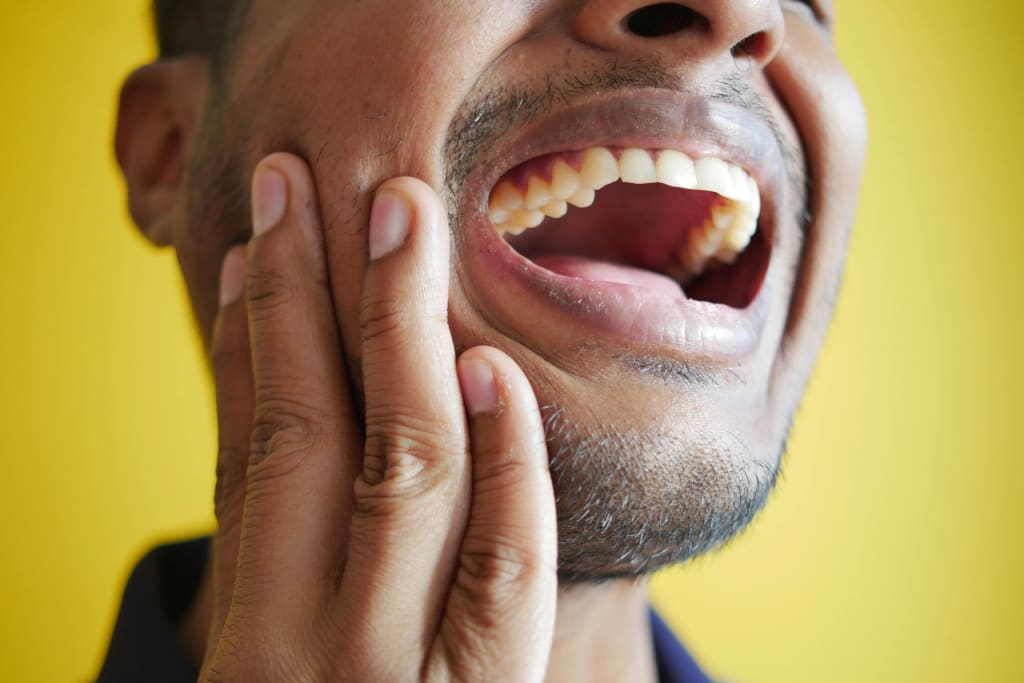
Tooth extraction is a frequent dental treatment that removes a tooth from its socket in the bone. This procedure permits the gums and surrounding tissues to recover, whether from rotting, overcrowding, or injury.
Typically, you will feel some soreness and swelling for a few days, but this should lessen as the healing process continues. By day 7, most people see a significant reduction in discomfort. However, if the discomfort lasts more than a week, it is critical to seek medical assistance.
Let's investigate why this could be happening.
Common Causes of Tooth Extraction Pain After 7 Days
1. Dry Socket
A dry socket is a frequent source of discomfort after tooth extraction that typically resolves within seven days. A dry socket occurs when the naturally formed blood clot in the socket dissolves or dislodges before the healing process is complete, exposing the underlying nerves and bone. This might result in agonizing pain and delay the healing process.
Dry socket symptoms include:
- Intense pain that spreads to your ear or eye from the extraction location;
- A noticeable hollow with exposed bone;
- Bad breath or an unpleasant aftertaste.
2. Infection
If discomfort persists after seven days, it may indicate an infection. Bacteria may infiltrate the extraction site and cause infection, particularly if sufficient post-extraction treatment was not provided. Infection symptoms include edema, fever, pus surrounding the extraction site, and persistent throbbing pain.
3. Insufficient healing
The healing process might be delayed for a variety of reasons, including poor dental hygiene, smoking, or underlying health issues. If the extraction site does not heal properly, the discomfort may last longer than expected.
4. Bone Fragments and Tissue Damage
Occasionally, microscopic bone pieces or damaged tissue may remain at the extraction site, causing discomfort or suffering after a week. A dentist may need to remove these pieces in order for healing to occur properly.
5. Nerve Damage
Nerve injury, albeit uncommon, can cause chronic discomfort following a tooth extraction. If the treatment caused nerve damage around the extraction site, you may have persistent numbness, tingling, or shooting pain. This is more common in cases where wisdom teeth or molars are extracted.
Solutions to Teeth Extraction Pain After 7 Days
- Visit your dentist
The first and most crucial step is to book an appointment with your dentist. If you have a dry socket, an infection, or another underlying problem, your dentist can give therapy to encourage recovery. They may clean the extraction site, provide antibiotics, or suggest pain management techniques to aid with healing. Your dentist can examine the problem and provide personalized recommendations.
- OTC pain relief
Over-the-counter pain relievers such as ibuprofen or acetaminophen can help relieve discomfort while you wait for your dental visit. Follow the appropriate dosage and avoid aspirin, which might interfere with coagulation and cause bleeding to last longer;
- Cold compress
Applying a cool compress to the outside of your cheek will help decrease swelling and relieve discomfort. This is especially useful for controlling post-extraction discomfort in the days after the surgery.
- Salt water rinses
Rinsing your mouth with warm salt water can help keep the extraction site clean and decrease microorganisms that may cause illness. Swish the fluid carefully so as not to upset the healing socket.
- Avoid smoking and alcohol
Smoking or drinking alcohol can impede the healing process and increase the likelihood of developing issues such as dry sockets. For optimum recovery, avoid these activities for at least two weeks after extraction.
When Should I See a Dentist?
It is critical to monitor your symptoms during the healing phase. If the pain is severe, increases after a few days, or is accompanied by swelling, pus, or fever, contact your dentist. Early intervention can help prevent problems and speed up recovery.
Tips For a Smooth Recovery Following Tooth Extraction
Here are some crucial guidelines for a smooth recovery following tooth extraction and reducing the likelihood of enduring chronic pain:
- Rest and recovery
Take it easy throughout the first several days;
- Physical activity
It can promote recovery;
- Follow the aftercare instructions
Your dentist will give you precise aftercare instructions, such as what to eat, how to care for the extraction site, and when to return for a checkup;
- Stay hydrated
Drinking enough of water might assist to flush out germs and keep your body in healing mode;
- Soft diet
To prevent aggravating the extraction site, limit your intake to soft, tooth-friendly foods such as yogurt, mashed potatoes, and smoothies.
About the Creator
Amelia Grant
I am journalist, and blogger.
Keep reading
More stories from Amelia Grant and writers in Longevity and other communities.
8 Mistakes People Make When Treating Lower Back Pain
Lower back pain is a sign that one of the structures of the spine is no longer functioning properly. The lumbar spine is made up of vertebrae, herniated discs, joints, ligaments, muscles, and nerves. If just one element is not functioning properly, it can cause discomfort, limited mobility, and a significant reduction in quality of life. It is important to understand that any lower back pain requires careful attention and, if necessary, a medical consultation.
By Amelia Grant2 months ago in Longevity
Day 4 of Quitting
If this is how sobriety feels, maybe it’s better to go through life a little buzzed… this, along with other hits like, I want to kill myself, I wish I was dead, and I’m going to throw myself off a bridge have been the only thoughts on rotation these past few days. I promise myself that if, in a month, I still feel like this (‘this’ meaning despondent, full of rage, and simultaneously numb) I can go back to smoking. Until mid-February though? Nicotine is off the table.
By sleepy drafts4 days ago in Longevity


Comments
There are no comments for this story
Be the first to respond and start the conversation.