
Invisalign: Revolutionizing Orthodontic Treatment with Clear Aligners
Clear aligners from Invisalign revolutionize orthodontics.
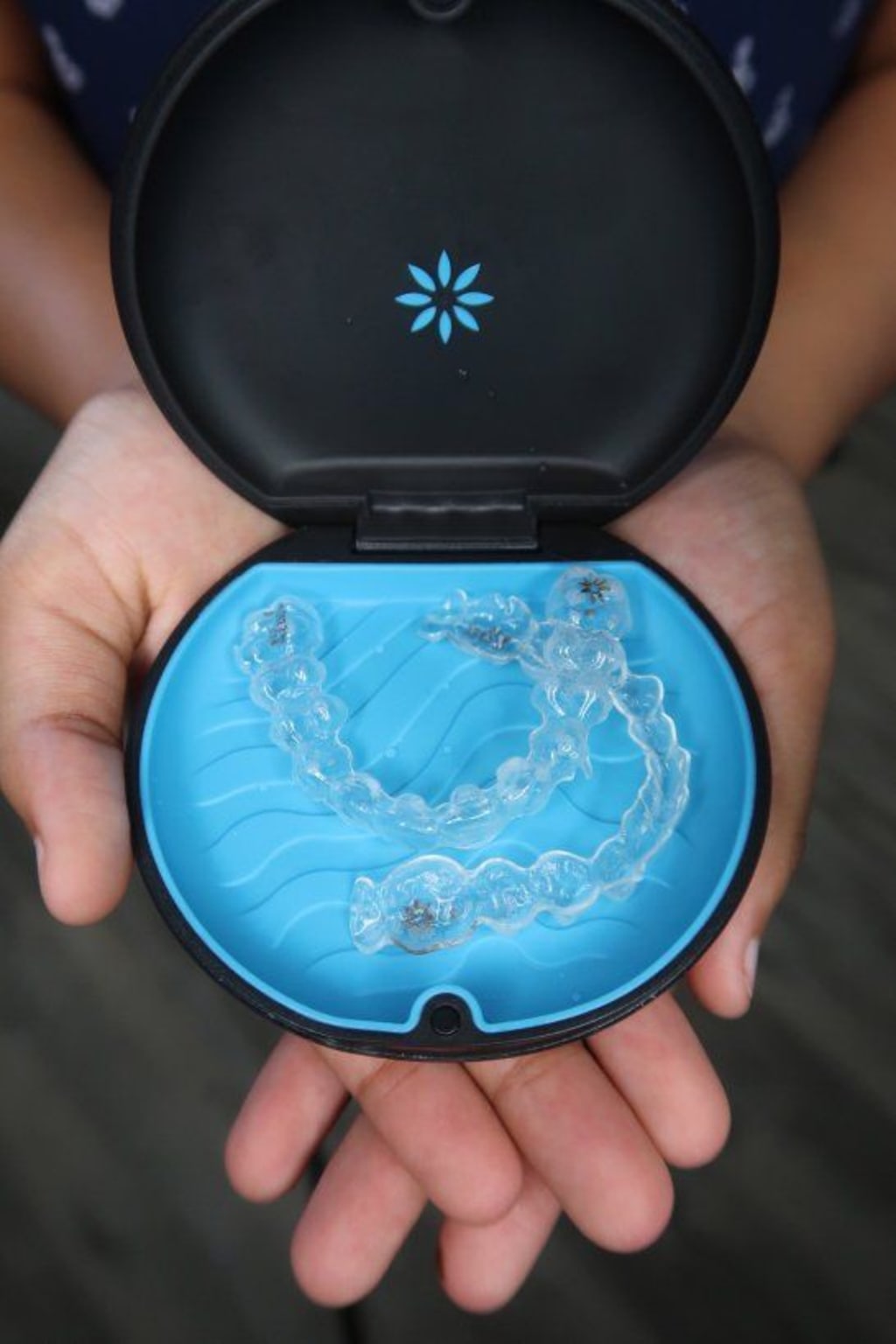
Invisalign, a groundbreaking orthodontic treatment, has transformed the way people straighten their teeth and achieve a confident smile. Developed by Align Technology in 1997, Invisalign introduced a revolutionary alternative to traditional braces by utilizing clear aligners that are virtually invisible. This article delves into the history, process, benefits, and Effectiveness of Invisalign, as well as its impact on orthodontics and patient experiences. By offering a discreet and comfortable solution for correcting teeth misalignment, Invisalign has gained immense popularity among individuals seeking a more aesthetically pleasing and convenient orthodontic treatment.
1. The Evolution of Invisalign:
• Early Development:
- Align Technology's pioneering work in orthodontics.
- The conception and initial design of Invisalign aligners.
- Overcoming technological challenges to create effective clear aligners.
• Advancements and Growth:
- Improvements in aligner material and design.
- Introduction of 3D computer imaging technology.
- Expansion of Invisalign's product range and treatment capabilities.
2. How Invisalign Works:
• Initial Consultation:
- Comprehensive dental examination and evaluation.
- Utilization of digital imaging and X-rays.
- Discussion of treatment goals and expectations.
• Customized Treatment Plan:
- Digital impressions and creation of 3D models.
- Development of a personalized treatment strategy.
- Visualization of the teeth straightening process.
• Aligner Fabrication and Treatment Progression:
- State-of-the-art manufacturing process for aligners.
- Incremental series of aligners for gradual tooth movement.
- Regular progress check-ups and modifications if needed.
• Treatment Duration and Retention:
- The average length of an Invisalign treatment.
- Retainers and follow-up care to maintain the results.
- Potential refinements for additional improvements.
3. Advantages of Invisalign:
• Aesthetic Appeal:
- Clear aligners that are virtually invisible.
- Boosting self-confidence during the treatment period.
- Maintaining a natural smile without the use of metal braces.
• Comfort and Convenience:
- Smooth and comfortable aligners without sharp edges.
- Removability for eating, brushing, and special occasions.
- No dietary restrictions typically associated with braces.
• Oral Hygiene and Health:
- Easy maintenance through regular oral hygiene routines.
- Reduced risk of tooth decay and gum disease.
- No obstructions during brushing and flossing.
• Enhanced Predictability and Treatment Control:
- Precise treatment planning through advanced technology.
- Visualized treatment outcome before starting.
- Potential for faster treatment completion.
4. Effectiveness and Considerations:
• Treatable Orthodontic Issues:
- Mild to moderate malocclusions that can be corrected.
- Addressing gaps, crowding, crossbites, and more.
- Collaboration with orthodontists for complex cases.
• Compliance and Responsibility:
- Wearing aligners for the recommended duration daily.
- Proper care and maintenance of aligners.
- Following instructions from the orthodontist.
• Limitations and Suitability:
- Not suitable for severe orthodontic cases.
- Certain tooth movements may be more challenging.
- Age restrictions and limitations for young children.
5. Invisalign's Impact on Orthodontics:
• Changing the Orthodontic Landscape:
- Shifting preferences towardsdiscreet orthodontic solutions.
- Increased demand for clear aligner treatments.
- Expansion of orthodontic practices offering Invisalign.
• Advancements in Technology and Research:
- Continued innovation in aligner materials and designs.
- Integration of AI and machine learning in treatment planning.
- Collaborative efforts between Align Technology and orthodontists.
• Patient Experience and Satisfaction:
- Positive feedback from patients regarding comfort and aesthetics.
- Higher treatment acceptance among adults and teenagers.
- Improved patient engagement and involvement in treatment.
Invisalign has revolutionized orthodontic treatment by offering a discreet, comfortable, and effective alternative to traditional braces. With its clear aligners and advanced technology, Invisalign has transformed the way people approach teeth straightening, enhancing both aesthetics and oral health. The customizable treatment plans, convenience, and positive patient experiences have contributed to its widespread popularity. However, it is important to recognize the limitations and suitability of Invisalign for different orthodontic cases. As technology continues to advance and research expands, Invisalign is likely to play an increasingly significant role in orthodontics, benefiting individuals seeking a straighter smile without compromising their appearance or lifestyle.
About the Creator
Day 4 of Quitting
If this is how sobriety feels, maybe it’s better to go through life a little buzzed… this, along with other hits like, I want to kill myself, I wish I was dead, and I’m going to throw myself off a bridge have been the only thoughts on rotation these past few days. I promise myself that if, in a month, I still feel like this (‘this’ meaning despondent, full of rage, and simultaneously numb) I can go back to smoking. Until mid-February though? Nicotine is off the table.
By sleepy drafts18 days ago in Longevity
Global Biotechnology Market Size and Forecast 2025–2033: Innovation Reshaping the Future of Science, Healthcare, and Industry
Global Biotechnology Market Outlook The global biotechnology market stands at the center of one of the most transformative scientific revolutions of the modern era. Biotechnology, which applies biological systems, organisms, and derivatives to develop products and technologies, has moved far beyond traditional laboratory research. Today, it powers breakthroughs in healthcare, agriculture, environmental protection, and industrial manufacturing, influencing how societies address some of the world’s most pressing challenges.
By Renub Research4 days ago in Longevity


Comments