
"Intermittent Fasting: A Comprehensive Guide to Unlocking Weight Loss and Wellness"
Harnessing the Power of Time: A Comprehensive Guide to Intermittent Fasting for Weight Loss and Wellness
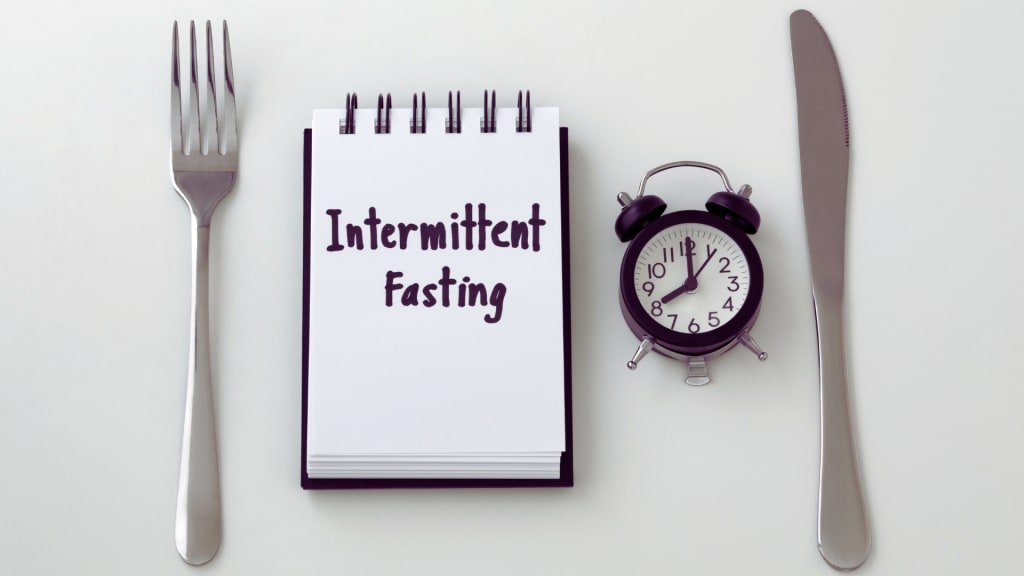
In a world where fad diets come and go, intermittent fasting has emerged as a powerful approach to not only shedding unwanted pounds but also improving overall well-being. It's not just another diet trend; it's a lifestyle choice that harnesses the natural rhythms of your body to unlock weight loss and promote holistic health. Get ready to embark on a transformative journey as we explore the ins and outs of intermittent fasting, equipping you with the knowledge and inspiration to embrace this lifestyle and unlock a healthier, happier you.
What is Intermittent Fasting?
Intermittent fasting is not a diet in the traditional sense but rather an eating pattern that cycles between periods of fasting and eating. It's about when you eat rather than what you eat. By extending the time between meals, you give your body a chance to tap into its fat stores for energy, leading to weight loss. But intermittent fasting offers more than just weight management; it has been linked to a wide range of health benefits, including improved insulin sensitivity, enhanced brain function, and increased longevity.
Different Intermittent Fasting Methods:
There are several approaches to intermittent fasting, allowing you to find a method that suits your lifestyle and preferences. Here are a few popular ones:
16/8 Method: This involves fasting for 16 hours each day and restricting your eating window to 8 hours. Most people find it convenient to skip breakfast and start eating around noon, finishing their last meal by 8 p.m.
5:2 Diet: With this approach, you eat normally for five days of the week and restrict calorie intake to 500-600 calories on the remaining two non-consecutive days.
Alternate-Day Fasting: As the name suggests, you alternate between days of regular eating and days of fasting. On fasting days, calorie intake is restricted to around 500 calories.
Eat-Stop-Eat: This method involves fasting for a full 24 hours once or twice a week, typically from dinner to dinner or lunch to lunch.
The Benefits of Intermittent Fasting:
Beyond weight loss, intermittent fasting offers a multitude of benefits that can positively impact your overall well-being:
Increased Fat Burning: During fasting periods, your body taps into its fat stores as a source of energy. This can lead to significant weight loss and a decrease in body fat percentage.
Improved Insulin Sensitivity: Intermittent fasting has been shown to enhance insulin sensitivity, helping regulate blood sugar levels and reducing the risk of type 2 diabetes.
Enhanced Brain Function: Fasting promotes the production of brain-derived neurotrophic factor (BDNF), a protein that supports the growth and protection of neurons, improving cognitive function and reducing the risk of neurodegenerative diseases.
Cellular Repair and Autophagy: Fasting triggers a cellular repair process called autophagy, where damaged cells are cleared out and recycled. This process promotes longevity and may have anti-aging effects.
Reduced Inflammation: Intermittent fasting has been associated with decreased levels of inflammation in the body, potentially reducing the risk of chronic diseases such as heart disease and cancer.
Incorporating Intermittent Fasting into Your Life:
While intermittent fasting can be an effective tool for weight loss and wellness, it's essential to approach it with mindfulness and a focus on nourishment. Here are some tips to help you integrate intermittent fasting into your lifestyle:
Start Slowly: If you're new to intermittent fasting, begin with a more manageable fasting period, such as the 16/8 method, and gradually work your way up to longer fasting windows.
Stay Hydrated: During fasting periods, it's crucial to stay hydrated. Drink plenty of water throughout the day to support your body's functions and help curb hunger.
Listen to Your Body: Pay attention to how your body responds to intermittent fasting. If you feel lightheaded, dizzy, or overly fatigued, it may be a sign that you need to adjust your fasting window or consult with a healthcare professional.
Focus on Nutrient-Dense Foods: When you break your fast, prioritize nutrient-dense foods that nourish your body. Include plenty of fruits, vegetables, lean proteins, healthy fats, and whole grains in your meals to ensure you're meeting your nutritional needs.
Practice Mindful Eating: When it's time to eat, savor each bite and practice mindful eating. Slow down, chew your food thoroughly, and be present in the moment. This can enhance your enjoyment of meals and help you recognize feelings of satiety.
Combine Intermittent Fasting with Exercise: Intermittent fasting can be complemented by regular physical activity. Engage in a combination of cardiovascular exercises, strength training, and flexibility exercises to support overall fitness and weight loss goals.
Prioritize Sleep and Stress Management: Getting enough sleep and managing stress are crucial components of a healthy lifestyle. Prioritize restful sleep and incorporate stress-reducing practices such as meditation, deep breathing, and engaging in activities you enjoy.
Seek Professional Guidance: If you have underlying health conditions or concerns, it's advisable to consult with a healthcare professional before starting intermittent fasting. They can provide personalized advice based on your specific needs and help ensure you're approaching it in a safe and effective manner.
Remember, intermittent fasting is not a one-size-fits-all approach. It's important to find a fasting pattern that works best for you and aligns with your lifestyle and goals. Be patient and give your body time to adjust to this new way of eating. Embrace the journey of self-discovery, as intermittent fasting has the potential to not only transform your body but also cultivate a sense of empowerment and mindful living.
As you embark on your intermittent fasting journey, keep in mind that it's about finding balance, nourishing your body, and embracing a sustainable approach to health and well-being. By unlocking the power of intermittent fasting, you have the opportunity to not only achieve weight loss but also enhance your overall vitality and discover a newfound sense of vitality and wellness. So, embrace the possibilities, honor your body, and unlock the transformative benefits of intermittent fasting.
About the Creator
Keep reading
More stories from Carmen Galloway and writers in Longevity and other communities.
"From Couch to 5K: A Beginner's Guide to Running for Fitness
Are you tired of spending hours sitting on the couch, longing for a healthier and more active lifestyle? Do you dream of effortlessly gliding through the park, feeling the wind in your hair and the exhilaration of a strong, fit body? Well, my friend, it's time to lace up those sneakers and embark on a journey that will not only transform your physical health but also uplift your spirit and invigorate your soul. Welcome to the world of running!
By Carmen Galloway3 years ago in Longevity
20 Tested and Proven Longevity Hacks
Many people can avoid certain health problems simply with shifting their choices. They buy the supplements, read the articles, and watch the documentaries about Blue Zones and nod along like they learned something. Then they go back to poor sleeping habits, eating garbage, sitting for ten hours, and wondering why their energy is destroyed by 2pm.
By Destiny S. Harrisabout 18 hours ago in Longevity
A Planetary Alignment will coincide with Mercury Retrograde
Double phenomena in the heavens Some people say in jest that the planets have aligned in their favor when life works the way they desire. Were you aware that there are seasons when things do line up in the heavens? There will be a planetary alignment AKA a planet parade, on February 28, 2026.
By Cheryl E Preston6 days ago in FYI




Comments
There are no comments for this story
Be the first to respond and start the conversation.