

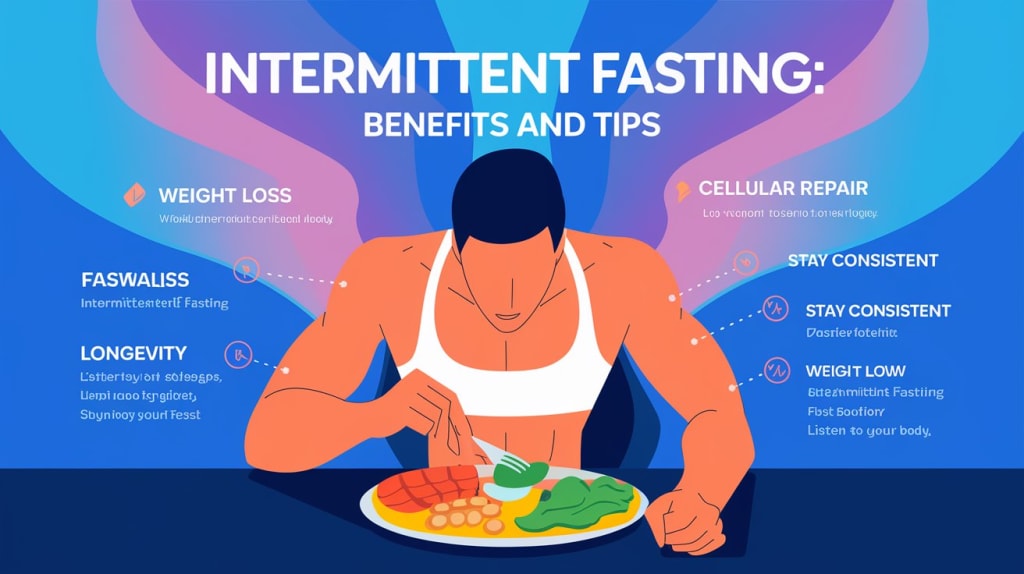
Intermittent fasting has emerged as one of the most popular and scientifically-supported approaches to weight management and overall health improvement. This comprehensive guide explores the benefits of intermittent fasting, with a special focus on its effects on belly fat reduction, along with practical tips for success.
Understanding Intermittent Fasting
Intermittent fasting (IF) isn't just another diet—it's an eating pattern that cycles between periods of fasting and eating. Rather than specifying which foods to eat, it focuses on when you should eat them. This approach has gained substantial attention for its potential health benefits and effectiveness in weight management.
The Science Behind Belly Fat Reduction
Belly fat, also known as visceral fat, is particularly concerning because it surrounds vital organs and can lead to various health issues. Here's how intermittent fasting specifically targets belly fat:
For more details on this topic?
Hormonal Impact
- Intermittent fasting lowers insulin levels, making stored body fat more accessible for energy use
- Increases human growth hormone (HGH), which aids in fat loss and muscle gain
- Triggers the release of norepinephrine, a fat-burning hormone
Metabolic Changes
- Enhances metabolic flexibility, allowing your body to switch between burning carbs and fat
- Improves insulin sensitivity, reducing fat storage
- Increases the thermal effect, leading to more calories burned
Caloric Reduction
- Creates a natural calorie deficit without strict counting
- Reduces the eating window, often leading to lower overall calorie intake
- Helps maintain muscle mass while losing fat
Additional Benefits of Intermittent Fasting
Beyond belly fat reduction, intermittent fasting offers numerous health benefits
Cellular Repair
The fasting period triggers cellular repair processes, including autophagy, where cells break down and remove damaged components.
Brain Health
Research suggests IF may support brain health by increasing BDNF levels, a protein that promotes neural health and may protect against neurodegenerative diseases.
Inflammation Reduction
Regular fasting periods can help reduce inflammatory markers in the body, potentially lowering the risk of various chronic diseases.
Popular Intermittent Fasting Methods
1. 16/8 Method
- Fast for 16 hours
- Eat during an 8-hour window
- Most popular and sustainable approach
2. 5:2 Diet
- Normal eating five days per week
- Restricted calories (500-600) two non-consecutive days
3. Eat-Stop-Eat
- 24-hour fasts once or twice per week
- Return to normal eating between fasts
For more details on this topic?
Tips for Success
1. Start Gradually
- Begin with shorter fasting periods
- Gradually extend fasting duration as your body adapts
2. Stay Hydrated
- Drink plenty of water during fasting periods
- Include electrolytes if fasting for extended periods
3. Break Fasts Wisely
- Start with light, easily digestible foods
- Avoid overeating when breaking your fast
Frequently Asked Questions
1. Can I drink coffee during fasting?
Yes, black coffee without added sugar or cream is allowed during fasting periods. It can actually help suppress hunger and boost metabolism.
2. Will intermittent fasting cause muscle loss?
No, when done correctly and combined with adequate protein intake during eating windows, IF can preserve muscle mass while promoting fat loss.
3. How long does it take to see results?
Most people notice initial changes within 2-3 weeks, with more significant results appearing after 8-12 weeks of consistent practice.
4. Can women practice intermittent fasting?
Yes, but women may need to take a more gradual approach and use modified fasting schedules due to hormonal considerations.
For more details on this topic?
5. Is it safe to exercise while fasting?
Yes, many people successfully exercise while fasting. However, it's important to listen to your body and adjust workout intensity as needed.
6. Will intermittent fasting slow down my metabolism?
No, short-term fasting has been shown to actually boost metabolic rate by 3.6-14% when done correctly.
7. Can I take medications while fasting?
Most medications can be taken while fasting, but consult your healthcare provider, as some may need to be taken with food.
8. Does sleeping count as fasting time?
Yes, sleeping hours count toward your fasting period, which is why many people choose to align their fasting window with sleep time.
9. Can I chew gum while fasting?
Sugar-free gum is generally considered acceptable during fasting, though some purists prefer to avoid it.
10. Is intermittent fasting suitable for everyone?
While IF can be beneficial for many, it's not recommended for pregnant women, people with eating disorders, or those with certain medical conditions. Always consult a healthcare provider before starting.
For more details on this topic?
Conclusion
Intermittent fasting offers a practical and effective approach to reducing belly fat and improving overall health. By understanding the science behind it and following proper guidelines, you can maximize its benefits while maintaining a sustainable lifestyle change. Remember to start gradually and listen to your body as you incorporate this powerful tool into your health journey.
Remember to consult with a healthcare professional before starting any new dietary program, especially if you have underlying health conditions or concerns.
About the Creator
K. B.
Dedicated writer with a talent for crafting poetry, short stories, and articles, bringing ideas and emotions to life through words.
Scientists Are Shocked: This “Boring” Lifestyle Secret Might Be the Real Key to Living Longer
When people search for ways to live longer, they often expect something groundbreaking—a newly discovered supplement, a futuristic treatment, or a secret used by the ultra-wealthy. The idea that longevity could come down to simple, everyday habits feels almost disappointing.
By Lukáš Hrdlička7 days ago in Longevity
Green Tea: A Cup Full of Wellness 🌿 (Health Tips)
Introduction Green tea is more than just a warm and relaxing drink — it is one of the most loved natural beverages in the world. It is made from the leaves of the plant (Camellia sinensis) a plant known for its rich antioxidants and healing properties.
By Health Tips3 days ago in Longevity


Comments
There are no comments for this story
Be the first to respond and start the conversation.