
Intermittent Fasting: 5 Steps to Health Transformation
No idea how to start Intermittent Fasting? Discover the Steps to Effective Weight Loss and Improved Well-Being
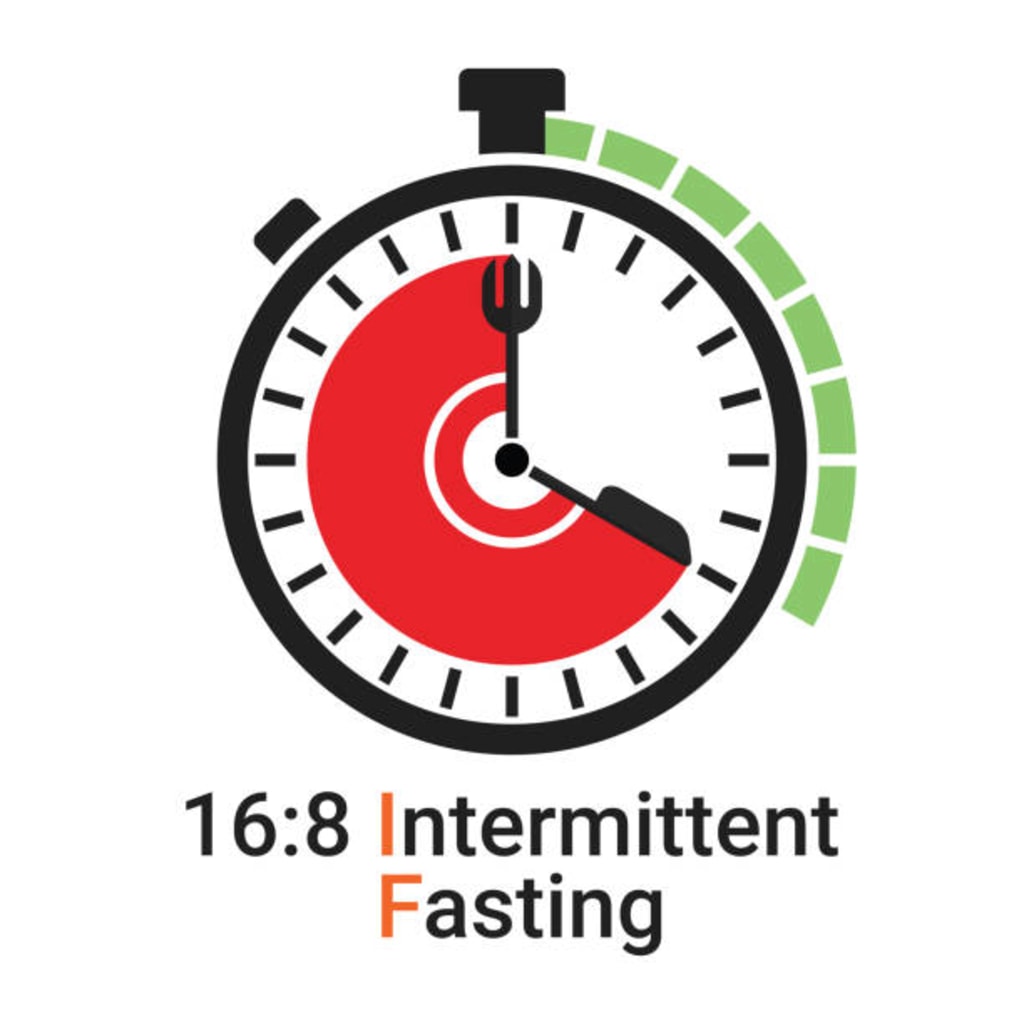
Intermittent fasting has gained significant popularity as an effective weight loss and health optimization strategy. By strategically timing periods of eating and fasting, intermittent fasting offers a flexible and sustainable approach to improving metabolic health, promoting weight loss, and boosting overall well-being. In this article, we will explore the fundamental steps of intermittent fasting and provide guidance on incorporating this lifestyle practice into your routine.
Step 1: Choose the Fasting Window:
The first step in intermittent fasting is to determine your fasting window—the period of time during which you will abstain from consuming calories. There are various fasting protocols to choose from, including:
16/8 Method: This method involves fasting for 16 hours and restricting your eating window to 8 hours each day. For example, you may choose to eat from 12:00 PM to 8:00 PM and fast from 8:00 PM to 12:00 PM the next day.
5:2 Method: With this approach, you eat normally for five days of the week and restrict your calorie intake to 500-600 calories for two non-consecutive days.
Alternate-Day Fasting: As the name suggests, you alternate between fasting days (consuming very few calories or none at all) and regular eating days.
Choose a fasting window that aligns with your lifestyle and preferences, ensuring it is sustainable in the long run.
Step 2: Hydrate and Nourish During Fasting Hours:
During your fasting window, it is crucial to stay hydrated. Drink plenty of water, herbal tea, or black coffee to keep your body hydrated and stave off hunger. Avoid adding any sweeteners or creamers to your beverages, as they can break your fast.
Additionally, consuming electrolytes and vitamins during fasting hours can support your body's needs. Consider including a multivitamin or electrolyte-rich foods like leafy greens, avocados, and nuts in your eating window.
Step 3: Make Mindful Food Choices:
During your eating window, focus on making nutrient-dense food choices to support your overall health. Include a balance of macronutrients—protein, carbohydrates, and healthy fats—and emphasize whole, unprocessed foods. Opt for lean proteins, whole grains, fruits, vegetables, and healthy fats like nuts, seeds, and olive oil.
Avoid excessive consumption of refined sugars, processed foods, and sugary beverages, as they can undermine the benefits of intermittent fasting and negatively impact your health goals.
Step 4: Listen to Your Body:
One of the key aspects of intermittent fasting is paying attention to your body's signals. If you experience intense hunger or discomfort during your fasting window, consider adjusting your fasting schedule or seeking guidance from a healthcare professional.
Remember, intermittent fasting is not suitable for everyone, including pregnant or breastfeeding women, individuals with certain medical conditions, or those with a history of disordered eating. It's important to consult with a healthcare provider before starting any fasting regimen.
Step 5: Stay Consistent and Adapt as Needed:
Consistency is key when practicing intermittent fasting. Aim to stick to your chosen fasting window and eating pattern consistently over time to reap the benefits. However, remain flexible and willing to adapt your fasting schedule as needed to accommodate changes in your routine or personal circumstances.
Intermittent fasting offers a flexible and effective approach to weight loss and overall health improvement. By following the steps outlined in this article—choosing a fasting window, staying hydrated, making mindful food choices, listening to your body, and maintaining consistency—you can harness the power of time-restricted eating and embark on a transformative journey towards better well-being. As always, consult with a healthcare professional to ensure intermittent fasting is suitable for your individual needs and circumstances.
About the Creator
Keep reading
More stories from writers in Longevity and other communities.
Day 4 of Quitting
If this is how sobriety feels, maybe it’s better to go through life a little buzzed… this, along with other hits like, I want to kill myself, I wish I was dead, and I’m going to throw myself off a bridge have been the only thoughts on rotation these past few days. I promise myself that if, in a month, I still feel like this (‘this’ meaning despondent, full of rage, and simultaneously numb) I can go back to smoking. Until mid-February though? Nicotine is off the table.
By sleepy drafts18 days ago in Longevity
Saudi Arabia Vision Care Market Size and Forecast 2025–2033
Saudi Arabia Vision Care Market Outlook The Saudi Arabia Vision Care Market is undergoing a steady transformation driven by demographic shifts, lifestyle changes, and ambitious healthcare reforms under Vision 2030. According to Renub Research, the market is expected to grow from US$ 899.58 million in 2024 to US$ 1,292.62 million by 2033, registering a CAGR of 4.11% from 2025 to 2033.
By Sushant. Renub Researcha day ago in Longevity




Comments
There are no comments for this story
Be the first to respond and start the conversation.