
Improve intestinal health, starting from how to eat
Gut health

The intestine is known as the "second brain" of the human body. It is the most important immune organ of the human body in addition to digestion and absorption. The intestine is the most sensitive and delicate human organ besides the brain. The human body has 70% immunity. All come from the intestines.
In the intestine, there are a lot of lymphoid tissues, and the mucosa of the intestinal wall protects the health of the intestine. In the intestinal wall, there are more than 100 million neurons that can act independently. Therefore, once the intestine has problems, it will directly affect the brain.
The normal human body has millions of active microorganisms, forming a unique and complete ecosystem, and more than 90% of the diseases in the human body are related to the intestines, such as metabolic diseases, tumors, cancers, central system, and digestion. System, etc., intestinal health is positively related to the overall health of the person.
For the elderly, maintaining intestinal health is even more important.
With the continuous growth and improvement of human body functions, the level of probiotics in the intestinal tract will gradually become aging. Especially for the elderly, most of the elderly have chronic diseases and need long-term medication, and long-term medication will have side effects. Therefore, if the elderly want to live a healthy and long life, in addition to having a healthy lifestyle, they also need to establish a concept of "combined medication to protect the intestinal tract" to minimize damage to the intestinal tract.
So, how do you judge whether your intestines are healthy? In fact, it can be identified from the following aspects:
Intestinal function symptoms
After the human body consumes food, it is mainly digested and absorbed through the small intestine, but if indigestion often occurs, it will be intolerant to many foods. For example, abdominal pain and diarrhea after drinking milk indicates lactose intolerance. Especially some foods that are high in fat, cold and raw, etc., will also experience abdominal pain, diarrhea, and bloating after eating.
When you often have symptoms such as bloating, abdominal pain, diarrhea, weight loss, and rapid weight loss in a short period of time, you must go to the hospital for a detailed examination to determine the cause of indigestion and make a clear diagnosis.
Feedback on stool status
Stool is an important item that intuitively reflects whether the intestines are healthy. Normal people defecate 1-2 times a day, or once every two days. The stools of healthy adults are mostly yellowish-brown, cylindrical, soft stools, and there is no obvious foul smell. .
When the stool is abnormal, there will be changes in the number of bowel movements, shape, color, smell and even parasites:

① Patients with constipation, bowel movements less than 3 times a week, the bowel movement will be laborious, the stool is hardened, and the amount is small;
② When the stool is bright red, dark red or black, it means that your digestive tract has bleeding symptoms, which may be caused by hemorrhoids, colon cancer, intestinal polyps, and digestive ulcers;
③ When pus or blood in the stool appears, it may be caused by dysentery, ulcerative colon cancer, colon cancer or rectal cancer;
④ If there is watery stool or mushy stool, it may be a variety of infectious and non-infectious diarrhea, which requires further examination by the doctor.
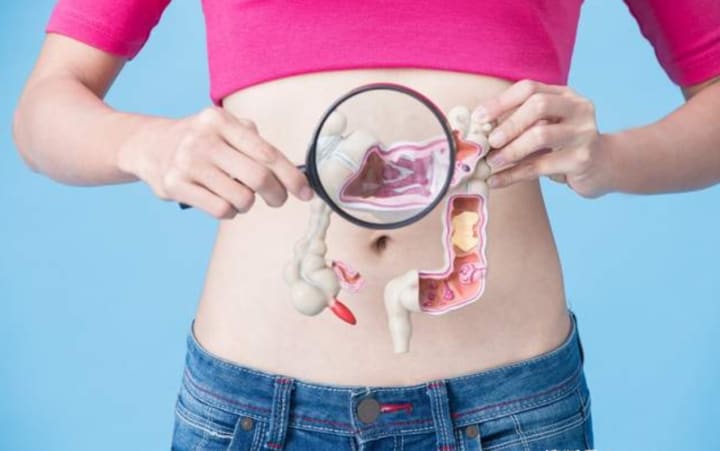
Every time you go to the toilet, you might as well take a look at your stool to see if the color and shape are normal, so that you have a high probability of identifying whether your intestines are healthy.
Intestinal alarm signal
When the intestine is sick, besides having abnormal stool, there are many other manifestations. For example, abdominal pain, bloating, nausea, vomiting, difficulty in defecation, the anus stops gas, weight loss in a short time, anemia, weight loss, abdominal mass, fever, dizziness, pale complexion and other symptoms.
If there is weight loss, blood in the stool, anemia, etc., these are the warning signs of the intestinal tract, and you should receive a systematic examination as soon as possible to confirm the diagnosis and treatment.
Auxiliary examination
There are also many ways to check the intestines, the more commonly used are stool routine + occult blood examination, abdominal and pelvic CT examination, lower gastrointestinal angiography, gastrointestinal endoscopy and so on..
The health status of the intestines can also be directly judged through the method of system inspection.
Promote intestinal health, starting from improving diet
The health of the intestinal function affects the human body's "feeding, absorption, and utilization", and even directly affects our human health.
Therefore, in daily life, it is necessary to make conscious improvements to promote the recovery and health of the intestinal tract.
l Maintain a good attitude and avoid anxiety
Some people have non-organic stomach pains due to long-term high pressure and anxiety, and often go to the hospital for various examinations and no lesions are found. At this time, you need to adjust your mentality, relax your high-pressure life, and reduce anxiety!
l Eat a balanced diet and develop good eating habits

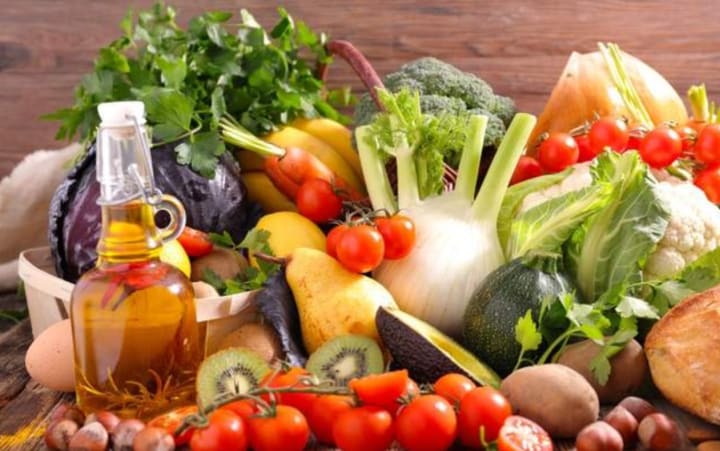
There is no need to over-pursue nourishing stomach recipes and the like. Try to achieve a balanced diet and develop good eating habits. For adults, you can maintain about half a catty of staple food a day, a catty of vegetables, half a catty of fruits, and 1700 ml of water.
Phytochemicals in fresh vegetables and fruits, leeks and broccoli contain isothiocyanate, which can inhibit the activity of Helicobacter pylori, have anti-inflammatory effects, and promote intestinal health; high-protein foods can provide An important raw material to repair the gastric mucosa, therefore, a good diet is the simplest and most effective means to improve intestinal health.
l Pay attention to environmental hygiene and keep away from the influence of pathogenic bacteria
It is recommended to pay attention to the environmental sanitation when dining out. It is best to choose a hygienic and safe restaurant, and to choose a well-received restaurant when ordering take-out. Ensure personal hygiene before eating to effectively reduce the impact of foodborne diseases.
About the Creator
Keep reading
More stories from writers in Longevity and other communities.
Day 4 of Quitting
If this is how sobriety feels, maybe it’s better to go through life a little buzzed… this, along with other hits like, I want to kill myself, I wish I was dead, and I’m going to throw myself off a bridge have been the only thoughts on rotation these past few days. I promise myself that if, in a month, I still feel like this (‘this’ meaning despondent, full of rage, and simultaneously numb) I can go back to smoking. Until mid-February though? Nicotine is off the table.
By sleepy drafts23 days ago in Longevity
The Duelist
The rays of a dying red sun flashed against the onrushing blade. The grey beards say the key to dueling lies in size, speed, reach, righteous fury, whatever the person in front of them pays them to say. Matteo knew better than any it was none of these and had an undefeated record on these sands to prove it.
By Matthew J. Fromm5 days ago in Fiction
A Letter to the Firestarter
Dear Firestarter, We can all see you, we've been watching you since you began. In case you didn't know we were here before you and we will be here after. We witnessed your rise, your setbacks, your guilt and your lies. We witnessed you start the fire.
By Donny Foleyabout 19 hours ago in Poets




Comments
There are no comments for this story
Be the first to respond and start the conversation.