
If you don't want a short life, don't sleep through three sleeps
sleep

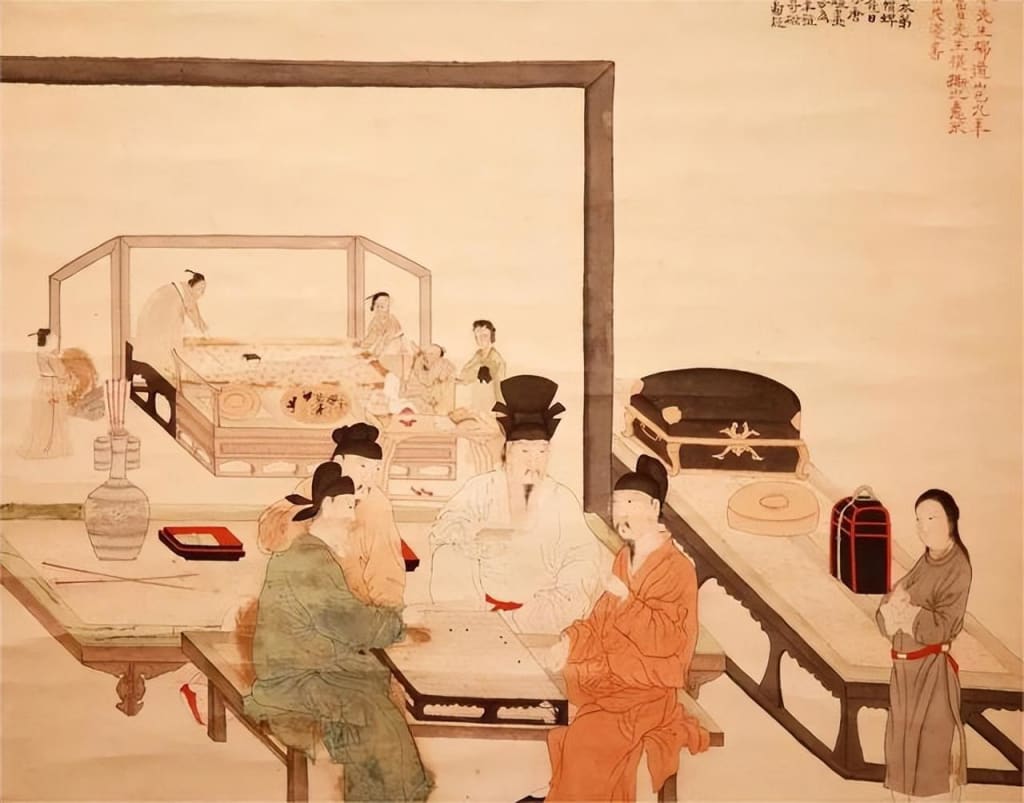
During the agricultural civilization era, experiencing favorable weather conditions and abundant harvests was considered the greatest success. When the granaries were full of food, people didn't have to worry about their meals, leading to a sense of security and contentment. However, it was rare to have bountiful harvests, and famines resulting in widespread starvation and suffering were not uncommon.
Fortunately, with the continuous progress of society and advancements in science and technology, the development of hybrid rice, for example, has helped solve the food problem. After entering a moderately prosperous society, having enough food and clothing has become a common and basic aspect of life.
With improved material living conditions, people's quality of life has significantly improved. At this stage, it is important to focus on taking care of one's health in order to fully enjoy a better life and cherish family happiness. Our ancestors have long accumulated life experiences in terms of self-care and have left behind the saying "If you don't want a short life, don't sleep through three sleeps". But what exactly do the "three sleeps" refer to?
The first type of sleep to avoid is "lazy sleep" or oversleeping. The old saying goes, "Early to bed, early to rise, makes a person healthy." In the agricultural era, people followed a strict routine of working from sunrise to sunset, aligning their lives with the natural cycle. Without the distractions of electronic devices, early sleeping and rising early not only benefited the body but also allowed for more productive work in the fields. Those who grew up in rural areas, especially during the summer, know that once it's past ten in the morning, the scorching sun makes it almost impossible to continue working, so it is crucial to make the most of the morning hours. Nowadays, with increasing work and life pressures, and the accelerated pace of life, people often engage in activities like playing games or using their smartphones late into the night, which severely affects their sleep duration.
During weekends or short holidays, people tend to sleep in until noon, completely disregarding the advice from our ancestors.
However, this kind of "lazy sleep" is detrimental to our health. Firstly, it leads to skipping breakfast and irregular eating habits, disrupting the body's biological clock and causing difficulties for the digestive system, leading to gastric problems. Furthermore, you may notice that the longer you sleep, the more discomfort you feel, such as back pain or stiffness. Traditional Chinese medicine has long mentioned that prolonged bed rest can harm one's vitality and energy (qi). Therefore, while it is okay to occasionally relax and sleep in, it should not become a habit as it is harmful to the body.
The second type of sleep to avoid is going to bed with negative emotions. In everyday life, it is evident that drinking alcohol with negative emotions easily leads to drunkenness. Similarly, going to sleep with such emotions can harm the body, as it disrupts the flow of qi and blood in the body, affecting circulation and causing damage to the system. When feeling angry or upset, it is important not to rush into sleep but to learn to decompress and alleviate the emotions, ensuring a restful sleep.
Failure to do so can harm the liver and cause difficulties in breathing. Over time, it can lead to various complications, resulting in more harm than good.
The third type of sleep to avoid is completely reversing the body's natural circadian rhythm. This usually happens among people with unhealthy habits or those engaged in special professions. The normal biological clock of the human body involves working during the day and sleeping at night. Healthy individuals should go to bed before 11 pm and maintain a sleep duration of six to eight hours to ensure they wake up refreshed and energized the next day.
If the sleep-wake cycle is completely reversed, with sleeping during the day and working at night, it is unsustainable as the body struggles to adapt to this reversal. Additionally, it is difficult to achieve deep sleep during the daytime. Prolonged adherence to such a schedule strains the body, resulting in various diseases. The immune system becomes compromised, leaving individuals to face the consequences of their own disregard.
In conclusion, the three sleeps mentioned in the popular saying If you don't want a short life, don't sleep through three sleeps refers to the following: avoiding oversleeping or "lazy sleep," refraining from going to bed with negative emotions, and not completely reversing the body's natural sleep-wake cycle.
About the Creator
Reynol Brennan
A small blogger who shares emotions, life, life insights, and short stories, and provides everyone with happiness, growth, and common sense of life.
Keep reading
More stories from Reynol Brennan and writers in Longevity and other communities.
The Impact of Screen Time on Health and How to Limit It
In today's digital age, screens have become an integral part of our daily lives. From smartphones and tablets to computers and televisions, screens surround us almost constantly. While technology has brought numerous benefits and conveniences, excessive screen time can have detrimental effects on our physical and mental health.
By Reynol Brennan2 years ago in Longevity
Day 4 of Quitting
If this is how sobriety feels, maybe it’s better to go through life a little buzzed… this, along with other hits like, I want to kill myself, I wish I was dead, and I’m going to throw myself off a bridge have been the only thoughts on rotation these past few days. I promise myself that if, in a month, I still feel like this (‘this’ meaning despondent, full of rage, and simultaneously numb) I can go back to smoking. Until mid-February though? Nicotine is off the table.
By sleepy drafts11 days ago in Longevity
Kratom Tea Guide for Beginners, Benefits, Effects, and How to Use It
Kratom tea is one of the most common ways people use kratom. Many users choose tea because it is easier to digest, faster to absorb, and simpler to control than powder or capsules. If you searched for kratom tea, you likely want to know what it does, how to make it, how strong it is, and whether it is better than other forms. This guide answers those questions in a clear and direct way.
By Jack Wilder3 days ago in Longevity


Comments
There are no comments for this story
Be the first to respond and start the conversation.