
IBS-C and Constipation (Differences, similarities, causes, treatment and diagnosis)
Never thought the foods we consume and exercise we don't do could lead to an issue in the bathroom.

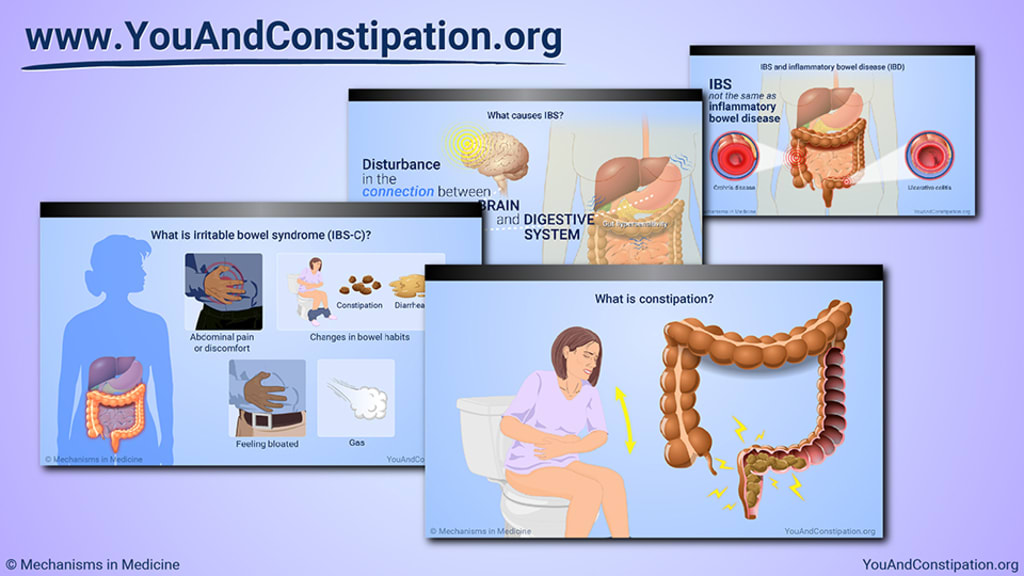
Common is what I was told. Yet the pain keeps growing day after day. Many others suffer from IBS-C, but the positive side is it can be overcome with a long process of elimination. It might be a common digestive disorder but not many are aware of it. First, I’ll break it down for you. IBS-C is defined as belly pain (abdominal pain) that is associated with constipation. As stated, it is a common digestive disorder which is affecting 7-21% of the general population. There are no lab test or imaging studies that can confirm a diagnosis but is based on a thorough medical history and physical exam. However, in certain situations, a limited amount of testing such as blood work or imaging studies may be needed to make sure other conditions are not present. Doctors use a tool called Rome criteria, a list of specific symptoms and factors that can help determine if someone has IBS-C. The most important of these criteria include the presence of abdominal pain or discomfort and change in bowel habits. Overall, IBS-C is pain within the abdomen and consist of constipation.
There are multiple symptoms to look out for. The most common is constipation with abdominal pain. However, it isn’t the only sign to be ruled out. Other symptoms include but aren’t limited to:
Defined as long-lasting and keep coming back
Most cases are ongoing (chronic), but they may come and go
Can have a negative effect on quality of life
Those who suffer have hard or lumpy stools at least 25% of the time and loose or water stools less than 25% of the time
How often a person passes stool, or the way it appears, may be different when abdominal discomfort is happening
Abdominal discomfort or bloating happens with constipation
Constipation and abdominal pain
Sleep interruption and missing work
Frequent abdominal pain, bloating or discomfort and changes in the appearance or frequency of bowel movements
Abdominal pain and discomfort, along with changes in bowel function
Bloating and/or gas also may happen
Changes in bowel function may include: straining, infrequent stools, hard or lumpy stools, and/or a feeling that the bowel does not empty completely
Abdominal discomfort often improves after a bowel movement
Some may feel as if there is a blockage preventing them from passing stools
They may need to press on a part of their body or change body position to help them complete their bowel movement
Limitations on daily activities and social events
Similar to other disorders in the cause department, IBS-C's cause is not known. However, there is evidence that bacteria which are normally found in the guy, or changes in the composition those bacteria play a roll. It could also be related to change in sending the messages between the brain and intestines. In some patients it may happen after a past infection in the gut. Some experts think that it is related to changes in how the intestines move and contract, or changes in how the gut sense pain. In addition, researchers are looking into possible roles of genetics and/or changes in the immune system. With all that we are putting into our bodies we should consider the foods we eat as a factor/cause. Even though it doesn’t say it anywhere, sometimes the food we eat affects how are intestines break down the food. Overall, we should take precautions and try to eat healthier.
There is no cure, so the goal of treatment is to reduce symptoms as much as possible. It can however, affect a person’s quality of life. IBS-C isn’t life-threatening. May be focused on improving the uncomfortable symptoms such as abdominal pain and bloating or an improving bowel function. Types of other treatment include:
Life modifications: reducing or avoiding alcohol and tobacco products. Improving sleep habits and regular exercise
Dietary therapy: some people find certain foods can “trigger” or set off symptoms. However, the specific foods that can bring on symptoms can vary widely from person to person. Increasing the amount of soluble fiber in one’s diet can be helpful. Cutting down on caffeine, soda and gas producing foods is often recommended. Specific diets have been studied and have shown benefits for some patients. In addition, diets that exclude whole groups or types of food can be difficult to follow and a dietitian can help make sure a modified diet is both nutrition and safe
Psychological therapies: focus on treating the central nervous system and have helped patients. Some of those work on how the brain and mind interpret sensations, such as discomfort or bloating. For some patients, psychological stressors can worsen IBS, such a sa history of physical, mental or sexual abuse. Psychiatric conditions such as post-traumatic stress disorder, anxiety and depression are sometimes found along with IBS-C and treating these problems may also improve the symptoms
Treatments targeted at bacteria: naturally present in the intestines or gut and they play an important role in normal bowel health function. Probiotic products are foods or pills that contain live bacteria that may promote gut health. They are sometimes recommended with the goal of changing the types of guy bacteria in the intestine. This can sometimes reduce abdominal discomfort, bloating and gas. Experts are not sure of the overall benefits of probiotics: the most beneficial types and amounts of probiotics foods or supplements are also not know. Antibiotics are another way to change the population of bacteria in the gut, but there is a disagreement about this approach. Sometimes provide symptom relief, there are potential risks associated with frequent use. If used too often, they become less effective and the risk of developing serious infections increases
Herbal therapies: some evidence that peppermint oil of Chinese herbal formulas, such as a supplement called Chinese herbal formulas, such as a supplement called STW5, can improve symptoms
Medical therapy: for abdominal discomfort-antispasmodics are a group of medicines to relax smooth muscle in the intestine. Commonly used. May have some benefit in reducing the symptoms of abdominal pain, discomfort and bloating. Medicine used to improve bowel function: laxatives and stool softeners are often used first. They are relatively safe, inexpensive and widely available. Antidepressants: may reduce pain and other symptoms in some patients. They can modify how the gut feels, pain, improve mood and change how the intestine works to move stool alone. Pro-secretory agents are a newer group of medications that moisten both the stool and intestine so that bowel movements are easier and more frequent
Not all methods are going to be useful for every patient. On a positive note there are multiple treatments that can be taken to help overcome IBS-C.
Consult your doctor if you are using over the counter medications regularly, you should consult a doctor to determine the best course of treatment. Notify your doctor if you are having chronic symptoms of constipation and discomfort. Report abdominal discomfort or symptoms that come with weight loss, bleeding, iron deficiency or symptoms that start after age 50. When notifying your physician make sure you tell them about any personal or family history of GI disease such as cancer or inflammatory bowel disease. As much information that you can provide will help the doctor determine what could be causing your symptoms.
There is a difference between IBS-C and Chronic constipation. Both are uncomfortable but are defined differently. If you poop no more than twice a week, your constipated. Straining to have normal, regular bowel movements or months on end, something may be going on inside your body. Symptoms for the two disorders overlap so much that doctors aren’t sure if they’re related conditions or entirely different. Chronic constipation could be a sign of a look-alike digestive illness called IBS-C. Overall, there is a different between them it is hard for professional to distinguish the difference.
IBS-C usually don’t happen with chronic constipation alone. Example: often have stomach and discomfort that goes away after you poop. Pain can be very bad, poop normally or loose, water stools between bouts of constipation and nausea. Showing the difference between constipation and IBS-C. Similarities are what make it hard to distinguish from the two. Those are: need great effort to move your bowels, make lumpy hard stools, feel like something is blocking your bowel movement, don’t feel like you’ve emptied all your stool and deal with gas and bloating. Making either condition uncomfortable for anyone to bare.
No specific test. Start with your medical history and a physical exam. Common ways of becoming diagnosis. May need to give a stool sample, check for a bacterial infection. Physical exam can show if you’re dealing with muscle or structural problems with your rectum. May have special X-rays, CT scans or a colonoscopy to see if stool is able to pass through colon or rectum the way it should. For IBS-C there is no test, so they’ll gather as much information as possible to rule out other causes. A check list is used, including: changes in how often you poop, severe belly bloating and feeling better after a bowel movement. Things like unexplained weight loss, antibiotics and blood in stool could mean other medical problems are part of the problem. Overall, doctor may use a set of symptoms to decide if you have IBS-C or constipation.
IBS-C is a slow passage of food through your intestine, problems with bacteria, hormones or chemicals in the intestines, miscommunication between your brain and your bowel and family history or other digestive disorders. IBS-C is less well understood but doctors have a few clues. Chronic constipation is caused from drugs for depression, Parkinson’s, heart disease and other conditions, type 2 diabetes or thyroid problems, medical problems that cause high or low levels of calcium in your blood, spinal cord injuries and colorectal problems like cancer or narrowing of your rectum. Chronic constipation can have more serious roots, including intestinal blockage. You make know that too little fiber in your diet can bind up your bowels.
Overall, IBS-C can be maintained. It will be an uncomfortable road but it is manageable. Change in diet and regular exercise go a long way. As human beings we just get too wrapped up in our busy lives we forget to take care of ourselves. We need to stop and manager ourselves. Manager our health and a better diet for our bodies. Even the smallest changes that we make can be the best choice for us.
About the Creator
MICHELLE SMITH
Be the inspiration you want others to see. I just want to inspire others through poetry. We all need a bit of positivity and to know that there are others going through similar situations.
Keep reading
More stories from MICHELLE SMITH and writers in Longevity and other communities.
Alzheimer’s Vs. Dementia
Ever wonder where it starts? How it is developed? Do you ever wonder if it is genetic? Most common question is what is the difference between Alzheimer’s and Dementia. Discussed throughout this little article will be: Diagnosis, Causes and Risk factors, Dementia vs. Alzheimer’s, Stages, 10 signs and symptoms, Medication and treatment, Dementia: causes, risk and prevention and treatment and care, why you should get checked, Visiting your doctor, Asking questions, Life after diagnosis, Other treatments and Facts and figures. Let’s begin.
By MICHELLE SMITH5 years ago in Longevity
What is a safe air corridor? How planes still fly during airspace closures in the UAE
When geopolitical tensions, natural disasters, or security concerns arise, countries may close parts of their airspace to commercial and cargo flights. Yet, aircraft often continue to operate safely in affected regions, thanks to the concept of safe air corridors—predefined routes that allow planes to navigate restricted airspace while avoiding hazards. This system is particularly relevant in the United Arab Emirates (UAE), where strategic location and proximity to regional conflicts occasionally lead to temporary airspace restrictions. Understanding Airspace Closures Airspace closures are imposed by governments or aviation authorities to ensure the safety of aircraft. In the UAE, such closures may occur due to military exercises, regional conflicts, drone activity, or threats to civil aviation. When a segment of airspace is declared off-limits, airlines must reroute flights around the restricted zone to prevent potential risks. These closures are usually coordinated with the General Civil Aviation Authority (GCAA), the UAE’s governing body for civil aviation safety and regulation. During these periods, normal flight operations are disrupted, and pilots rely on updated information from Air Traffic Control (ATC) and real-time navigation systems to maintain safe routes. While closures can delay flights or increase fuel consumption due to longer flight paths, modern aviation technology ensures these detours are safe and efficient. What Are Safe Air Corridors? A safe air corridor is a route designated by aviation authorities that allows aircraft to traverse or bypass areas of restricted airspace without entering dangerous zones. These corridors are carefully calculated using a combination of air traffic control data, radar monitoring, satellite information, and international flight regulations. The primary purpose of a safe air corridor is to: Avoid hazards – This includes potential missile threats, drone activity, or conflict zones. Maintain operational efficiency – Even when parts of airspace are closed, corridors help minimize delays and fuel usage. Ensure separation between aircraft – Air corridors prevent mid-air collisions by providing structured lanes with defined altitudes and headings. Safe air corridors are not unique to conflict regions—they are also used during volcanic ash clouds, severe weather events, or temporary airport closures. For instance, airlines often rely on these corridors to fly safely around storm systems or ash plumes that could damage aircraft engines. How Safe Corridors Work in the UAE The UAE’s geographical position makes it a hub for international flights connecting Europe, Asia, and Africa. Occasionally, regional tensions in nearby countries may lead to partial closures of UAE-controlled airspace. When this happens, the GCAA coordinates with international bodies such as the International Civil Aviation Organization (ICAO) and nearby countries’ air traffic authorities to establish safe routes for airlines. Airlines submit flight plans that adhere to these corridors, which are updated in real-time to account for new threats or operational changes. Pilots follow these predefined paths, adjusting altitudes and headings according to ATC instructions. Advanced navigation systems such as GPS, inertial navigation, and Automatic Dependent Surveillance–Broadcast (ADS-B) ensure that aircraft remain within safe zones throughout their journey. The UAE’s major airlines, including Emirates and Etihad, regularly train their pilots to operate under these conditions. Crew members are briefed on the corridors, alternative routes, and emergency procedures in case of unexpected airspace restrictions. The combination of regulatory oversight, technology, and pilot training allows flights to continue safely even during temporary closures. Coordination with International Flights Because the UAE serves as a transit point for international flights, safe air corridors must also align with global aviation standards. ICAO provides guidance on conflict-zone overflights, advising airlines on risk assessment, insurance requirements, and operational procedures. Many international carriers flying through UAE airspace rely on real-time updates from aviation intelligence providers to adjust their routes proactively, ensuring safety without compromising schedules. Benefits and Limitations Safe air corridors provide a crucial balance between security and operational efficiency. They allow airlines to: Maintain flight schedules despite airspace closures. Reduce risks from regional conflicts or hazards. Protect passengers and crew from potential threats. However, there are limitations. Rerouted flights may experience longer journey times, increased fuel costs, and higher operational complexity. Furthermore, corridors are only as reliable as the intelligence and monitoring systems supporting them. Sudden escalations in regional threats can prompt additional restrictions, requiring dynamic adjustments mid-flight. Conclusion Safe air corridors are an essential component of modern aviation safety, particularly in regions with geopolitical sensitivity such as the UAE. By combining regulatory oversight, advanced navigation systems, and coordinated international protocols, airlines can continue to operate efficiently while minimizing exposure to risk. For passengers, this means that even amid temporary airspace closures, flights can remain largely uninterrupted, demonstrating the robustness and adaptability of the global aviation network. These corridors exemplify how careful planning, technology, and international cooperation come together to ensure that civil aviation continues to operate safely, no matter the challenges above the skies.
By Fiaz Ahmed 2 days ago in Longevity



Comments
There are no comments for this story
Be the first to respond and start the conversation.