
I handle my own healing
The Importance of Self-Empowerment in Healing


Introduction
Healing is a deeply personal journey that everyone experiences differently. Whether it’s emotional, physical, or spiritual healing, the road to recovery is often filled with challenges, growth, and reflection. But what happens when you decide to take charge of your own healing? In this article, we’ll explore the importance of handling your own healing, the steps involved, and how empowering yourself can lead to a more fulfilling recovery.
What Does It Mean to Handle Your Own Healing?
Handling your own healing means taking ownership of your recovery process. Instead of relying solely on external factors or other people, you become the primary driver of your healing. This doesn’t mean rejecting help, but it does mean recognizing that you have the power to influence your own well-being. It’s about understanding that true healing comes from within and that you are capable of creating change in your life.
The Importance of Self-Empowerment in Healing
Self-empowerment is critical when it comes to healing. When you take control of your journey, you build resilience and develop a deeper understanding of yourself. Self-empowerment in healing encourages you to listen to your body, mind, and emotions, making choices that align with your personal needs and values. By doing so, you actively contribute to your well-being, fostering a more holistic and sustainable recovery.
Emotional Healing: A Path to Inner Peace
What Is Emotional Healing?
Emotional healing is the process of acknowledging, understanding, and releasing past emotional wounds. These wounds might come from traumatic experiences, loss, or deep-seated feelings of guilt, anger, or sadness. Handling emotional healing involves recognizing the emotions you’ve buried, working through them, and ultimately letting them go.
Steps to Emotional Healing
Acknowledge Your Emotions: The first step in emotional healing is to admit how you feel. Whether it’s pain, fear, or frustration, being honest about your emotions is crucial.
Seek to Understand the Source: Identify what has caused these emotions. Is it a past event or an unresolved conflict? Pinpointing the source helps guide you through the healing process.

Release and Forgive: Letting go of past hurt is liberating. This may involve forgiving others or even forgiving yourself for holding on to negativity.
Practice Self-Love: Healing requires kindness and patience. Practicing self-compassion and accepting yourself, flaws and all, accelerates emotional recovery.
Physical Healing: Listening to Your Body
The Body’s Role in Healing
Physical healing is often the most visible form of recovery. However, it’s not just about treating the symptoms; it’s about listening to your body and understanding what it needs. Physical healing requires rest, nourishment, and sometimes professional medical care, but your body has a natural ability to heal itself when given the right conditions.
How to Support Physical Healing
Rest: Your body needs time to repair. Rest is one of the most critical factors in physical recovery.
Proper Nutrition: Eating nutrient-rich foods supports your body’s natural healing processes.
Exercise Mindfully: While rest is essential, gentle movements and exercise can also boost recovery by improving circulation and keeping muscles engaged.
Listen to Your Body: Pay attention to signals such as fatigue or pain, which indicate when your body needs more care or adjustment.
Spiritual Healing: Finding Your Inner Strength
What Is Spiritual Healing?
Spiritual healing involves connecting with your inner self and finding a sense of peace, purpose, and balance. Whether through meditation, prayer, or reflection, spiritual healing helps you transcend your physical and emotional challenges, tapping into a higher source of strength.
Ways to Foster Spiritual Healing
Meditation and Mindfulness: These practices help you center yourself and clear your mind of unnecessary distractions.
Connecting with Nature: Nature has a calming and restorative effect on the soul. Spend time in peaceful environments to rejuvenate your spirit.
Journaling Your Thoughts: Writing about your experiences can offer clarity and help you understand your feelings from a spiritual perspective.
Why Taking Responsibility for Your Healing Is Empowering
When you handle your own healing, you reclaim control over your life. You begin to realize that you are not a passive victim of circumstance but an active participant in your recovery. This mindset shift transforms the way you approach challenges and obstacles. You gain confidence, strength, and wisdom, knowing that you have the power to heal and grow beyond your struggles.
The Role of External Help in Your Healing Journey
Accepting Help Without Surrendering Control
Taking charge of your healing doesn’t mean going it alone. Therapy, counseling, and support from loved ones can play vital roles in your recovery. The key is to accept help without giving up control. These resources should support and guide you, but ultimately, the responsibility lies with you.
Building a Support System
Surrounding yourself with people who encourage your healing can make a significant difference. A strong support system provides emotional strength, practical advice, and encouragement when the journey becomes tough. Friends, family, or support groups can offer insight and remind you that you’re not alone in your healing process.

Challenges You May Face on the Path to Healing
Handling your own healing comes with its challenges. You may face moments of doubt, fear, or frustration. There might be times when progress seems slow or setbacks occur. The important thing is to remain patient and persistent. Healing is not always linear, and understanding that setbacks are part of the process can help you stay committed to your journey.
Why Patience Is Key in Healing
Healing, whether emotional, physical, or spiritual, takes time. Being patient with yourself allows you to fully experience each stage of the process. Rushing through healing often leads to unresolved issues resurfacing later. By taking your time, you ensure that each layer of healing is addressed, leading to a more complete and lasting recovery.
Conclusion
Handling your own healing is one of the most empowering decisions you can make. By taking responsibility for your emotional, physical, and spiritual well-being, you open the door to deeper self-understanding and personal growth. Remember, healing is not a destination but a journey. The more you invest in yourself, the more fulfilling and transformative that journey will be.
About the Creator
Muhammad Nadeem
Hello! I'm your go-to resource for the oddball, the curious, and the simply fascinating. You can find me exploring the more bizarre areas of the internet. I investigate everything while maintaining a healthy dose of curiosity and humor.
Keep reading
More stories from Muhammad Nadeem and writers in Longevity and other communities.
Don't Take Life So Seriously; It Doesn't Take You Seriously Either
Life is unpredictable, chaotic, and full of surprises. Yet, many of us approach it with intense seriousness, as if every decision or event is a matter of life and death. We stress about work, relationships, social status, and so much more, as though these pressures define our existence. But here’s a truth that might help ease the weight on your shoulders: life doesn’t take you as seriously as you take it. This perspective can be incredibly freeing. Let’s dive into why you shouldn’t take life too seriously and how adopting a lighter approach can improve your mental well-being, relationships, and overall happiness.
By Muhammad Nadeemabout a year ago in Longevity
Meet the Parsi Cousin of Biryani — Niloufer Mavalvala’s Murghi no Palau
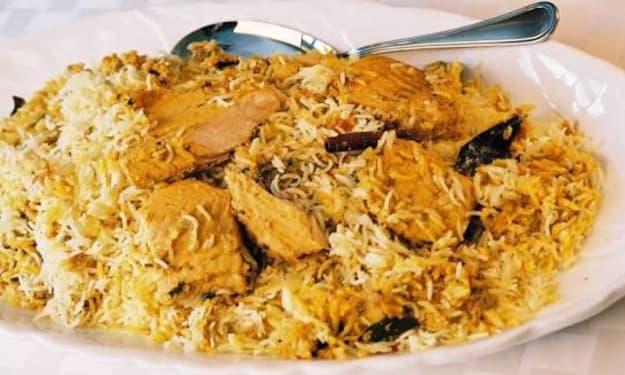
When it comes to Indian cuisine, biryani often steals the spotlight with its fragrant rice, tender meat, and complex spices. Yet, among the Parsi community in India, a lesser-known cousin of biryani — Murghi no Palau — holds a cherished place at family tables and festive occasions. Chef Niloufer Mavalvala, a celebrated Parsi culinary historian and cookbook author, has been instrumental in bringing this traditional dish to wider attention, showcasing the delicate flavors and cultural significance that distinguish it from its more famous relative. Murghi no Palau literally translates to “chicken with rice” and is a Parsi take on the classic rice-and-meat combination. While it shares similarities with biryani, including the use of aromatic spices, the dish emphasizes subtlety over the fiery intensity that biryani is often known for. Mavalvala explains that Parsi cooking traditionally favors a balance of flavors, where no single spice overwhelms the palate, and each ingredient contributes to a harmonious whole. “The beauty of Murghi no Palau lies in its elegance,” says Mavalvala. “It’s not just a dish; it’s a reflection of Parsi values — refinement, restraint, and celebration of good ingredients.” The dish typically features marinated chicken cooked with basmati rice, onions, saffron, and ghee, with a medley of mild spices such as cinnamon, cardamom, and cloves. Unlike many biryani variants, it avoids heavy use of chili or hot masalas, allowing the natural flavors of the chicken and rice to shine. Historically, Murghi no Palau has been a dish reserved for special occasions within Parsi households. Weddings, Navroz (the Parsi New Year), and milestone celebrations often feature this dish as a centerpiece. Mavalvala notes that its preparation is considered an art form, with layers of rice and meat carefully arranged to ensure even cooking and flavor distribution. “Every family has its own version,” she says. “Some add raisins or cashews, some prefer a hint of rosewater. It’s a dish of tradition, but also of personal expression.” The Parsi community, originally Zoroastrians who migrated to India from Persia centuries ago, has a rich culinary heritage that blends Persian, Gujarati, and British influences. Murghi no Palau exemplifies this synthesis, reflecting both the Persian roots of rice pilafs and the subtle Indian spice sensibilities acquired over generations in Gujarat and Mumbai. Mavalvala has dedicated much of her career to documenting Parsi recipes that risk fading into obscurity. Through her cookbooks, workshops, and online classes, she has shared step-by-step instructions for Murghi no Palau, emphasizing techniques such as slow-cooking chicken to preserve tenderness and layering saffron-infused rice for both aroma and visual appeal. She also stresses the importance of ghee and fresh ingredients, which she says are central to achieving authentic flavor. One striking feature of Murghi no Palau is the use of caramelized onions, which add both sweetness and depth to the dish. Combined with saffron and mild spices, the onions create a golden, fragrant rice that is at once comforting and elegant. The chicken, marinated in yogurt, garlic, and a touch of turmeric, cooks gently alongside the rice, infusing it with subtle richness without overwhelming the palate. For those accustomed to robust biryani flavors, Murghi no Palau offers a gentle, nuanced experience. It invites diners to appreciate restraint, balance, and the layering of textures — characteristics that define much of Parsi cuisine. Mavalvala believes that sharing this dish with wider audiences helps preserve an important cultural legacy. As global interest in regional Indian cuisines grows, Murghi no Palau is increasingly appearing on menus in Mumbai, Delhi, and even international restaurants dedicated to Parsi fare. Food enthusiasts and chefs alike are discovering that this “cousin of biryani” is not merely a variant, but a dish that embodies centuries of tradition, history, and the Parsi philosophy of life: measured, thoughtful, and full of warmth.
By Fiaz Ahmed 5 days ago in Longevity
The Hardware of Exhaustion
Right now, human well-being sits in contradiction. Though today’s medicine reaches further than ever before, ongoing tiredness, stress, and deep exhaustion mark more lives than before. Individuals log rest hours, fine-tune food intake, wear gadgets that follow heartbeat rhythms - still, simply existing inside a present-day physical form feels overwhelmingly draining to vast numbers across the globe. Most doctors see tiredness as either a brain chemistry issue or a mental weakness. People get advised to handle pressure better, use vitamins, or try focused breathing. Yet could today’s weariness stem not from molecules inside us? Perhaps the cause hides within how information flows around us instead.
By Dr Marc Nock5 days ago in Longevity
Silken Chains
Silhouettes of the female form were given flesh and bone. Silken skin glistened under the spotlight. Dry ice rose around our Icons as they danced atop their podiums in the Square. Heralded for their beauty, their movements were slight, powerful, and sensual.
By Paul Stewart4 days ago in Fiction



Comments
There are no comments for this story
Be the first to respond and start the conversation.