
Hunger more easily than others?
Pay attention to blood sugar

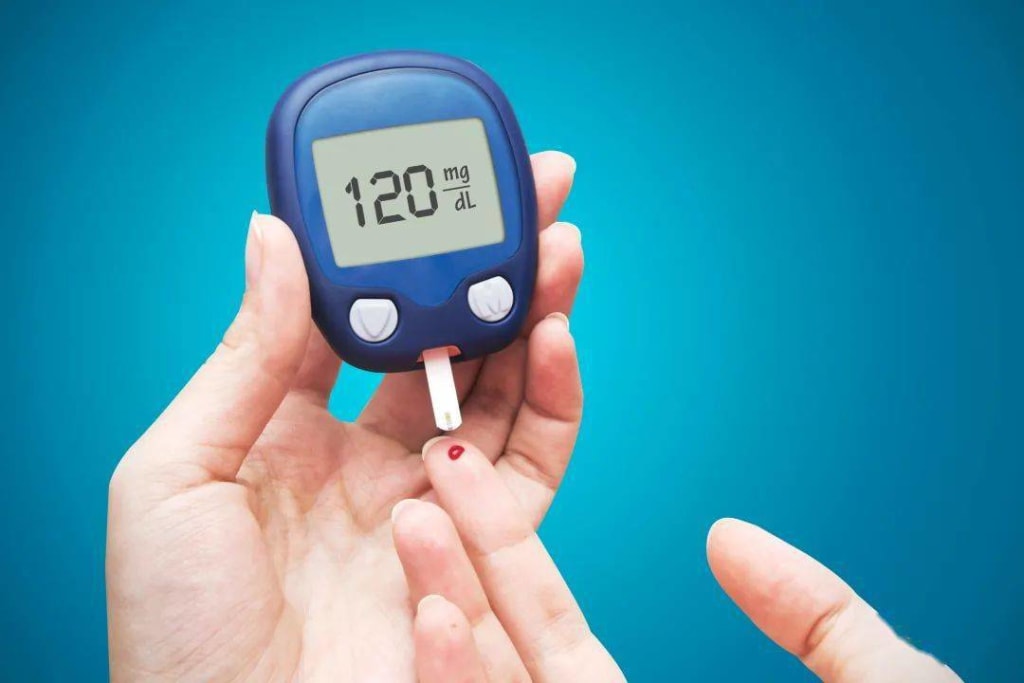
Many people have a puzzle: If you are full, why don't you want to eat again after two or three hours? Others asked: Why do I feel a little hungry when I wake up after taking a nap after lunch, and want to eat again? Why do people feel calm for five or six hours after eating a main meal, and why do I feel particularly craving for food? Why do I always feel very sleepy between two or three in the afternoon, and I still want to eat something sweet, and it will be better if I get through it?
It seems that there are some knowledge points here that must be popularized quickly...
Knowledge point 1: The lowest blood sugar level within a few hours after a meal is the "blood sugar valley"
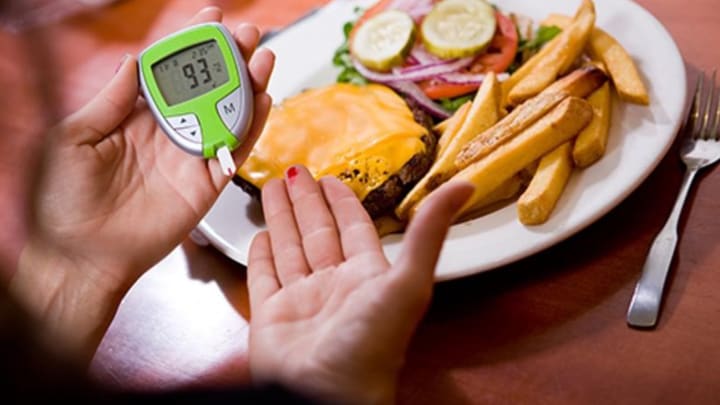
Theoretically speaking, if you measure the blood sugar content in plasma before and after eating carbohydrate-rich foods, you will find that the blood sugar rises first and then drops, which is called the postprandial blood glucose response curve. If the pre-meal blood glucose level is zero, then this post-meal blood glucose curve reflects the blood glucose fluctuations before and after the meal, which can be called the "blood glucose increase curve".
After eating, the curve shows an upward trend, indicating that the blood sugar is rising, and the data is positive. The peak data is called "peak blood sugar". However, after a period of time, under the action of insulin, blood sugar will drop again, and some points of blood glucose data may appear negative. At some point in time, there may be a minimum blood glucose level within a few hours after a meal, called "blood glucose trough".
The blood glucose data of this trough value may be lower than the value before the meal. In other words, if it is zero before the meal, this value is negative, and this period is also called "blood sugar depression".
Knowledge point 2: People with weak blood sugar control ability are prone to "blood sugar depressions"
People with good blood sugar control ability, after eating a high GI carbohydrate meal, their postprandial blood glucose response is a curve similar to a mountain to a gentle slope. First rise, then fall, but the downward trend is relatively moderate, and finally reach a basically stable state. Even 4-6 hours after a meal, blood sugar will not be significantly lower than the value when fasting, but will remain stable.

However, for some people with weak blood sugar control ability (although they are not diabetic), if they eat a high blood sugar reaction meal, their reaction is like this: first there is a large blood sugar peak, and then it drops early Below the pre-meal level, there is a relatively low "post-meal blood glucose trough".
Although this value may not have reached the true hypoglycemia range, there will be no typical hypoglycemia conditions such as dizziness, weak legs, trembling hands, palpitation, irritability, weakness and sweating, but it may also cause insufficient concentration. , Fatigue, impatience, hunger, and other sensations related to lower blood sugar.
If you are diabetic, your blood sugar control ability is even worse. They often experience high and low blood sugar. If insulin and hypoglycemic drugs are used improperly, it is extremely prone to alternate hypoglycemia and hyperglycemia. So they will put some food in their pockets at any time to keep their blood sugar in a safe range.
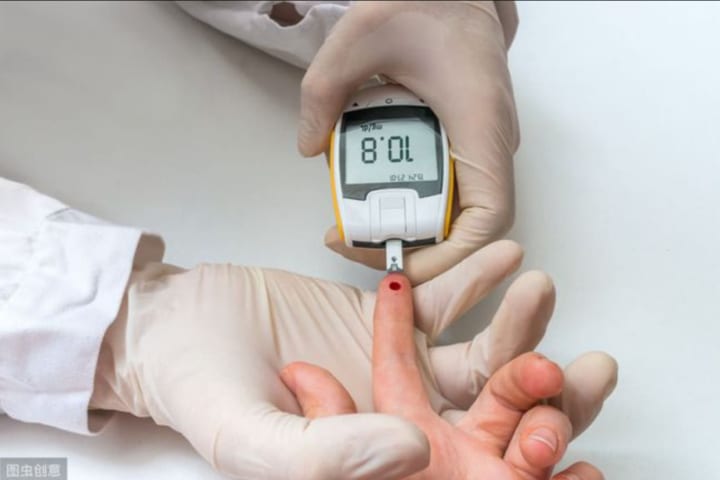
Knowledge point 3: Glutinous rice, white bread, cereal aleurone, etc. are likely to cause "blood sugar depression"
After we do blood glucose experiments on different foods, we will also pay attention to which diets have negative blood glucose valleys.
For example, glucose is prone to negative blood glucose after a meal. Sticky rice food is also prone to this situation. This situation can also occur with white bread and some grain aleurones. This may be because these foods will stimulate a higher insulin response, and excessive insulin will cause blood sugar to drop rapidly, or even drop below the fasting value, resulting in blood sugar depressions.
A friend said that in order to control blood sugar, he ate a paste of roasted cereal flour every morning, but he had low blood sugar instead. There may be three problems here: one is improper food selection, the other is improper food matching, and the third is insufficient food.
One is the grains that have been roasted, floured, and then washed in boiling water. Although they contain dietary fiber, the physical structure of the grain is completely destroyed, and it is very easy to digest and absorb (no need to chew or use the stomach to grind, which speeds up digestion. process). Easy to digest and absorb, blood sugar rises quickly. Rise fast and fall fast.
The second is that there is no meat, eggs and vegetables when eating the mash. The protein is not enough, the total calories of the food is low, and the emptying speed in the stomach is also fast. Naturally, it is more likely to produce hunger, and blood sugar is not easy to stabilize for a long time.
Third, the morning is mainly soft, high-moisture paste. There are too few "dry goods", the total amount of carbohydrates is not enough, and the total calories are too low.
In comparison, although rice is considered a high GI food, blood sugar is relatively stable after 2 hours, but it is not prone to negative values. Besides, rice is seldom eaten on empty mouth. It is usually combined with various dishes, which makes it relatively easier to maintain a stable blood sugar level. If it is rice with whole grains, it needs more chewing, the release and absorption of glucose will slow down, the demand for insulin will decrease, and it will be less prone to blood sugar depression.
Knowledge point 4: "Glucose trough" generally appears between 1.5 to 3.5 hours after a meal
For healthy people without diabetes, the time of blood sugar trough often occurs between 150-210 minutes after a meal (calculated from the first mouthful of the meal, 1 and a half hours to 3 and a half hours). Most people's trough and fasting values are not far apart, and some people will have a small blood sugar depression.
So many people feel that they will feel a little tired and sleepy at this time. After going through it, he regained his normal energy. Especially 2 hours after lunch, between two and three o'clock in the afternoon, I feel very bad and feel sleepy.
After 3 hours after the meal, due to the decrease in insulin level and the increase in glucagon, the blood sugar level may return to the normal range, and I feel better.
However, people with prediabetes and people with diabetes tend to have poor blood glucose stabilization ability, and pre-meal blood sugar levels cannot return to the normal range, and pre-meal hypoglycemia may often occur. So they often need to add more meals between meals.
Knowledge point 5: People who lose weight are greedy for "high carbohydrate" may be caused by "blood sugar depression"
When low blood sugar occurs, people crazily yearn for food. The appetite caused by this hunger is difficult to overcome with willpower. If the blood sugar drops below the fasting value, even if the blood sugar value is still in the normal range, it usually means that the body's interest in food increases, appetite increases, and the ability to control food intake decreases.
Many people who lose weight blindly pursue a low-calorie diet and reduce their carbohydrate intake, so that the blood sugar level after a meal drops quickly. When the blood sugar level drops below the fasting value, the human body will experience obvious hunger. In a hungry state, the human body's survival instinct is activated, making people eager to seek food.

Many people said that they obviously still have something in their stomachs, and they just want to eat snacks after only two hours after eating. There are also people who have eaten at 12 o'clock, take a nap at 1:30, and suddenly feel that they want to eat high-carbohydrate food again. These conditions are likely to be caused by blood sugar depressions. During sleep, the body's blood sugar consumption is reduced, and the blood sugar level remains high, which may promote the excessive secretion of insulin, resulting in a drop in blood sugar level, and feeling hungry when getting up.
Everyone has different genetics, different physiques, and different reactions to food. In any case, in theory, all factors that help maintain blood sugar stability, such as eating a diversified healthy diet, regular exercise, walking after meals, emotional stability, and good sleep, are important measures to avoid blood sugar depressions.
About the Creator
Keep reading
More stories from writers in Longevity and other communities.
Day 4 of Quitting
If this is how sobriety feels, maybe it’s better to go through life a little buzzed… this, along with other hits like, I want to kill myself, I wish I was dead, and I’m going to throw myself off a bridge have been the only thoughts on rotation these past few days. I promise myself that if, in a month, I still feel like this (‘this’ meaning despondent, full of rage, and simultaneously numb) I can go back to smoking. Until mid-February though? Nicotine is off the table.
By sleepy drafts24 days ago in Longevity
What Tracking Data and Satellites Can Tell Us About the US Military Build-Up in the Gulf
Open-source technology offers new insight into troop movements and regional tensions In recent months, growing attention has focused on a possible US military build-up in the Gulf region. While official statements often provide limited details, a surprising amount of information is now visible through tracking data, satellite imagery, and open-source intelligence. These tools allow analysts, journalists, and even the public to observe military movements that were once hidden from view. As tensions remain high in the Middle East, tracking data is playing a key role in shaping how the world understands military activity in the Gulf. How Tracking Data Reveals Military Movement Modern ships and aircraft often use transponders that broadcast location data for safety and navigation. Although military units can limit or disable these signals, they are sometimes left on during transit or support missions. By monitoring this data, analysts can track: Naval deployments Aircraft movements Supply routes and logistics patterns Commercial flight trackers and maritime databases show increased US naval traffic, including aircraft carriers, destroyers, and support vessels moving toward or within the Gulf. While these systems do not reveal mission details, they help build a broader picture of military posture. The Role of Satellite Imagery Satellite imagery has become one of the most powerful tools for observing military activity. High-resolution commercial satellites can capture images of bases, ports, airfields, and naval formations with remarkable clarity. Recent satellite images have shown: Increased aircraft presence at regional air bases Expanded activity at naval ports Temporary infrastructure such as fuel storage and shelters These changes suggest a heightened state of readiness, even if official explanations focus on routine operations or exercises. Why the Gulf Region Matters The Gulf is one of the world’s most strategically important regions. It hosts major shipping routes, energy infrastructure, and long-standing US military bases. Any shift in military presence here attracts global attention. The United States has maintained forces in the region for decades to: Protect shipping lanes Support regional allies Deter potential threats Tracking data helps observers understand whether current movements represent routine rotations or a response to rising tensions. Patterns That Raise Questions Analysts often look for patterns rather than single movements. One ship or aircraft does not signal much on its own, but repeated activity can suggest a trend. Recent data points to: Increased tanker aircraft flights More frequent naval resupply operations Longer deployments for certain units These patterns can indicate preparation for sustained operations, though they do not confirm any specific action. Limits of Open-Source Intelligence While tracking data and satellites provide valuable insight, they also have clear limitations. Military forces can mask movements, restrict signals, or conduct operations under cover. Additionally, imagery shows what is happening, not why it is happening. Analysts must be careful not to overinterpret incomplete information. Experts stress that open-source data should be viewed as context, not proof of intent. Why Transparency Has Increased Technology has shifted the balance between secrecy and visibility. In the past, only governments had access to detailed surveillance tools. Today, commercial satellites and public databases have made military activity more visible than ever. This increased transparency has several effects: Governments face greater public scrutiny Media can challenge official narratives Misinformation can spread if data is misunderstood As a result, careful analysis and responsible reporting are more important than ever. Impact on Diplomacy and Public Perception When satellite images or tracking data circulate online, they can influence public opinion and diplomatic discussions. Images of ships or aircraft may raise concerns among allies or rivals, even if no escalation is intended. Officials often respond by emphasizing that deployments are defensive or routine, aiming to calm speculation. Still, visual evidence can shape narratives faster than official statements. What Happens Next As long as tensions remain, tracking data will continue to be closely watched. Analysts expect ongoing monitoring of: Naval patrol patterns Airbase activity Logistics and supply movements Any sudden changes could signal a shift in strategy, prompting renewed diplomatic efforts or heightened alert levels. Conclusion Tracking data and satellite imagery have transformed how military build-ups are observed and understood. In the Gulf, these tools offer rare insight into the scale, pace, and nature of US military activity, even when official details are limited. While such data cannot reveal intentions, it helps create a clearer picture of regional dynamics. As technology continues to advance, open-source intelligence will remain a powerful lens through which global security developments are viewed—bringing both greater awareness and new challenges in interpretation.
By Fiaz Ahmed 4 days ago in Longevity
Instructions Included Challenge Winners
For the Instructions Included challenge, we asked writers to tell a story through instructions and to trust the form to carry what could not be said outright. Across the top entries, that trust paid off in many different ways.
By Vocal Curation Team3 days ago in Resources




Comments
There are no comments for this story
Be the first to respond and start the conversation.