
How to reduce the Aging of our Brain
Proven Ways to Boost Brain Power and Slow Decline

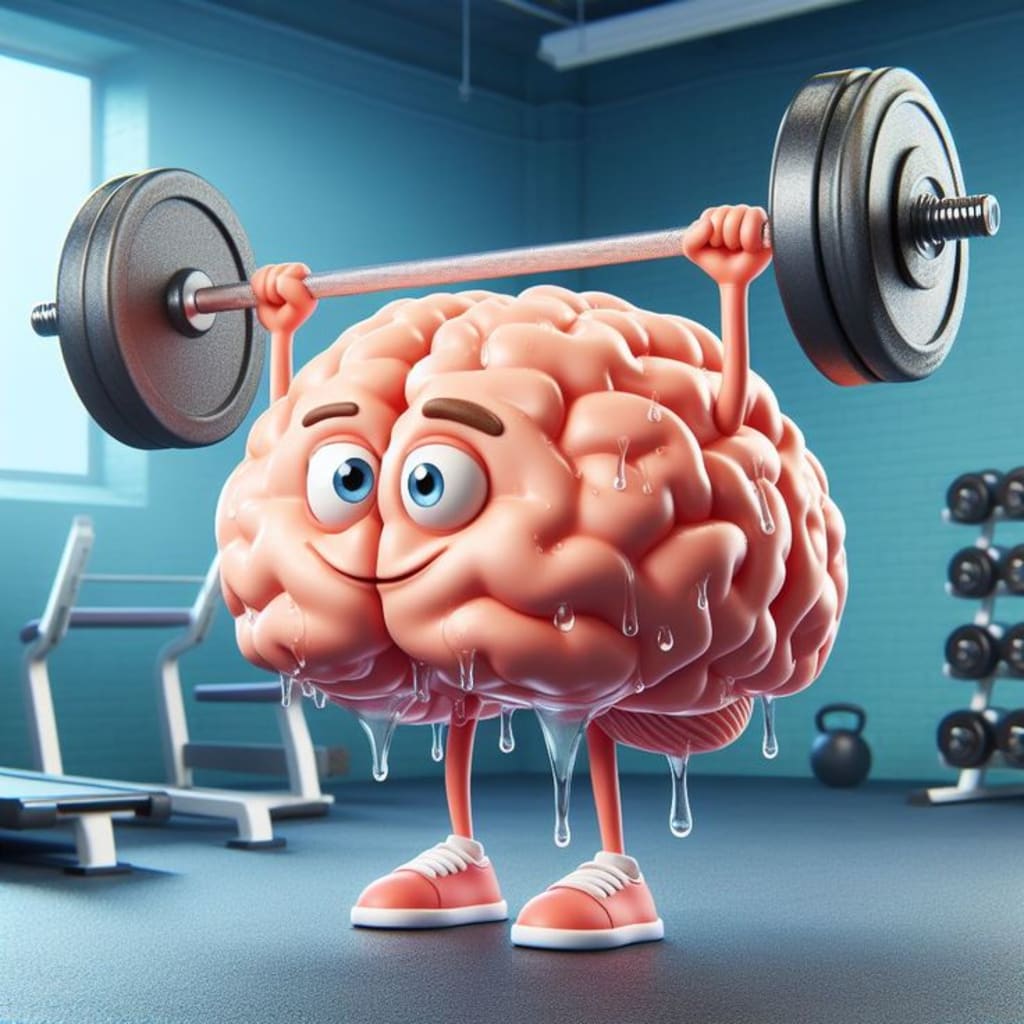
Aging is inevitable, but losing our mental sharpness doesn't have to be. Just like the body, the brain can stay fit and functional with the right care. Research now proves that aging brains can grow new connections, improve memory, and even become stronger over time—if we give them what they need. While many people worry about memory loss or dementia as they grow older, science shows there are practical steps we can take to slow down brain aging and enhance cognitive health.
(1) Stay Mentally Active
Just as physical exercise strengthens the body, mental exercise strengthens the brain. The brain thrives on challenge and learning. Studies show that lifelong learning helps reduce the risk of Alzheimer's disease and other forms of cognitive decline. Reading, solving puzzles, learning a new language, playing musical instruments, or even trying out new hobbies stimulates the brain’s neural networks.
(2) Move Your Body
Physical activity doesn't just help your heart and muscles—it feeds your brain too. Exercise increases blood flow to the brain and helps grow new brain cells, particularly in the hippocampus, the area responsible for memory. Aerobic exercises like walking, swimming, or cycling for at least 30 minutes a day, five days a week, have been linked to slower brain shrinkage and improved mental functions.
Even a simple daily walk can make a big difference. People who walk regularly in their 50s and 60s have a significantly lower risk of dementia in later years.
(3) Eat a Brain-Friendly Diet
What we eat plays a huge role in how our brain ages. Diets rich in antioxidants, omega-3 fatty acids, and vitamins support brain health. The Mediterranean diet—high in vegetables, fruits, nuts, olive oil, and fish—has been shown to reduce brain aging and the risk of Alzheimer's.
Foods like blueberries, turmeric, walnuts, leafy greens, and salmon are often called “brain foods” for a reason. They fight inflammation and protect against oxidative stress, two major contributors to brain aging.
On the other hand, processed foods, sugary drinks, and trans fats have the opposite effect. They increase the risk of memory loss and cognitive decline.
(4) Get Quality Sleep
Sleep is like a nightly cleaning service for the brain. During deep sleep, the brain clears out toxins and strengthens memories. Poor sleep, especially chronic insomnia, has been linked to faster brain aging and an increased risk of Alzheimer’s.
Adults should aim for 7–9 hours of quality sleep per night. Maintaining a regular sleep schedule, limiting screen time before bed, and creating a calm sleeping environment all help improve sleep quality.
(5) Stay Socially Connected
Humans are social creatures, and our brains are wired for connection. Studies show that people with strong social ties have a lower risk of cognitive decline. Engaging in meaningful conversations, participating in group activities, and staying connected with family and friends helps keep the mind active and emotionally health.
(6) Manage Stress
Chronic stress wears down the brain, especially the hippocampus. Cortisol, the stress hormone, damages memory and learning functions over time. Practicing mindfulness, meditation, yoga, or even simple breathing exercises can help calm the mind and protect the brain.
A 10-minute daily meditation can reduce anxiety, improve focus, and promote emotional balance. These effects, in turn, contribute to a healthier, younger brain.
(7) Challenge Your Brain Regularly
Don't let your brain get lazy. Just like a muscle, it weakens with inactivity. Try to regularly step out of your mental comfort zone. Switch up routines, take new routes, solve a crossword, or engage in a debate. These small challenges keep the brain adaptable and alert.
Final Thoughts
Brain aging is not something we must accept passively. With the right habits, we can take control of our mental future. These science-backed strategies—mental activity, physical exercise, healthy diet, quality sleep, social interaction, stress management, and regular brain challenges—form a powerful toolkit for lifelong brain health.
You don’t have to start big. Even small changes can add up to lasting improvements. Your brain is an amazing organ—nurture it, and it will reward you with clarity, memory, and vitality for years to come.
About the Creator
How to Become Successful
Success is one of the most misunderstood concepts in our world today. Many believe it comes from being in the right place at the right time or being lucky enough to be born into the right family. But real success—earned success—has nothing to do with luck or magic. It’s a process built on focus, grit, and growth.
By M Arshad7 months ago in Motivation
Day 4 of Quitting
If this is how sobriety feels, maybe it’s better to go through life a little buzzed… this, along with other hits like, I want to kill myself, I wish I was dead, and I’m going to throw myself off a bridge have been the only thoughts on rotation these past few days. I promise myself that if, in a month, I still feel like this (‘this’ meaning despondent, full of rage, and simultaneously numb) I can go back to smoking. Until mid-February though? Nicotine is off the table.
By sleepy drafts16 days ago in Longevity
I Looked Strong to Everyone, but I Was Falling Apart in Silence
Everyone thought I was strong. I was the one who checked on others, met deadlines, showed up with a smile, and said, “I’m good” without hesitation. If strength had a face, people told me it looked like mine.
By Fazal Hadi6 days ago in Longevity




Comments
There are no comments for this story
Be the first to respond and start the conversation.