
How to Identify a Stroke: This Knowledge Could Save a Life.
Learn the simple 3-step method that could help you detect a stroke and save someone’s life—before it’s too late.

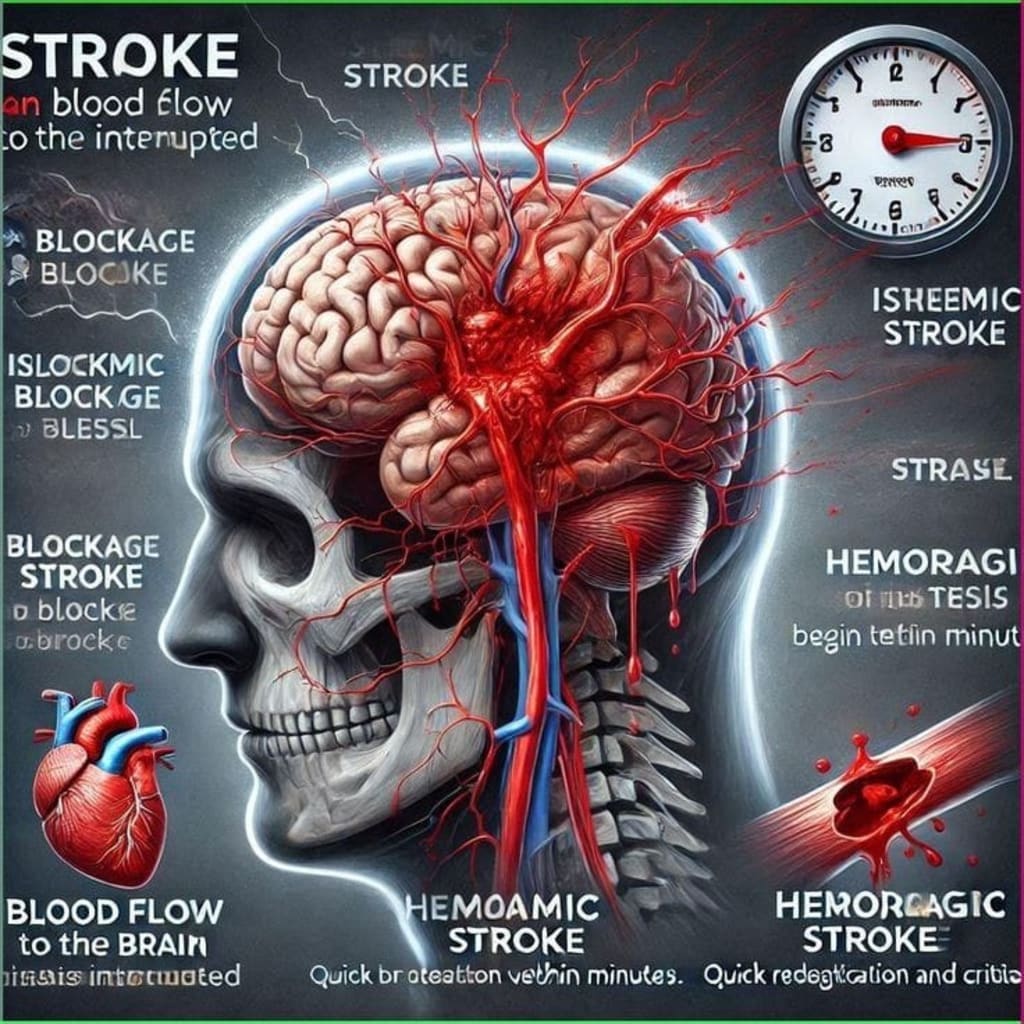
It happened at a fancy dinner party. A very well-dressed woman stumbled and fell to the floor, and everyone was freaking out at her, but she quickly got up and smiled as she brushed it off: "The new heels got caught on the tiles." Someone told her to call an ambulance, but she refused! She looked very calm, even went back to her plate and put some food on it, and stayed at the party the rest of the evening.
But there was something off. She was a little shaky, not her usual self. The next day around noon her husband called to say she was in the hospital and that by 6pm that day the devastation was over -- she had died.
Later on, doctors realized she had a stroke right at the time of the incident. If somebody around her had known how to look for these symptoms of a stroke, she might be here today.
But it isn't the only story here. Every year millions of people all over the world have a stroke, many of which are fatal or permanently crippling. What's sad is that those are "mistakes" that can be prevented if only people around the victim knew the warning signs and got on the act right away.
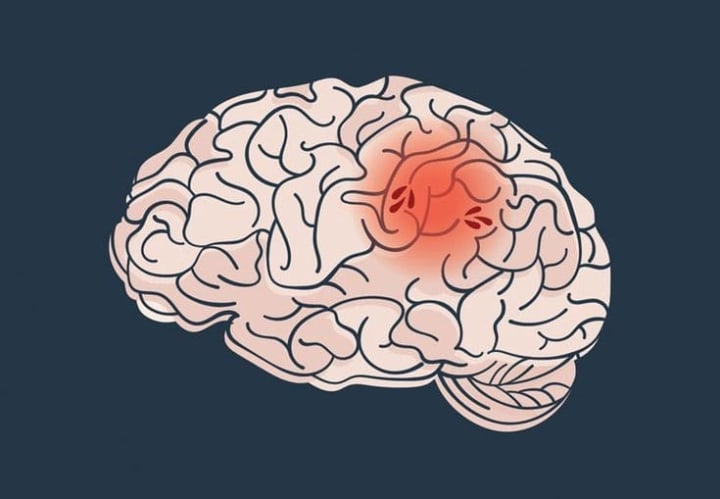
What Is a Stroke?
A stroke occurs when the blood supply to part of the brain is interrupted or reduced, preventing brain tissue from getting oxygen and nutrients. Within minutes, brain cells begin to die.
There are two main types:
Ischemic stroke: Caused by a blocked artery (most common).
Hemorrhagic stroke: Caused by a leaking or burst blood vessel.
Strokes are medical emergencies; early intervention can minimize brain damage and save lives.
The Critical 3-Hour Window
If the patient is treated within 3 hours of receiving the stroke, there is a far greater chance of recovery and survival, doctors say, but "to be effective, you need to be aware of the stroke immediately."
Here’s where public awareness becomes vital.
What Happens After A Stroke: The ‘S–T – R’ Test
It can also be almost as simple as asking the person to do 3 simple things: S–T–R. It 's called the S – T – R test.
S – Smile:
I suggest asking him to smile, and if one side of his face drops off or doesn't move evenly, then that 's a red flag.
T – Talk:
Just ask them to say something simple like, "Today is a beautiful day." Slurred or garbled speech is often a sign of a stroke.
R – Raise both arms:
Ask them to lift both arms at the same time. If one arm falls back or cannot be raised, it 's another red flag.
Bonus Test: The Tongue Check
Make the person stick their tongue out; if it is crooked or one side of the tongue leans in, you 'll know for sure.
Other common symptoms include:
- sudden numbness or weakness, particularly on one side of the body
Sudden confusion or trouble understanding speech
Sudden difficulty seeing in one or both eyes
Loss of balance, coordination, or sudden dizziness
Severe headache with no known cause
What To Do If You Suspect a Stroke
1. Call emergency services immediately (e.g., 911).
Never wait to "see if it gets better."
2. Note the time when symptoms first appeared.
This helps doctors decide on the best treatment.
3. Keep the person calm and still.
Don’t let them eat, drink, or move unnecessarily.
4. Tell all responders any relevant medical history, including diabetes, blood pressure, medications, etc.
Why This Matters
They've lost so many manylives just because there were people around who didn't notice what was happening. A stroke is not always so gruesome. Sometimes, as in the story above, it 's actually rather subtle - as in a stumble, a slurred word, or general tiredness. Those little signs are the brain just screaming for help.
Knowing the cause and seeing it quickly can save your life or prevent permanent disability.
Final Thoughts
It 's probably the most simple information out there. But as soon as you understand these signs of possible signs of suicide, you can help save a life - perhaps that of someone you love.
So don't keep this information to yourself. Share it with your family, friends, co-workers, and community. Encourage them to learn the S – T – R method! You never know when you 'll be the only person who recognizes what is going on.
Be aware. Be ready. Be a lifesaver.
About the Creator
Keep reading
More stories from Muhammad Hidayatullah and writers in Longevity and other communities.
Global Warming: Causes, Effects, and Solutions to Save Our Planet.
Global warming is no longer a teleological mystery—it’s a vital reality that affects our climate, weather patterns, and ecosystems right now. As the Earth’s average temperature rises, the balance of nature is being distorted in an unprecedented way – and we urgently need to learn more about it, to understand the consequences, and to put some practical measures in place.
By Muhammad Hidayatullah11 months ago in Earth
Amazon Savings Secrets for Disabled & Chronically Ill Shoppers
Disabled and chronically ill people often pay more for basic life: delivery fees, specialty items, replacements for things that break faster, and the constant “convenience tax” of needing things shipped because stores aren’t accessible.
By Tracy Stinea day ago in Longevity
Tatt~Master
— Assembly Line Tatt Machine ~ Impressions to Impress — As I begin to understand more about the Tattoo Phenomenon. I've written silly, yet verbatim, dating site anecdotes in 'Frazzled.' So let me ask you: Would you be More attracted to someone slathered with tattoos, or Less?
By Jay Kantor4 days ago in Humor


Comments (2)
Good Longevity...
Gd