
How to Get Rid of Abdominal Fat
A Comprehensive Guide to a Healthier You

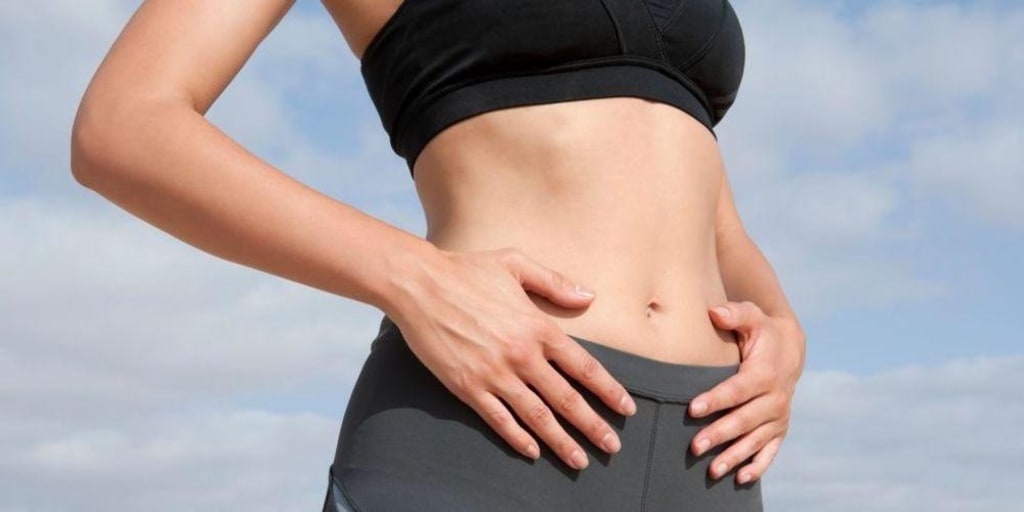
Abdominal fat, often referred to as belly fat, is more than just a cosmetic concern. It’s a health issue that can increase the risk of chronic conditions like heart disease, type 2 diabetes, and metabolic syndrome. While losing fat in this area can be challenging, it’s not impossible. With the right combination of diet, exercise, lifestyle changes, and even medical interventions like tummy liposuction, you can reduce abdominal fat and improve your overall health. In this blog post, we’ll explore the science behind belly fat, provide actionable tips to help you achieve a flatter, healthier midsection, and discuss the role of tummy liposuction as an option for those seeking more immediate results.
Understanding Abdominal Fat
Before diving into how to lose abdominal fat, it’s important to understand what it is and why it accumulates. There are two main types of abdominal fat:
- Subcutaneous Fat: This is the fat that lies just beneath the skin. While it can be stubborn, it’s less harmful than visceral fat.
- Visceral Fat: This fat surrounds your internal organs and is more dangerous. It’s linked to insulin resistance, inflammation, and an increased risk of chronic diseases.
Visceral fat is metabolically active, meaning it releases hormones and inflammatory substances that can disrupt your body’s normal functions. The good news? Visceral fat is often the first to go when you start making healthy changes.
Why Abdominal Fat is Stubborn
Abdominal fat tends to accumulate due to a combination of factors, including:
- Genetics: Your genes play a role in where your body stores fat.
- Hormones: Hormonal imbalances, particularly cortisol (the stress hormone), can lead to fat storage in the abdominal area.
- Diet: Consuming too many refined carbs, sugary foods, and unhealthy fats can contribute to belly fat.
- Lifestyle: Lack of physical activity, poor sleep, and chronic stress are major contributors.
Effective Strategies to Lose Abdominal Fat
1. Adopt a Healthy, Balanced Diet
- Focus on Whole Foods: Fill your plate with vegetables, fruits, lean proteins, whole grains, and healthy fats. These foods are nutrient-dense and help keep you full longer.
- Reduce Refined Carbs and Sugars: Cut back on white bread, pastries, sugary drinks, and processed snacks. These foods spike blood sugar levels and promote fat storage.
- Increase Protein Intake: Protein boosts metabolism, reduces appetite, and helps preserve muscle mass during weight loss. Include sources like eggs, fish, chicken, beans, and Greek yogurt.
- Choose Healthy Fats: Incorporate sources of monounsaturated and polyunsaturated fats, such as avocados, nuts, seeds, and olive oil. These fats support heart health and can help reduce visceral fat.Stay Hydrated: Drinking water can aid digestion, reduce bloating, and help control appetite.
2. Incorporate Regular Exercise
- Cardio Workouts: Activities like running, cycling, swimming, and brisk walking burn calories and help reduce overall body fat. Aim for at least 150 minutes of moderate-intensity cardio per week.
- Strength Training: Building muscle increases your resting metabolic rate, meaning you burn more calories even at rest. Include exercises like squats, lunges, deadlifts, and planks.
- High-Intensity Interval Training (HIIT): HIIT involves short bursts of intense exercise followed by rest periods. It’s highly effective for burning fat, including abdominal fat.
- Core Exercises: While spot reduction isn’t possible, strengthening your core with exercises like planks, Russian twists, and leg raises can tone your abdominal muscles.
3. Manage Stress Levels
Chronic stress leads to elevated cortisol levels, which can increase appetite and promote fat storage in the abdominal area. Try stress-reducing techniques like:
- Meditation
- Yoga
- Deep breathing exercises
- Spending time in nature
- Engaging in hobbies you enjoy
4. Prioritize Sleep
Poor sleep is linked to weight gain and increased abdominal fat. Aim for 7-9 hours of quality sleep per night. Tips for better sleep include:
- Establishing a consistent sleep schedule
- Creating a relaxing bedtime routine
- Limiting screen time before bed
- Keeping your bedroom cool and dark
5. Limit Alcohol Consumption
Alcohol is high in empty calories and can contribute to belly fat. If you drink, do so in moderation. For women, that means up to one drink per day, and for men, up to two drinks per day.
6. Stay Consistent and Patient
Losing abdominal fat takes time and effort. Focus on making sustainable lifestyle changes rather than opting for quick fixes or fad diets. Consistency is key.
Myths About Abdominal Fat
- Spot Reduction Works: Unfortunately, you can’t target fat loss in specific areas. Crunches alone won’t melt away belly fat. A combination of diet, cardio, and strength training is necessary.
- All Fats Are Bad: Healthy fats are essential for overall health and can actually help you lose fat when consumed in moderation.
- Extreme Diets Are the Answer: Crash diets may lead to short-term weight loss, but they’re unsustainable and can harm your metabolism.
The Role of Genetics
While lifestyle plays a significant role in fat distribution, genetics also influence where your body stores fat. Some people are predisposed to carry more weight in their abdominal area. However, even if you’re genetically prone to belly fat, adopting healthy habits can still make a significant difference.
Tummy Liposuction: A Surgical Option
For those who have tried diet and exercise but still struggle with stubborn abdominal fat, tummy liposuction can be an option. Liposuction is a cosmetic surgical procedure that removes excess fat deposits from specific areas of the body, including the abdomen.
What is Tummy Liposuction?
Tummy liposuction, also known as abdominal liposuction, is a procedure that suctions out fat from the abdominal area. It’s not a weight-loss solution but rather a body-contouring procedure designed to remove localized fat that doesn’t respond to diet and exercise.
Who is a Good Candidate?
• Individuals close to their ideal body weight.
• Those with good skin elasticity (as liposuction doesn’t address loose skin).
• People with stubborn fat deposits that resist diet and exercise.
• Non-smokers in good overall health.
What to Expect
• The procedure is typically performed under local or general anesthesia.
• Small incisions are made in the target area, and a thin tube (cannula) is used to suction out the fat.
• Recovery time varies but usually involves a few days of rest and several weeks of reduced activity.
• Results are visible once swelling subsides, with final results appearing after a few months.
Pros and Cons
Pros:
• Immediate fat reduction in targeted areas.
• Can enhance body contours and boost self-confidence.
• Minimal scarring due to small incisions.
Cons:
• Not a substitute for weight loss or a healthy lifestyle.
• Risks include infection, scarring, and uneven fat removal.
• Expensive and not typically covered by insurance.
• Requires downtime and recovery.
Is Liposuction Right for You?
If you’re considering tummy liposuction, consult with a board-certified plastic surgeon to discuss your goals, expectations, and potential risks. It’s important to have realistic expectations and understand that maintaining results requires a healthy lifestyle.
When to Seek Professional Help
If you’re struggling to lose abdominal fat despite making lifestyle changes, consider consulting a healthcare professional. They can help identify underlying issues like hormonal imbalances, insulin resistance, or thyroid problems that may be hindering your progress. For those considering surgical options, a qualified plastic surgeon can provide guidance on whether liposuction is a suitable choice.
Getting rid of abdominal fat requires a holistic approach that includes a healthy diet, regular exercise, stress management, and adequate sleep. While it may take time, the benefits extend far beyond a flatter stomach. Reducing abdominal fat can improve your overall health, boost your energy levels, and lower your risk of chronic diseases.
For those seeking more immediate results, tummy liposuction can be an effective option, but it’s not a substitute for a healthy lifestyle. Remember, the journey to a healthier you is about progress, not perfection. Celebrate small victories along the way, and don’t be too hard on yourself. With dedication and consistency, you can achieve your goals and enjoy a healthier, happier life.
What strategies have worked for you in reducing abdominal fat? Have you considered or undergone tummy liposuction? Share your experiences and tips in the comments below! Let’s support each other on this journey to better health.
About the Creator
Nazmi Baycin
Dr. Nazmi Baycin is a renowned, board-certified plastic surgeon based in Dubai, with over two decades of experience in aesthetic and reconstructive surgery. He is known for his precision and artistry that deliver natural-looking results.
Keep reading
More stories from Nazmi Baycin and writers in Longevity and other communities.
How Permanent is a Brow Lift
A brow lift, also known as a forehead lift, is a popular cosmetic surgery procedure designed to give the face a more youthful and refreshed appearance. By lifting and tightening the skin of the forehead and eyebrows, it can smooth out forehead wrinkles, reduce drooping eyelids, and give the eyes a more open, energized look. But a common question many patients ask is: How permanent is a surgical brow lift?
By Nazmi Baycin12 months ago in Longevity
Day 4 of Quitting
If this is how sobriety feels, maybe it’s better to go through life a little buzzed… this, along with other hits like, I want to kill myself, I wish I was dead, and I’m going to throw myself off a bridge have been the only thoughts on rotation these past few days. I promise myself that if, in a month, I still feel like this (‘this’ meaning despondent, full of rage, and simultaneously numb) I can go back to smoking. Until mid-February though? Nicotine is off the table.
By sleepy drafts9 days ago in Longevity
United States Tumor Profiling Market Size and Forecast 2025–2033
United States Tumor Profiling Market Overview The United States Tumor Profiling Market is positioned for robust and sustained expansion as precision oncology becomes central to modern cancer care. According to Renub Research, the market is expected to grow from US$ 3.41 billion in 2024 to US$ 7.44 billion by 2033, registering a compound annual growth rate (CAGR) of 9.05% from 2025 to 2033.
By Aaina Oberoi7 days ago in Longevity



Comments
There are no comments for this story
Be the first to respond and start the conversation.