
How to donate your toys and kids’ clothes: A Guide to Spreading Joy
In this blog, we’ll explore how to donate gently used toys, clothes, and more.

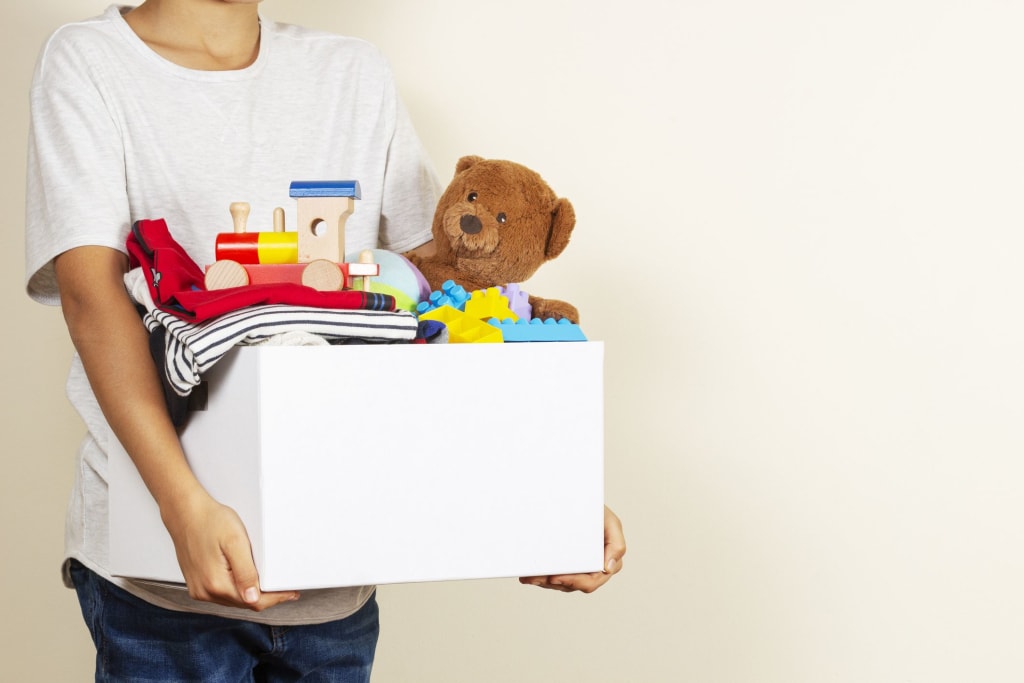
Donating toys and kids’ clothes is a kindness that brings joy, giving the toys and clothes a new life and bringing smiles to children’s faces. Where things get a bit tricky, being kind and understanding is super-duper important. Do things that bring happiness to others; donate your child’s toys and clothes, which are very much needed by children who are in great need of these items, allowing the toys & clothes to gain a new life. These kinds of help are a nice way to show kindness.
Donation is one of the kindest things that everyone can do. They can donate items to children who need them, such as toys, clothes, and other things that help those parents who cannot provide for their kids just because of their financial circumstances.
In this blog, we’ll explore how to donate gently used toys, clothes, and more. However, the child receives those items and makes new memories with them.
Why Donate?
There are many good reasons to give away your child’s outgrown items:
- Help families in need—many parents struggle to afford new clothes and toys. Your donations can make a real difference.
- Teach your children about kindness—donating together shows kids the importance of sharing and helping others.
- Reduce waste—reusing toys and clothes keeps them out of landfills.
- Clear your home—fewer unused items mean more space and less clutter in your living areas.
Step 1: Sort Through Items
Start by going through your child’s things and making three piles: keep, toss, and donate.
For toys, ask yourself:
- Is it clean?
- Does it still work?
- Is it missing pieces?
For clothes, check:
Are they free from stains or rips?
Are all buttons and zippers intact?
Are they still wearable and season-appropriate?
Only choose items that are in good condition. Remember, the goal is to donate gently used toys and clothing, not worn-out or broken ones.
Step 2: Clean and Prepare
Before you donate anything, give it a quick refresh.
- Wash all clothes so they’re fresh and folded neatly.
- Wipe down toys with a safe disinfectant. If the toy has batteries, test to make sure they work, or remove the batteries if needed.
- Bag or box items by category. It makes easy for donation centers to sort and distribute them
Making the effort to clean and organize your items shows respect for the families who will receive them.
Step 3: Choose Where to Donate
Some places welcome gently used toy donations and children’s clothing. Here are a few options:
1. Local Charities and Thrift Stores
Places like Goodwill, The Salvation Army, and local shelters often accept children's items. Call ahead to check what they accept.
2. Churches and Community Centers
Many local organizations run clothing and toy drives, especially during holidays and back-to-school seasons.
3. Hospitals and Children’s Homes
Some hospitals accept gently used toy donations for playrooms or long-term care patients. Children’s homes and foster care agencies often welcome both clothes and toys.
4. Online Groups
Facebook Marketplace, Buy Nothing groups, and neighborhood apps like Nextdoor are great for connecting directly with families who need your items.
5. Donation Bins
Some areas have donation bins where you can donate old toys and clothing. Make sure they’re well-maintained and operated by a reliable organization.
Step 4: Involve Your Child
Donating can be a great learning experience for kids. Here’s how to involve them:
- Let them help choose which items to donate.
- Explain how their old toys or clothes can make another child happy.
- Read a book or watch a short video together about giving to others.
It’s a simple act that can plant the seeds of generosity early.
Step 5: Keep It Going
Make donating a regular habit, not just a once-a-year event.
- Set up a “donation box” at home where you can add items throughout the year.
- Do a clean-out with your kids every season.
- Encourage friends and family to join in your giving efforts.
Over time, this small habit can make a big difference—not just in your home, but in your community.
Final Tips
- Don’t donate trash—if it’s broken, stained, or unsafe, it’s better to recycle or toss it.
- Check safety recalls—make sure toys haven’t been recalled.
- Keep sets together—if you’re giving puzzles or games, ensure all parts are included.
Conclusion
Giving your child’s outgrown items a second life is one of the easiest and most effective ways to support other families. When you donate gently used toys and clothes, you’re not just decluttering—you’re spreading joy, offering comfort, and fostering a culture of kindness.
So, the next time your child says, “I don’t play with this anymore,” smile. It’s a perfect moment to teach them about giving. Whether you’re dropping items off at a center or handing them directly to a neighbor, every act of giving counts.
Take a moment today to look through those overflowing drawers and bins. You might be surprised at how much joy you can share when you donate old toys and clothes that no longer serve your family but could mean the world to someone else.
About the Creator
Ace of Hearts Project
The Ace of Hearts Project, based in Santa Ana, CA, spreads joy by delivering toys to children in need and writing Letters of Love to children in hospitals, promoting care, and seniors in assisted living.
Keep reading
More stories from Ace of Hearts Project and writers in Longevity and other communities.
What are the best toys to donate?
There's something heartwarming about providing a child with the present of play. Whether it's at the holiday season, a birthday drive, or a community outreach initiative, donating toys can bring joy to kids who need it most. If you want to make an impact but aren't quite sure what types of toys to donate, this guide will take you through the top toys for donation—those that put smiles on faces, are safest, and have the greatest impact.
By Ace of Hearts Project9 months ago in Longevity
Day 4 of Quitting
If this is how sobriety feels, maybe it’s better to go through life a little buzzed… this, along with other hits like, I want to kill myself, I wish I was dead, and I’m going to throw myself off a bridge have been the only thoughts on rotation these past few days. I promise myself that if, in a month, I still feel like this (‘this’ meaning despondent, full of rage, and simultaneously numb) I can go back to smoking. Until mid-February though? Nicotine is off the table.
By sleepy drafts10 days ago in Longevity
How to Read More: 12 Book-ish Things to Help Clear Your To-Read List
If your to-read list keeps growing faster than you can turn pages, you’re not alone. Many book lovers dream of reading more, yet struggle to find the time, focus, or momentum to actually do it. Between busy schedules, digital distractions, and reading slumps, even the most enthusiastic readers can feel stuck. The good news? Reading more isn’t about speed or pressure—it’s about building habits that fit naturally into your life. Here are 12 book-ish, practical ways to finally start clearing that to-read list and rediscover the joy of reading. 1. Ditch the Guilt Around Unfinished Books Not every book is meant for you at this moment. If a title isn’t clicking after a fair try, give yourself permission to stop. Letting go of unread or half-read books creates mental space—and motivation—for books you’ll truly enjoy. 2. Read Multiple Books at Once Contrary to popular belief, reading several books simultaneously can boost your reading life. A novel for bedtime, a non-fiction book for mornings, and a short story collection for quick breaks allow you to read according to your mood and energy level. 3. Always Carry a Book (or E-Reader) Idle moments add up. Waiting in lines, commuting, or sitting between appointments can become reading time if you always have a book handy. Even 10 minutes a day can translate into dozens of finished books over a year. 4. Set a Daily Page Goal—Not a Time Goal Instead of saying “I’ll read for 30 minutes,” try “I’ll read 10 pages.” Page goals feel more achievable and measurable, helping you maintain consistency without feeling overwhelmed. 5. Replace Doom-Scrolling With Page-Turning Social media often steals reading time without us realizing it. Try a simple rule: read for 10 minutes before opening any social app. This small habit shift can dramatically increase your reading hours. 6. Create a Reading Ritual Rituals train your brain to associate reading with comfort. Whether it’s reading with morning tea, before bed, or during lunch breaks, attaching books to a routine makes reading automatic rather than optional. 7. Make Your To-Read List Work for You An endless list can feel intimidating. Break it into smaller categories like “Read This Month,” “Quick Reads,” or “Comfort Books.” Prioritizing makes the list motivating instead of stressful. 8. Embrace Audiobooks Without Shame Audiobooks count. Whether you’re driving, cooking, or exercising, listening to books keeps stories flowing through your life. Many readers find audiobooks help them finish more titles than print alone. 9. Read What Excites You—Not What You “Should” Read Reading isn’t a competition. If thrillers, romance, or fantasy excite you, read them proudly. Enjoyment is the strongest motivator for consistency, not literary prestige. 10. Join a Reading Community Book clubs, reading challenges, or online communities create accountability and excitement. Discussing books with others can reignite enthusiasm and introduce you to titles you might never pick up otherwise. 11. Track Your Reading Progress Seeing progress is powerful. Whether through a reading journal, app, or simple checklist, tracking books read reinforces your habit and gives a sense of accomplishment that fuels momentum. 12. Reread Old Favorites When motivation is low, return to a beloved book. Rereading reminds you why you fell in love with reading in the first place and often acts as a gateway back to new books. Reading More Is About Kindness, Not Discipline Clearing your to-read list doesn’t require superhuman focus or massive lifestyle changes. It’s about removing pressure, choosing joy, and building small habits that last. When reading becomes something you look forward to—rather than another task—it naturally finds its place in your day. Books aren’t meant to be conquered; they’re meant to be experienced. Start small, stay curious, and let stories meet you where you are. Your to-read list will shrink—not through force, but through love.
By Fiaz Ahmed Brohi2 days ago in Longevity


Comments
There are no comments for this story
Be the first to respond and start the conversation.