
How to deal with head trauma
How to deal with head trauma


Head trauma is mostly caused by sharp or blunt instruments. It is usually divided into three types: scalp injury, skull injury and brain injury. The wound is not easy to close on its own. If the injury is minor, a slight headache or swelling may occur. If the injury is severe, a concussion may occur, and in severe cases, the injured may be shocked.
What are the typical manifestations of head trauma?
1. Scalp injury. Scalp injuries mainly include scalp hematoma, scalp laceration and scalp avulsion. Scalp hematomas are mostly caused by blunt instruments. According to the different levels of hematomas that appear in the scalp, they can be divided into three types: subcutaneous hematomas, subglacial subaponeurotic hematomas and subperiosteal hematomas. Scalp lacerations are mostly caused by blunt or sharp objects. There are more blood vessels in the scalp, and shock caused by more blood loss may occur; avulsion of the scalp is often caused by mechanical force on the hair braid, which leads to avulsion of the large scalp, which can lead to hemorrhagic or painful shock.
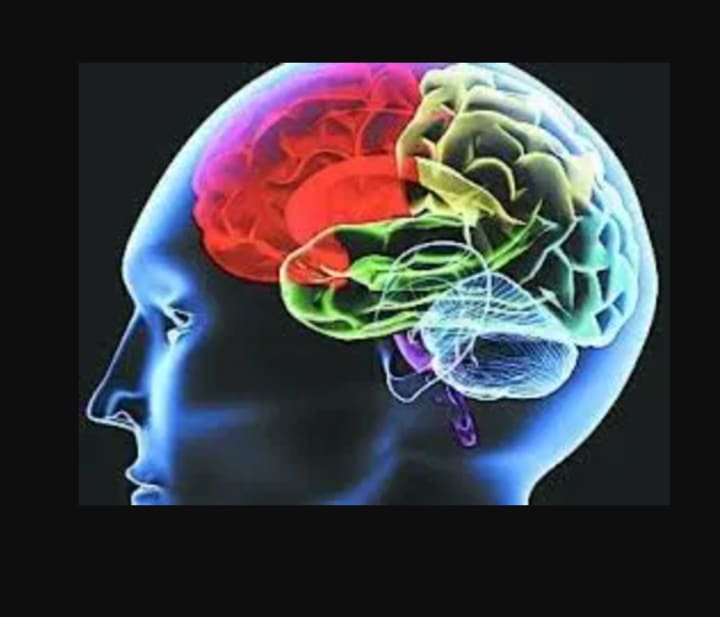
2. Skull fractures. Skull fractures are mostly caused by violent effects on the skull, often with tenderness, swelling, fractures and other manifestations of the injured area, and often cause meningeal, cerebrovascular damage, nerve damage and intracranial infection. In addition, once the sunken area is touched, symptoms such as hemiplegia, aphasia and epilepsy will appear.
3. Brain damage. Brain injury is usually brain dysfunction, and its clinical manifestations are concussion, brain parenchymal injury, intracranial hematoma and so on. The main symptoms are mostly disturbance of consciousness, headache, nausea and vomiting. If the important brain function area is touched, symptoms such as hemiplegia, aphasia and epilepsy may occur.
How to deal with different degrees of trauma?
According to the severity of the patient's condition, different treatment methods are adopted.
For patients with bleeding from scalp trauma, compression bandage can be used to stop bleeding and remove foreign bodies in the wound as soon as possible. Conscious patients should stay in the emergency room for observation for a period of time, while unconscious patients should be hospitalized for observation.
For patients with skull fractures, it is necessary to formulate corresponding treatment plans based on changes in the condition and combined with CT results. Patients with heavy bleeding and severe injuries may need to be treated with surgery combined with drugs, and they need to be transferred to the intensive care unit to observe the patient’s vital signs after surgery.
For patients with brain injury, a series of examinations must be carried out first, and treatment will be carried out according to the condition. Concussion patients recover mainly by rest, and take medication to improve dizziness, vomiting and other symptoms and promote cerebral circulation. During this period, the patient's condition should be closely observed to avoid delayed bleeding and injury in the brain.

special reminder:
Regardless of the injury, the patient's condition should be closely observed for head trauma to avoid missed treatment due to a momentary negligence.
Patients who have no obvious symptoms after head trauma can observe on their own for 1 to 3 days. If there are still no abnormalities, they can continue to cultivate at home.
For example, there was a transient disturbance of consciousness during the early head impact, and the general condition is good afterwards. Once the neuropsychiatric symptoms reappear, it is called "intermediate awake period" professionally, and the intracerebral hemorrhage prompts must be seen immediately.
If there is a head hematoma, but no symptoms such as coma, headache, nausea, vomiting, or disturbance of consciousness, you can continue to observe at home. If the above symptoms occur, please consult a doctor in time.
If the patient has a history of traumatic coma, persistent headaches, vomiting, and symptoms gradually aggravated, with symptoms such as nasal water or bleeding, he needs to go to the hospital for head CT examination immediately. Patients with obvious craniocerebral injury must keep the airway unobstructed on the way to the hospital, prevent vomiting and suffocation, and observe the patient's breathing, pulse, blood pressure, pupils and mental changes.
About the Creator
Keep reading
More stories from writers in Longevity and other communities.
Day 4 of Quitting
If this is how sobriety feels, maybe it’s better to go through life a little buzzed… this, along with other hits like, I want to kill myself, I wish I was dead, and I’m going to throw myself off a bridge have been the only thoughts on rotation these past few days. I promise myself that if, in a month, I still feel like this (‘this’ meaning despondent, full of rage, and simultaneously numb) I can go back to smoking. Until mid-February though? Nicotine is off the table.
By sleepy drafts24 days ago in Longevity
The Overlooked Role of Sensory Input in Balance and Movement Stability
Why Balance Is a Sensory Skill—Not Just a Strength Issue How sensory-motor awareness influences stability. Most people assume balance problems come from weak muscles or lack of exercise. While strength plays a role, balance is actually driven by something much deeper: how well your body senses itself in space.
By AhmedFitLife6 days ago in Longevity



Comments
There are no comments for this story
Be the first to respond and start the conversation.