
How Does Gynecological Inflammation Impact Ovulation?
Can Gynecological Inflammation Influence Ovulation?

Gynecological inflammation is a broad term that encompasses a range of inflammatory diseases affecting various parts of the female reproductive system. This condition is often caused by infections resulting from bacteria, viruses, fungi, and other pathogens, leading to tissue damage within the reproductive tract.
Common types of gynecological inflammation include vulvitis, vaginitis, cervicitis, endometritis, salpingitis, oophoritis, pelvic peritonitis, and inflammation of the pelvic connective tissue. These conditions can severely impact a woman's reproductive health and overall well-being, making it crucial to understand their causes, potential effects on ovulation, and available treatments.
Common Causes of Gynecological Inflammation
1. Unhealthy Habits:
Unhealthy practices during menstruation, such as infrequent changing of sanitary products, can irritate the external genitalia. Prolonged wearing of tight, poorly ventilated underwear can create a moist environment, allowing pathogens to thrive and invade the reproductive tract, leading to inflammation.
2. Excessive Cleaning:
Overzealous cleaning of the reproductive area, especially with detergent products, can disrupt the natural balance of the local environment. This disruption may lead to abnormal microbial growth and increase the risk of gynecological inflammation. Additionally, excessive vaginal douching can disturb the natural microbial structure of the vagina, further heightening the risk of bacterial infections.
3. Reduced Immunity:
A weakened immune system, whether due to irregular routines, excessive stress, overwork, lack of sleep, or underlying conditions like anemia, diabetes, and autoimmune diseases, can make the body more susceptible to infections. A compromised immune system may struggle to fend off invading pathogens, leading to gynecological inflammation.
4. Gynecological Procedures:
Frequent gynecological procedures, such as artificial abortions or hysteroscopy, can damage the mucous membranes of the reproductive tract. If proper aseptic techniques are not followed during these procedures, or if postoperative care is inadequate, pathogens may invade and cause inflammation.
5. Poor Sexual Hygiene:
Engaging in sexual activities during menstruation, having multiple sexual partners, or practicing unprotected intercourse can introduce pathogens into the reproductive tract. This can lead to various types of gynecological inflammation, including those affecting the cervix and uterus.
Does Gynecological Inflammation Affect Ovulation?
Under normal circumstances, gynecological inflammation does not directly interfere with the process of ovulation. However, the condition can lead to complications such as ovarian dysfunction and reduced egg quality, which can indirectly impact ovulation. The extent of the impact varies depending on the type and severity of the inflammation. Below are some common ways in which gynecological inflammation can affect ovulation:
1. Ovarian Dysfunction:
Inflammation may spread to the ovaries, causing infection, inflammation, or structural damage. This can impair ovarian function, leading to ovulation disorders and potentially affecting fertility.
2. Tubal Blockage:
Gynecological inflammation often affects the fallopian tubes, leading to conditions like salpingitis, adhesions, and scarring. These complications can obstruct the normal passage of eggs and sperm, hindering fertilization and reducing the chances of conception.
3. Uterine Endometrial Abnormalities:
Inflammation can also affect the uterine lining (endometrium), leading to conditions such as endometriosis, thickening, or abnormal shedding. These issues can interfere with the implantation of a fertilized egg, thereby affecting the overall fertility process.
While local ovarian inflammation can directly impact ovulation, infections such as vaginitis, cervicitis, endometritis, and pelvic inflammatory disease are less likely to have a direct effect. Nevertheless, these conditions can still create an unfavorable environment for ovulation and conception, emphasizing the importance of early medical intervention and treatment.
Treatment Options for Gynecological Inflammation
1. Drug Therapy:
The primary treatment for gynecological inflammation is the use of antibiotics to eliminate pathogens, control infections, and alleviate symptoms. The choice of antibiotics is usually based on the type of pathogen involved. Commonly used antibiotics include metronidazole and clindamycin. If standard antibiotic therapy is ineffective or if resistance develops, Traditional Chinese Medicine, such as Fuyan Pill, can be considered. Fuyan Pill is effective in treating inflammation in the cervix, uterus, pelvis, and ovaries, offering a natural alternative with minimal side effects.
2. Physical Therapy:
Physical therapies are used to improve blood circulation in the affected areas, which helps in the absorption and resolution of inflammation. Techniques such as laser cryotherapy and microwave therapy are commonly employed.
3. Partner Therapy:
For sexually transmitted infections like trichomonas vaginitis and certain cervical infections, joint treatment with sexual partners is necessary. It is important to avoid unprotected sexual activity until both partners have fully recovered to prevent reinfection.
4. Surgical Treatment:
In cases where infections have led to abscess formation in the fallopian tubes, pelvis, or ovaries, surgical intervention may be required if medical management fails. Depending on the patient's condition, the surgeon may choose between laparoscopic surgery and open surgery to remove the affected tissue.
About the Creator
Jane Smith
Haha, just to share some health knowledge.
Keep reading
More stories from Jane Smith and writers in Longevity and other communities.
The Porcelain Protocol: Engineering Perfection in the Middle Kingdom
In the shimmering high-rises of Chengdu and the bustling tech hubs of Shenzhen, a new kind of industrial revolution is taking place—one that isn't measured in steel output or software exports, but in the precise millimeters of a double-eyelid crease and the sharp angle of a "V-line" jaw. China has rapidly evolved into the world’s most sophisticated laboratory for cosmetic transformation. What was once a hushed medical necessity or a luxury for the cinematic elite has transformed into a standardized, multi-billion-dollar rite of passage for the modern Chinese woman. To understand this phenomenon is to peel back the layers of a society caught between ancient physiognomy and a hyper-competitive digital future.
By yusuf selho3 days ago in Longevity
Double Duty: Masters and Select Group of Paralympians Compete in Both Summer and Winter Games
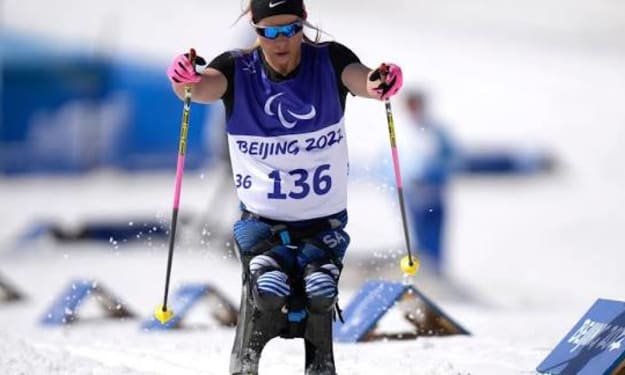
In the rarefied world of elite sport, competing at either the Summer or Winter Games represents the pinnacle of athletic achievement. Yet a remarkable handful of athletes — both Masters competitors and Paralympians — have defied seasonal boundaries to compete on both grand stages. Their stories are defined by extraordinary versatility, sheer determination, and a relentless pursuit of excellence across multiple disciplines. For most athletes, specialization is the norm. Training regimens, muscle memory, and competitive calendars are built around one sport and one set of conditions. But for a select group of competitors, the call of multiple seasons and disciplines proved irresistible. Masters Athletes: Age Is Just a Number Masters athletes — competitors typically over the age of 35 who continue to train and compete at elite levels — have long demonstrated that age does not signal athletic decline. But an increasingly visible subset of Masters competitors has taken things a step further: mastering two contrasting environments. Take the example of Brenda Lawson (USA), a 47‑year‑old who has carved a niche for herself in both track cycling and cross‑country skiing. For Lawson, the transition between Summer and Winter sports was not merely seasonal but philosophical. “I love pushing my body in every environment I can,” she says. “Summer cycling builds raw power; winter skiing refines endurance and technique. They complement each other in ways people don’t realize.” Lawson’s training cycle shifts with the calendar. Winter mornings find her striding through snowy trails before dawn, poles in hand and breath streaming in the cold air. Come spring, those same trails become the foundation for explosive leg strength on her racing bike. It’s a dual pursuit that keeps her in peak condition year‑round — and has earned her Masters World Championships medals in both disciplines. Paralympians Break the Seasonal Barrier For Paralympians, the challenge of mastering multiple sports is often layered with additional adaptive complexities. Yet several athletes have embraced these challenges, achieving success in both Summer and Winter Games. One standout example is Marcus Kwan (Canada), a visually impaired athlete who has competed in both wheelchair racing and para‑alpine skiing. Kwan’s sporting journey began on the velodrome, where he quickly excelled in sprint events. But an unexpected encounter with skiing during an adaptive sports clinic changed the trajectory of his career. “Skiing taught me to trust sensations beyond sight,” Kwan explains. “The speed, the focus, the absolute surrender to the moment — it all felt like an extension of what I love about racing.” Kwan’s training demands careful balancing. He juggles strength work, tactile sensory drills, and coordination exercises that serve both sports. Off‑season, he dives into skiing camps and hones his technique with a guide; warmer months bring wheelchair track training and road racing. His efforts culminated in Paralympic appearances in both disciplines — an achievement few athletes, regardless of ability, can claim. Crossover Training: A Scientific Edge Sports scientists observing this phenomenon note significant physiological and psychological benefits from multi‑discipline competition. Dr. Elena Torres, a performance specialist, emphasizes cross‑training’s role in longevity and injury prevention. “Athletes who engage in varied sports reduce repetitive strain while developing broader physical competencies,” Dr. Torres says. “Endurance athletes, for instance, gain explosive strength from sprinting disciplines, while power athletes improve stamina through sustained aerobic work. The result can be a more resilient, adaptable athlete.” There are mental benefits as well, she adds. “Seasonal shifts introduce novelty. That breaks monotony and can renew motivation — which is crucial for Masters and Paralympic athletes alike, many of whom train intensely over decades.” Redefining Athletic Boundaries These dual‑season athletes are pushing the boundaries of what is considered possible. Their journeys challenge long‑held assumptions about aging, adaptation, and the limitations imposed by categorical sport divisions. At competitions ranging from the Masters World Games to Paralympic Winter and Summer Games, the presence of these double‑duty athletes serves as inspiration. They remind us that athletic identity need not be confined to a single season, discipline, or life stage. As Brenda Lawson reflects, “Sport is a landscape, not a lane. If you’re curious and committed, there’s a whole terrain out there waiting to be explored.”
By Fiaz Ahmed 5 days ago in Longevity



Comments
There are no comments for this story
Be the first to respond and start the conversation.