
How are people infected by the new coronavirus?
Procedure with which COVID-19 Infects People

The new coronavirus pneumonia pandemic / epidemic still affects the fitness and health of the public. In terms of clinical manifestations, most of the infected people have no symptoms or have mild symptoms, but there are also many severely ill patients who have even been taken away by the virus.
How does the virus invade our body? Why does the same virus infection cause such hugely different symptoms of virus infection in different infected individuals?
Huang Bo, deputy director of the Institute of Basic Medicine of the Chinese Academy of Medical Sciences, executive deputy director of the Department of Immunology, distinguished professor and doctoral supervisor of the Association Scholars of the Chinese Academy of Medical Sciences and Peking Union Medical College, and vice chairman of the Chinese Society of Immunology, gave detailed answers for all of us:
Q. How does the virus invade our body?
Answer. The basic functional unit of the human lung is the alveoli. The left or right lung of an adult contains about 350 million alveoli. The alveoli share a membrane with the capillaries of the lung tissue (the blood vessel wall of the capillaries and the alveolar membrane are shared), through the shared membrane, oxygen and carbon dioxide are here Exchange.
The alveoli are like a balloon. When we inhale, the alveoli expand and oxygen enters the alveoli, passes through the membrane shared by the alveoli and capillaries, and enters the blood, while the carbon dioxide in the blood enters the alveoli through the shared membrane.
One by one alveoli is connected up to extremely small bronchi (terminal bronchi) through its balloon-like mouth, and these terminal bronchioles are connected to their upper bronchioles, and then connected up to the bronchus and even the trachea.
The trachea connects up to the larynx, pharynx, and nasal cavity. When we exhale, the alveoli contract, and carbon dioxide is discharged from the nasal cavity through the above-mentioned channels, thus completing the physiological functions of the lungs. This structure of lung tissue is an objective condition for clinical symptoms caused by current viral infections.
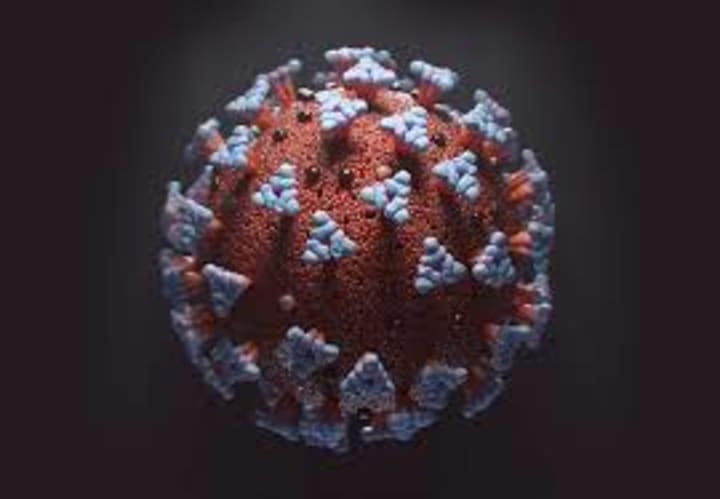
When the new coronavirus infects the human body, it enters the human throat through the nasal cavity and oral cavity, and can further spread to the trachea and smaller bronchi, and then reach the alveoli, forming a full picture of lung tissue infection.
Q. Why are the symptoms of the new coronavirus infection different?
Answer. Most of the cells on the surface of the airways (bronchioles, bronchiole, etc.) contain long and thin cilia (like brushes).
In addition, some cells on the surface are called goblet cells, which can secrete mucus. This mucus can wrap the virus and relying on the upward push of the cilia, the mucus is expelled from the oral cavity through the airway, which is called sputum (this sputum and the droplets splashed by coughing contain virus particles).
However, when the virus invades the alveoli, due to the lack of cilia and goblet cells in the alveoli, it is difficult to expel the secretions and tissue cell fragments caused by the virus to the body through the above-mentioned physical movement, resulting in dry cough symptoms and a feeling of chest tightness.
Then, after the virus infection, why will there be fever symptoms, and fever is a very critical indicator? This has to be said about the defense function of the immune system against virus invasion.
The respiratory system is an open system, which is always in contact with foreign invaders. Therefore, from the portal nasal cavity to the alveoli, there are numerous immune cells working hard, playing the role of defensive surveillance:
(1) Once the virus enters the nasal cavity and encounters immune cells (one or two viruses may not meet immune cells), immune cells recognize the virus and send out alarms (release immune factors), thereby stimulating the nerve endings of the nasal mucosa and causing the body Sneezing will expel the invading virus, but this defense mechanism is very rough;
(2) Viruses that have not been discharged will invade the throat due to the suction generated by inhalation. The throat contains mucus and a large number of immune cells. The mucus adheres to the virus, so that the immune cells can fully contact the virus. Direct phagocytosis.
On the other hand, immune cells are activated to release inflammatory cytokines and chemokines to further "recruit" immune cells into the site, thereby inhibiting and attacking the virus;
(3) Part of the virus breaks through the defenses of the throat and enters the trachea and bronchi. The surface of these tubes has a mucosa composed of ciliated epithelial cells, goblet cells that secrete mucus, and immune cells. The smooth muscle layer is below the mucosal layer.
When the virus infects epithelial cells, immune cells are also activated, releasing factors to promote goblet cells to secrete mucus, stimulate the contraction of smooth muscles, and produce cough and sputum symptoms;
(4) However, if the patient has symptoms of dry cough, it means that the virus has broken through the defense lines of the trachea and bronchus and invaded the alveoli.
The immune cells in the alveoli will also be activated. In this way, the immune cells in a whole set of links are activated to release cytokines such as interleukin-1, interleukin-6, tumor necrosis factor, etc., which directly stimulate the body temperature regulation center and cause the body to heat up.
In addition, if the virus invades the alveoli, if it causes a large number of alveolar epithelial cells to die, the dead substances released by it will further stimulate the immune cells and trigger a stronger fever response, which can be manifested as a continuous high fever. Fever response is actually a protective mechanism of the body.
On the one hand, excessive temperature can inhibit virus replication, and on the other hand, increased temperature can enhance the defense capabilities of immune cells.
In addition to fever symptoms, this new coronavirus infection, some patients have gastrointestinal symptoms such as diarrhea. This is because the throat is connected to the esophagus.
Some viruses may enter the digestive tract through the throat, infect intestinal epithelial cells and activate the intestine. Tract immune response, producing gastrointestinal symptoms.
Q. Why do most young people have milder symptoms and older people have more severe symptoms?
Answer. Although the respiratory system is an open system that communicates with the outside world, it has multiple links from beginning to end, all of which are heavily guarded by the deployment of immune cells to prevent virus invasion.
Type I interferon is one of the most important antiviral weapons of cells, and its main function is to inhibit the replication of viruses in cells. For the Wuhan new coronavirus, when it invades healthy individuals and infects their lung epithelial cells, the epithelial cells themselves will quickly produce type I interferon to resist viral infection.
More importantly, activated immune cells can release a large amount of type I interferon, thereby controlling the replication of the virus in the cell.
In addition, activated macrophages (an important type of natural immune cells with powerful phagocytic function) can swallow free virus particles outside the cells, while natural killer cells (another type of natural immune cells that can kill virus-infected cells).
By killing the infected cell, the virus inside the cell is destroyed. This kind of anti-viral reaction can happen within a few hours. What’s more important is that in this killing process, the information of virus invasion will be transmitted to the immune system base camp (called lymph nodes in medicine), and the anti-viral.
The main force T cells and B cells are stationed in this area, they receive instructions, and after 5-14 days of preparation (T cells 5-7 days, B cells about 14 days): B cells become SWAT soldiers (called plasma in medicine) Cells), which produce and secrete antibodies in large quantities. The antibodies circulate through the blood to the site of the virus to bind to the virus.
On the one hand, they block the virus from entering the body cells, and on the other hand, they enhance the phagocytosis of the virus by phagocytes; T cells go directly to the battlefield (the site of infection ), to attack the virus-infected cells, by killing the infected cells, the virus is wiped out.
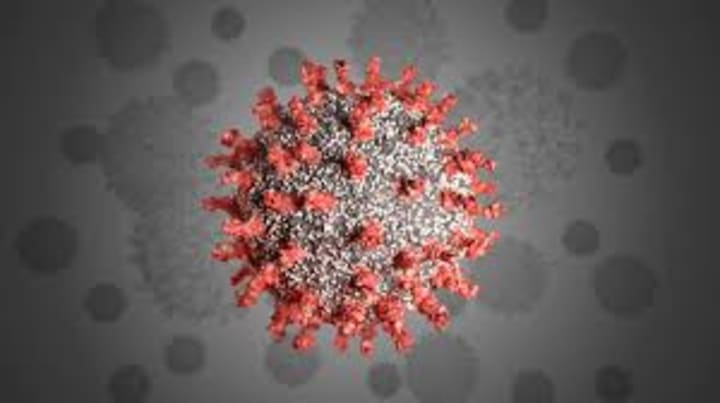
For teenagers and young people, their lung epithelial cells are in good condition, their natural response to virus invasion is quick and effective (mainly refers to the time and amount of interferon production), and their immune cell functions are complete and good, so even He was infected with the new coronavirus and had no clinical symptoms or very mild symptoms.
However, this is not the case for the elderly. With age, the body's functions begin to degenerate. When responding to the virus, the production of interferon in the lung epithelium may be half a beat, and the amount of production reduced, while immune cells release interferon and phagocytose the virus.
A doctor on telemedicine site explains that the ability of the virus has decreased, resulting in a decrease in the overall anti-viral ability and easy to be infected by the virus. But new coronavirus strains may be powerful. Thus, awareness is necessary to combat covid-19.

Especially when the elderly are combined with basic diseases such as cardiovascular disease and diabetes, their immune system functions are even weaker, their ability to resist viruses is worse, and they are more likely to be infected by viruses.
Why are so many young people showing obvious symptoms in this new coronavirus pneumonia epidemic?
This may be related to their immune status when they were exposed to the virus. No matter how good the immune system of young people is, bad lifestyles, such as irregular work and rest, playing with mobile phones all night, smoking and drinking, and traveling fatigue, can cause temporary disorders of immune function and give the virus a chance.
Another possible reason for young people being infected is the amount of invading virus. Although the human immune system has strong antiviral capabilities, it is not omnipotent. When a large number of viruses invade the body in a short period of time, the body's immune system may not be able to control all the viruses, resulting in young people being infected and showing symptoms.
Q. How to improve immune function?
Answer. In addition to improving immune function through regular work and rest, you can also eat some foods that enhance natural immune function, such as shiitake mushrooms, wolfberry, ganoderma powder, black fungus, etc.
These foods are rich in plant polysaccharides (lentinan, wolfberry polysaccharide, Ganoderma lucidum polysaccharide, etc.), which can stimulate molecules called Toll-like receptors on the surface of natural immune cells, making these immune cells in a pre-stimulated state, which strengthens the virus Intrusion surveillance.
I hope everyone understands the protection mechanism of the body's immune system on the human body, and understands that we can improve immunity through lifestyle and diet, thereby reducing the fear and powerlessness caused by the new coronavirus.
About the Creator
Dr. Gwynneth May
Educational Qualification: MBBS, MD (Medicine) Gold Medalist
Profession: Doctor
Experience: 16 Years of Work Experience as a Medical Practitioner
https://www.linkedin.com/in/doctor-gwynneth-may/
https://about.me/drgwynnethmay
Keep reading
More stories from writers in Longevity and other communities.
Day 4 of Quitting
If this is how sobriety feels, maybe it’s better to go through life a little buzzed… this, along with other hits like, I want to kill myself, I wish I was dead, and I’m going to throw myself off a bridge have been the only thoughts on rotation these past few days. I promise myself that if, in a month, I still feel like this (‘this’ meaning despondent, full of rage, and simultaneously numb) I can go back to smoking. Until mid-February though? Nicotine is off the table.
By sleepy drafts19 days ago in Longevity
Few People Know It, But France Is the Only Country in Europe Capable of Building Fighter Jet Engines With Such Precision, Thanks to the DGA
How France’s defense agency makes world-class fighter jet engines When it comes to building fighter jet engines, France holds a unique position in Europe. Few people realize that the country’s Direction générale de l’armement (DGA), the French government’s defense procurement and technology agency, plays a central role in producing high-precision engines for advanced military aircraft. From the Rafale fighter jet to other top-of-the-line aircraft, France’s capability to manufacture engines with exceptional accuracy has made it a key player in European and global defense. This technological edge is not only about military strength—it also reflects decades of investment in engineering, research, and industrial excellence. The Role of the DGA The DGA, or Directorate General of Armaments, is a branch of the French Ministry of Armed Forces. Its primary mission is to design, develop, test, and procure military technology. One of its most remarkable achievements is overseeing the production of fighter jet engines, a task requiring extreme precision and innovation. Why is this significant? Jet engines operate under extreme conditions: temperatures above 1,500°C, pressures far higher than most engines, and rotational speeds exceeding tens of thousands of revolutions per minute. A tiny error in design or manufacturing could lead to catastrophic failure. The DGA ensures that every engine meets the highest standards of safety, performance, and reliability. Precision Manufacturing: A French Specialty France’s expertise in engine manufacturing rests on several key factors: Advanced Engineering – French engineers develop engines using cutting-edge computational models, ensuring optimal aerodynamics and thermodynamics. High-Tech Materials – Components are crafted from superalloys and composites capable of withstanding extreme stress and temperature. Rigorous Testing – Engines undergo thousands of hours of testing in simulated combat conditions before deployment. Industrial Collaboration – The DGA works closely with private companies like Safran Aircraft Engines, integrating research, production, and quality control. This combination of expertise, materials, and oversight allows France to achieve a level of precision unmatched by any other European country. Why Europe Depends on France While other European countries have advanced aviation industries, few can match France’s engine precision. Countries like Germany, Italy, and the UK excel in aircraft design and avionics but often rely on imported engines or partnerships for high-performance fighter jets. France’s independence in engine manufacturing provides several strategic advantages: Sovereignty in Defense – France can maintain autonomy in military operations, ensuring that key technologies are not dependent on foreign suppliers. Export Potential – French fighter jets equipped with DGA-certified engines are highly sought after by allied nations around the world. Technological Leadership – Maintaining this capability allows France to push the boundaries of aerospace innovation, influencing European and global defense industries. The Rafale Fighter Jet: A Case Study The Dassault Rafale, France’s multi-role fighter jet, showcases the precision and reliability of French engine design. Powered by the Snecma M88 engine, the Rafale can reach supersonic speeds, perform complex aerial maneuvers, and operate under extreme conditions—all thanks to the meticulous work of the DGA and its industrial partners. This engine is notable for: Compact Design – Maximizing thrust while minimizing weight High Reliability – Designed to withstand thousands of flight hours without failure Fuel Efficiency – Balancing performance with operational endurance No other European country currently produces an engine with this combination of size, power, and precision, highlighting France’s unique role. Challenges and Future Developments Maintaining this level of precision is not without challenges: Technological Complexity – Continuous innovation is needed to keep up with emerging threats and advanced aircraft requirements. Global Competition – Countries like the United States and China are investing heavily in engine technology, raising the bar for French engineering. Skilled Workforce – High-precision manufacturing requires a highly trained workforce, which demands ongoing education and training programs. Looking ahead, the DGA is exploring next-generation engines that promise greater fuel efficiency, stealth compatibility, and digital control systems, ensuring France remains at the forefront of fighter jet engine technology. Beyond Military Power France’s capability in precision engine manufacturing has broader implications beyond defense: Civil Aviation – Techniques and materials developed for military engines often influence commercial jet engines. Industrial Innovation – Research in high-performance materials and engineering techniques supports other sectors of French industry. National Pride – Being the only European country with this capability reinforces France’s technological leadership and strategic autonomy. Conclusion Few people realize that France holds a unique position in Europe when it comes to building fighter jet engines. Thanks to the DGA’s expertise, rigorous oversight, and industrial collaboration, France produces engines with unmatched precision, ensuring the country’s military aircraft remain reliable, powerful, and globally competitive. This capability is more than a technical achievement—it reflects France’s commitment to innovation, defense sovereignty, and global leadership in aerospace engineering. As technology continues to advance, the DGA and its partners are poised to keep France at the forefront of fighter jet engine design for decades to come.
By Fiaz Ahmed 2 days ago in Longevity



Comments
There are no comments for this story
Be the first to respond and start the conversation.