
How a Heart Attack Can Kill You within a Few Minutes
Heart-Healthy Habits: Easy Ways to Protect Your Heart and Lower Your Risk of Disease

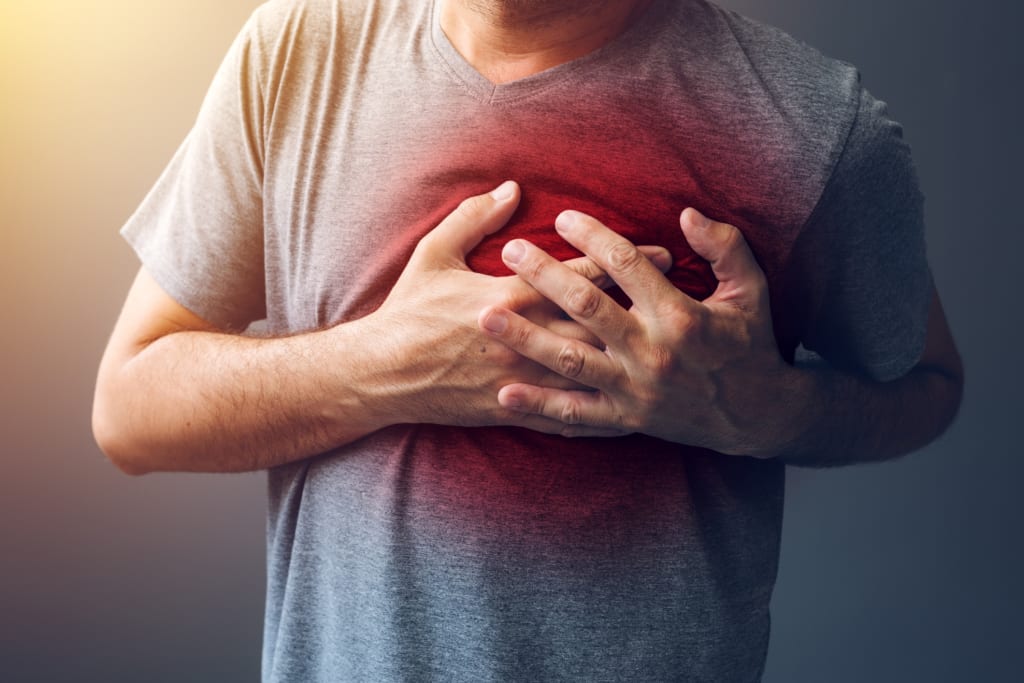
A heart attack can occur to anyone, regardless of age or gender. It happens when the blood flow to the heart is suddenly blocked, resulting in damage to the heart muscles. If not treated immediately, a heart attack can lead to serious complications and even death. In this article, we will discuss how a heart attack can kill you within a few minutes.
What Happens During a Heart Attack?
A heart attack occurs when the blood flow to the heart is blocked, usually due to a blood clot. This blockage prevents oxygen and nutrients from reaching the heart muscles, causing them to die. The symptoms of a heart attack include chest pain or discomfort, shortness of breath, nausea, and lightheadedness. If you experience any of these symptoms, it is important to seek medical attention immediately.
How Can a Heart Attack Kill You?
A heart attack can kill you in several ways, including:
Cardiac Arrest: A heart attack can cause the heart to stop beating suddenly, resulting in a cardiac arrest. This is a life-threatening condition that requires immediate medical attention. Cardiac arrest can lead to brain damage or death within a few minutes if not treated promptly.
Heart Failure: A heart attack can damage the heart muscles, making it difficult for the heart to pump blood effectively. This can lead to heart failure, which is a serious condition that can cause fluid buildup in the lungs and other organs. If not treated promptly, heart failure can lead to death within a few days or weeks.
Arrhythmia: A heart attack can disrupt the electrical impulses that control the heartbeat, resulting in an irregular heartbeat or arrhythmia. This can cause the heart to beat too fast, too slow, or irregularly, leading to a sudden cardiac arrest. Arrhythmias can be fatal if not treated immediately.
Cardiogenic Shock: A heart attack can also cause a condition called cardiogenic shock, which occurs when the heart is unable to pump enough blood to meet the body's needs. This can lead to a rapid drop in blood pressure, causing organs to fail and resulting in death within a few minutes.
Preventing a Heart Attack
Preventing a heart attack is the best way to avoid the risk of death. Here are some tips to reduce your risk of a heart attack:
Maintain a healthy diet: Eat a diet that is rich in fruits, vegetables, whole grains, lean proteins, and healthy fats. Avoid foods that are high in saturated and trans fats, cholesterol, and sodium.
Exercise regularly: Exercise for at least 30 minutes a day, five days a week. Choose activities that you enjoy, such as walking, jogging, cycling, or swimming.
Manage stress: Find ways to manage stress, such as meditation, yoga, or deep breathing exercises.
Quit smoking: Smoking is a major risk factor for heart disease. Quitting smoking can significantly reduce your risk of a heart attack.
Control your blood pressure and cholesterol: High blood pressure and cholesterol can increase your risk of a heart attack. Talk to your doctor about ways to control these conditions.
Conclusion
A heart attack can kill you within a few minutes if not treated promptly. It can lead to serious complications, such as cardiac arrest, heart failure, arrhythmias, and cardiogenic shock. However, by taking steps to prevent a heart attack, you can significantly reduce your risk of death. Maintain a healthy diet, exercise regularly, manage stress, quit smoking, and control your blood pressure and cholesterol. If you experience any symptoms of a heart attack, seek medical attention immediately. Remember, time is of the essence when it comes to treating a heart attack.
About the Creator
Muhammad Sarib Ali
Sarib is an experienced Content Writer with 5 years of experience in the CNet industry. He is a creative and analytical thinker with a passion for creating high-quality content and crafting compelling stories.
Keep reading
More stories from Muhammad Sarib Ali and writers in Longevity and other communities.
Plant-Based Meat and Fertility: What the Research Says
Introduction: Plant-based meat has been touted as a healthier and more sustainable alternative to traditional meat. Made from ingredients like peas, soy, and wheat protein, plant-based meat products are often marketed as having similar taste and texture to real meat. But as more people turn to plant-based diets, questions have been raised about the potential impact on fertility. In this article, we’ll take a closer look at what the research says about plant-based meat and fertility.
By Muhammad Sarib Ali3 years ago in Longevity
Day 4 of Quitting
If this is how sobriety feels, maybe it’s better to go through life a little buzzed… this, along with other hits like, I want to kill myself, I wish I was dead, and I’m going to throw myself off a bridge have been the only thoughts on rotation these past few days. I promise myself that if, in a month, I still feel like this (‘this’ meaning despondent, full of rage, and simultaneously numb) I can go back to smoking. Until mid-February though? Nicotine is off the table.
By sleepy drafts23 days ago in Longevity
Blueberries vs. Grapes: Which Fruit Is Better for Heart Health?
Both fruits support the heart, but they do it in different ways When it comes to heart health, fruit often tops the list of doctor-recommended foods. Among the many options, blueberries and grapes stand out for their powerful nutrients and long list of benefits. Both are rich in antioxidants, easy to add to meals, and supported by scientific research. But if you had to choose one, which fruit offers more protection for your heart? The answer is not as simple as picking a winner. Blueberries and grapes help the heart in different ways, and understanding those differences can help you make smarter dietary choices. Why Fruit Matters for Heart Health Heart disease remains one of the leading causes of death worldwide. Diet plays a major role in reducing risk factors such as: High blood pressure High cholesterol Inflammation Poor blood vessel function Fruits provide vitamins, fiber, and plant compounds that protect the cardiovascular system. Blueberries and grapes are especially valued because they contain polyphenols, natural compounds that help reduce damage to blood vessels and improve circulation. Blueberries: Small Fruit, Big Benefits Blueberries are often called a superfood, and for good reason. They are packed with antioxidants known as anthocyanins, which give blueberries their deep blue color. How Blueberries Support the Heart Research suggests that regular blueberry consumption may: Improve blood vessel flexibility Lower blood pressure Reduce inflammation Improve cholesterol balance Anthocyanins help protect arteries by reducing oxidative stress. This means less damage to the lining of blood vessels, which lowers the risk of plaque buildup. Blueberries are also low in calories and sugar, making them a heart-friendly choice for people watching their weight or blood sugar levels. Fiber and Blood Sugar Control One cup of blueberries contains a good amount of dietary fiber, which plays a key role in heart health. Fiber helps: Lower “bad” LDL cholesterol Slow sugar absorption Support healthy digestion Stable blood sugar levels reduce stress on the cardiovascular system, especially for people with diabetes or insulin resistance. Grapes: A Heart-Healthy Classic Grapes, especially red and purple varieties, have long been linked to heart health. They contain powerful antioxidants such as resveratrol, flavonoids, and quercetin. How Grapes Protect the Heart Studies suggest that grapes may: Improve blood flow Reduce inflammation Lower blood pressure Prevent blood clots Resveratrol, found mainly in grape skins, has been studied for its potential role in protecting arteries and supporting healthy aging of blood vessels. Grapes also contain potassium, which helps balance sodium levels and supports healthy blood pressure. The Role of Resveratrol Resveratrol is often highlighted as the key heart-protective compound in grapes. It may help: Reduce artery stiffness Improve nitric oxide production, which relaxes blood vessels Protect against oxidative damage While resveratrol supplements exist, experts agree that whole grapes offer more benefits due to the combined effect of fiber and multiple antioxidants working together. Comparing Nutritional Profiles Both fruits are healthy, but they differ slightly in nutrition: Blueberries Lower sugar content High in anthocyanins Rich in vitamin C and vitamin K Strong anti-inflammatory effects Grapes Higher natural sugar Contain resveratrol and flavonoids Provide hydration due to high water content Support circulation and blood flow For people managing blood sugar, blueberries may be the safer option. For those focused on circulation and vascular function, grapes offer unique benefits. What About Cholesterol? Both fruits can help improve cholesterol levels, but through different mechanisms. Blueberries help reduce LDL cholesterol by improving how the body processes fats and reducing inflammation. Grapes may prevent LDL cholesterol from oxidizing, which is a major factor in artery damage. In short, blueberries reduce the problem, while grapes help prevent it from getting worse. How Much Should You Eat? Moderation is key. A healthy serving includes: About one cup of blueberries, fresh or frozen About one cup of grapes, preferably with skins intact Eating a variety of fruits throughout the week ensures you get a wider range of protective nutrients. Fresh, Frozen, or Dried? Fresh blueberries and grapes offer the most benefits. Frozen blueberries are also an excellent choice, as they retain most nutrients. Dried grapes (raisins) are nutritious but higher in sugar and calories, so portion control is important. Raisins still provide heart-friendly compounds but should be eaten sparingly. Which One Is Better for Heart Health? There is no clear winner. Both blueberries and grapes are excellent for heart health, but they shine in different areas. Choose blueberries if you want lower sugar, strong antioxidant protection, and help with blood pressure. Choose grapes if you want improved circulation, vessel protection, and powerful polyphenols like resveratrol. For the best results, include both fruits in your diet. Final Thoughts When it comes to heart health, consistency matters more than perfection. Blueberries and grapes both offer powerful protection, and neither should be excluded. Rather than choosing one over the other, rotating both fruits into your meals can provide broader cardiovascular support. Combined with regular exercise, balanced nutrition, and healthy lifestyle habits, these fruits can play a meaningful role in keeping your heart strong.
By Fiaz Ahmed 2 days ago in Longevity



Comments
There are no comments for this story
Be the first to respond and start the conversation.