
High Protein Intake Associated With Sarcopenia
These results were the opposite of expected.

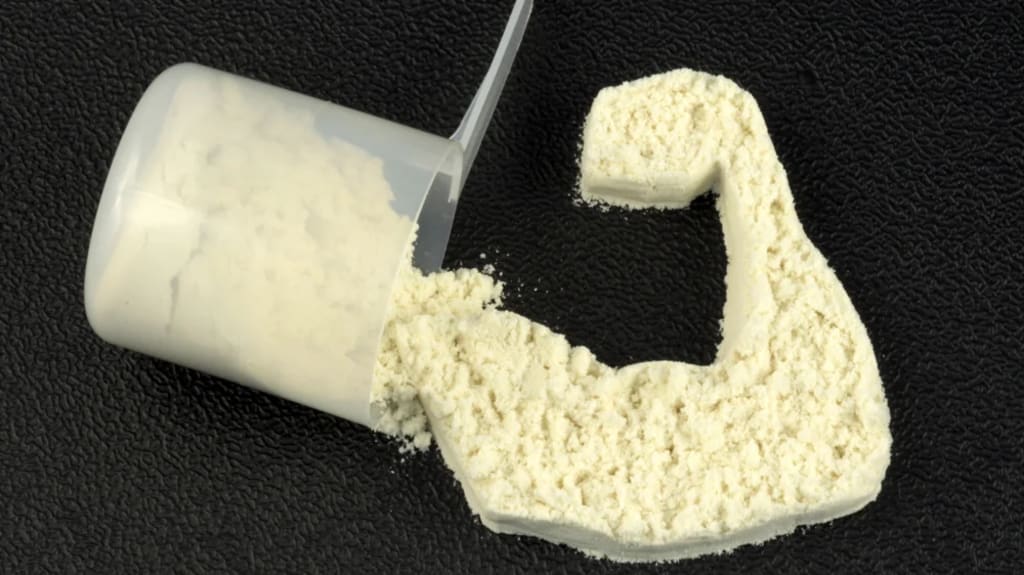
Researchers publishing in Age and Ageing have found that, rather than being protective, an increase in dietary protein is associated with an increased chance of sarcopenia.
Sarcopenia is a well-known disorder that occurs with aging. People with sarcopenia lack adequate muscular function, leading to frailty, a higher risk of falls, and a functional decline in daily living activities that leads to a decreased quality of life [1].
Previous research into the relationship between protein consumption and sarcopenia has noted the phenomenon of anabolic resistance, in which muscle protein is more difficult to synthesize in older adults [2]. Therefore, the European Society for Clinical Nutrition and Metabolism (ESPEN) recommends that older adults consume 1 to 1.3 grams of protein per kilogram of body weight a day [3].
Muscle strength, muscle mass, and sarcopenia
This study used data from the TwinsUK cohort, a registry of almost 15,000 fraternal and identical twins and triplets [4]. This study chose community-dwelling older adults that had detailed muscular data available; this was a subgroup of 3,302. There were no exclusionary factors.
As is usual for this kind of study, there were a substantial number of confounding factors, many of which were related to one another. While aging is, of course, the primary association, education, BMI, and income were all found to have associations with muscle strength, muscle mass, and sarcopenia.
There was no significant association between muscle strength and protein intake one way or another. However, protein intake below the ESPEN recommendations was, to the researchers’ surprise, significantly correlated with a reduced incidence of low muscle mass and sarcopenia. Similarly, protein intake in excess of the ESPEN recommendations was correlated with a greater risk of low muscle mass and sarcopenia.
These results were confirmed when twins were examined against one another. Shared twin factors, such as genetics and early life history, did not meaningfully change the statistical relationship between protein intake and sarcopenia. Other multivariable analysis models also confirmed these findings.
Analysis
The researchers considered multiple potential reasons behind these findings. One of them is the idea that the causality might be reversed: that people who suffer from sarcopenia may be consuming more protein in an effort to treat the condition. The researchers find this to be unlikely, as sarcopenia is seldom diagnosed [5].
They also note that dietary studies that did not focus on protein, but rather on higher consumption of fruits and vegetables, showed an association with higher grip strength [6]. Diets that are high in protein might also be high in inflammatory or other negative factors that promote sarcopenia, so it might be the source of protein that is the root cause of these results.
Conclusion
While this study was biased towards healthy volunteers, it offers highly contrary evidence to the conventional wisdom surrounding protein and sarcopenia, and it may result in re-evaluations of ESPEN and other dietary health guidelines. This is an association study that does not prove causation, but it makes it clear that simply eating more protein is not likely to protect anyone against developing sarcopenia. Exercise may be somewhat effective in fighting back against this disease, but more fundamental biological interventions are likely to be required to prevent it for good.
We would like to ask you a small favor. We are a non-profit foundation, and unlike some other organizations, we have no shareholders and no products to sell you. We are committed to responsible journalism, free from commercial or political influence, that allows you to make informed decisions about your future health.
All our news and educational content is free for everyone to read, but it does mean that we rely on the help of people like you. Every contribution, no matter if it’s big or small, supports independent journalism and sustains our future. You can support us by making a donation or in other ways at no cost to you.
About the Creator
Keep reading
More stories from Kily Johns and writers in Longevity and other communities.
Build strength and maintain muscle mass without going to the gym! Here’s how
For far too long, we have been made to believe that muscles are only built in the gym! But that’s not always true. There may be times in life where going to the gym may neither be a choice, nor a possibility. Even if are a gym-loving person, sickness or travel may keep you away from it. As a fitness enthusiast, you may probably worry about losing all your gains that you achieved after sweating it out in the gym. Well, you don’t have to worry, as you can maintain the muscle mass you worked so hard to build. You just have to pick the right exercises that you can do at home or while you are away from the gym.
By Kily Johns3 years ago in Longevity
Why You Wake Up Tired Even After 8 Hours of Sleep
You slept for 8 hours. Your alarm rings. And somehow… you still feel exhausted. If you’re constantly waking up tired, you’re not lazy. And you’re definitely not alone. Many students struggle with feeling tired after 8 hours of sleep, and the problem usually isn’t the number of hours — it’s the quality of sleep.
By Being Inquisitive6 days ago in Longevity
20 Tested and Proven Longevity Hacks
Many people can avoid certain health problems simply with shifting their choices. They buy the supplements, read the articles, and watch the documentaries about Blue Zones and nod along like they learned something. Then they go back to poor sleeping habits, eating garbage, sitting for ten hours, and wondering why their energy is destroyed by 2pm.
By Destiny S. Harrisa day ago in Longevity


Comments
There are no comments for this story
Be the first to respond and start the conversation.