
Heart Health
Proven Strategies to Control and Prevent Heart Disease Naturally

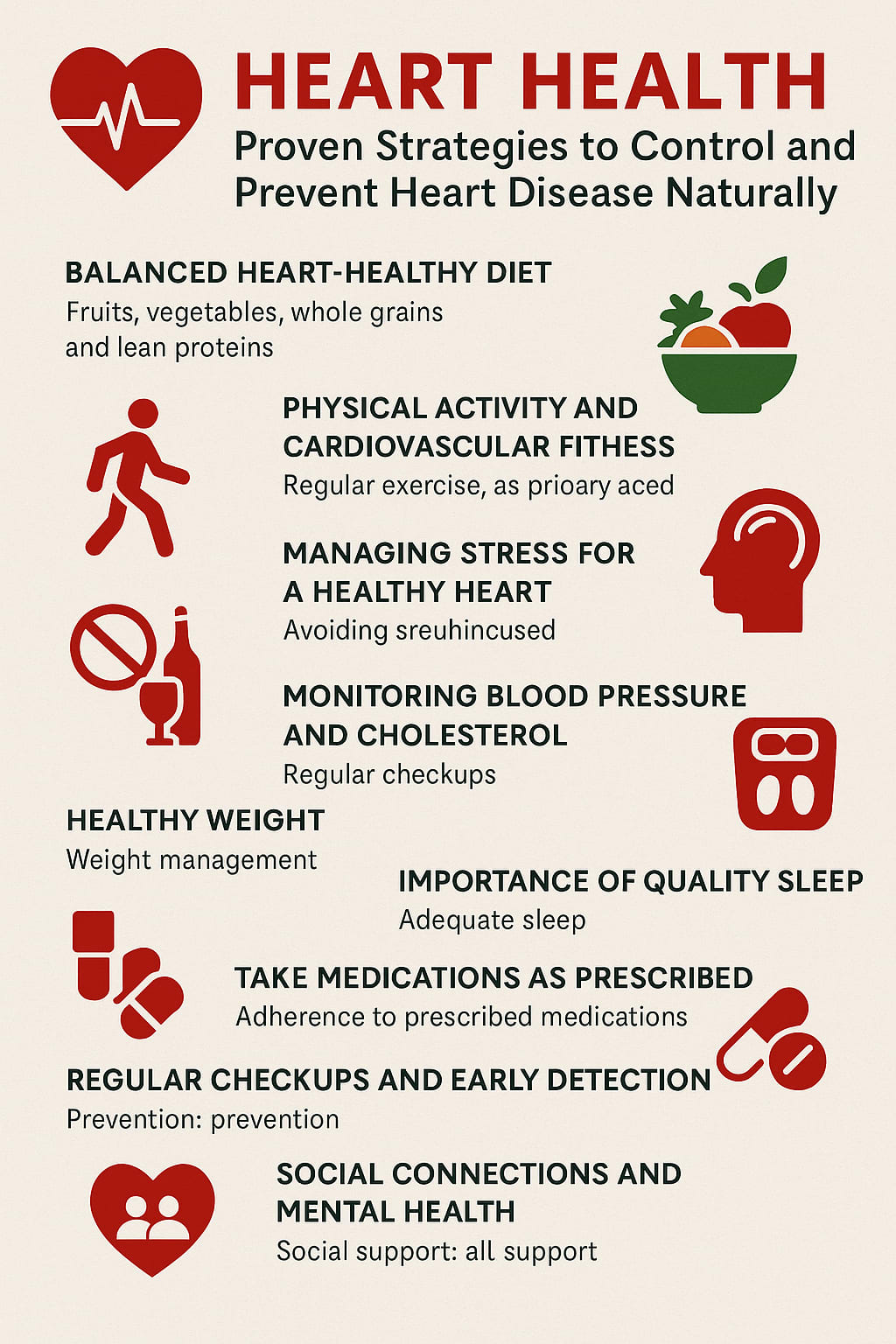
Heart disease continues to be one of the leading causes of death worldwide, claiming millions of lives each year. Despite medical advances, the rate of cardiovascular problems remains alarmingly high due to unhealthy lifestyles, poor dietary habits, stress, and lack of physical activity. Thankfully, most heart-related issues can be prevented or managed with a strategic approach. Understanding how to control heart disease can empower individuals to take charge of their health and live longer, more fulfilling lives.
Understanding the Root of Heart Disease
Heart disease refers to a range of conditions affecting the heart, including coronary artery disease, arrhythmias, heart failure, and congenital heart defects. The most common type is coronary artery disease, which results from the buildup of plaque in the arteries. This blockage restricts blood flow and can lead to heart attacks or strokes. High cholesterol, high blood pressure, smoking, obesity, and diabetes are major contributing factors. To control heart disease, it's vital to understand these root causes and eliminate them through conscious lifestyle choices.
Power of a Balanced Heart-Healthy Diet
One of the most effective ways to control heart disease is through a heart-healthy diet. A well-balanced eating plan rich in fruits, vegetables, whole grains, lean proteins, and healthy fats can reduce cholesterol levels, lower blood pressure, and manage weight. Avoiding trans fats, processed foods, and excess sodium is essential. Incorporating foods like salmon, walnuts, olive oil, oats, berries, and green leafy vegetables can protect your heart. A Mediterranean or DASH diet is often recommended for heart patients as it emphasizes nutrient-rich meals and discourages unhealthy food choices.
Physical Activity and Cardiovascular Fitness
Regular physical activity plays a vital role in heart disease prevention and management. It strengthens the heart muscle, improves blood circulation, reduces blood pressure, and helps maintain a healthy weight. Activities such as brisk walking, swimming, cycling, and even gardening can significantly benefit heart health. Aim for at least 150 minutes of moderate-intensity exercise per week or 75 minutes of vigorous activity. Even short bouts of activity spread throughout the day can add up and make a significant difference in heart health.
Managing Stress for a Healthy Heart
Chronic stress can take a toll on your heart by increasing blood pressure and causing hormonal imbalances. Emotional stress, if not managed properly, can lead to unhealthy coping mechanisms such as smoking, overeating, or alcohol consumption. To control heart disease, it's essential to adopt stress management techniques like meditation, deep breathing, mindfulness, or yoga. Spending time in nature, journaling, and connecting with loved ones can also contribute to emotional well-being and support heart health.
Quit Smoking and Limit Alcohol Intake
Smoking is one of the most harmful habits contributing to heart disease. It damages the lining of the arteries, lowers good cholesterol (HDL), and increases the risk of blood clots. Quitting smoking can dramatically reduce your heart disease risk within just a few years. Similarly, excessive alcohol consumption can lead to high blood pressure, irregular heartbeats, and even heart failure. Limiting alcohol to moderate levels—one drink per day for women and two for men—can safeguard heart health.
Monitoring Blood Pressure and Cholesterol
To effectively control heart disease, regular monitoring of blood pressure, cholesterol, and blood sugar levels is crucial. High blood pressure can silently damage the heart and arteries without noticeable symptoms. Keeping your blood pressure below 120/80 mm Hg and LDL cholesterol in check can significantly reduce your cardiovascular risk. Routine checkups and lab tests help detect any early warning signs and allow timely interventions, whether through lifestyle changes or medications.
Maintain a Healthy Weight
Being overweight or obese increases the burden on your heart and contributes to several risk factors like high blood pressure, diabetes, and high cholesterol. Even a small reduction in weight—5% to 10%—can improve heart function and reduce the risk of heart disease. Focus on slow and sustainable weight loss through portion control, balanced meals, and consistent exercise. Avoid crash diets and instead aim for long-term behavior changes that support overall health.
Importance of Quality Sleep
Sleep is often overlooked in discussions about heart health. However, poor sleep can increase the risk of high blood pressure, obesity, and diabetes—key contributors to heart disease. Adults should aim for 7 to 9 hours of restful sleep per night. Establishing a consistent bedtime routine, reducing screen time before sleep, and keeping the bedroom environment comfortable can improve sleep quality. Sleep disorders like sleep apnea, if left untreated, can increase the risk of heart problems and should be addressed with medical advice.
Take Medications as Prescribed
For individuals diagnosed with heart disease or at high risk, medications may be prescribed to control blood pressure, cholesterol, or blood sugar levels. It’s crucial to follow your doctor’s instructions carefully and take medications regularly. Skipping doses or stopping medications without consulting your physician can have serious consequences. Always discuss any side effects or concerns with your healthcare provider, and never rely solely on natural remedies without medical guidance.
Regular Checkups and Early Detection
Preventive healthcare is the cornerstone of heart disease management. Annual physical exams, blood work, and ECGs help in early diagnosis and allow you to track your progress. If heart disease runs in your family, consider genetic testing or a more detailed cardiovascular risk assessment. Early detection allows for early treatment, which can delay or even reverse the progression of the disease. Never ignore symptoms like chest pain, shortness of breath, dizziness, or unusual fatigue.
Social Connections and Mental Health
Social isolation and depression are often linked to poor heart outcomes. Having strong social support, engaging in community activities, or simply spending time with friends and family can positively affect heart health. Emotional well-being plays a significant role in maintaining motivation for a healthy lifestyle. If you’re struggling mentally or emotionally, seek support from a counselor, therapist, or support group to build resilience and maintain a heart-friendly mindset.
Smart Technology and Heart Health
With the advancement of wearable technology, it has become easier than ever to monitor and manage heart health. Devices like smartwatches, fitness bands, and heart rate monitors can track steps, heart rate, sleep quality, and activity levels. Mobile apps offer reminders for medication, provide fitness plans, and log vital statistics. These tools not only help users stay accountable but also allow for early detection of irregular heart rhythms or other abnormalities.
Natural Supplements and Herbal Support
While diet and exercise are most important, some natural supplements may aid heart health. Omega-3 fatty acids, magnesium, CoQ10, garlic extract, and green tea have been associated with improved cardiovascular function. However, these should be used as complementary therapies rather than replacements for medical treatment. Always consult your doctor before starting any supplement, especially if you are already taking prescription medications.
Avoid Sitting Too Long
Sedentary behavior, especially sitting for extended hours, can increase the risk of heart disease. Make a conscious effort to stand up and stretch every 30 minutes. If you work at a desk, consider using a standing desk or taking brief walking breaks. Small habits like using stairs instead of the elevator or parking farther away from entrances can promote physical movement and support heart health throughout the day.
Know Your Family History
A family history of heart disease can significantly increase your risk. If close relatives have suffered from heart attacks or strokes, especially at a young age, you should be extra vigilant about your heart health. Share this information with your doctor so they can tailor your prevention plan. Even if you can’t change your genetics, understanding your risk allows you to make proactive decisions and implement early preventive measures.
Build a Long-Term Plan
Heart disease is a chronic condition that requires lifelong management. Creating a sustainable routine that includes healthy eating, regular exercise, stress reduction, and regular medical checkups can ensure consistent progress. Set realistic goals, track your achievements, and celebrate small victories along the way. Remember, heart health is not a one-time fix but a lifelong journey of disciplined choices and commitment.
Conclusion: Take Charge of Your Heart Today
Controlling heart disease isn’t just about avoiding a crisis—it’s about building a lifestyle that promotes vitality, strength, and longevity. With the right steps, you can protect your heart and live a more energetic and fulfilling life. Don’t wait for symptoms to appear. Prevention is always more powerful than cure, and every small step you take today can lead to a healthier tomorrow.
About the Creator
Lana Rosee
🎤 Passionate storyteller & voice of raw emotion. From thoughts to tales, I bring words to life. 💫
Love my content? Hit Subscribe & support the journey! ❤️✨
Keep reading
More stories from Lana Rosee and writers in Longevity and other communities.
Diabetes Control
Diabetes, a chronic health condition that affects millions worldwide, is no longer just a concern of the elderly. With lifestyle changes, sedentary habits, and poor dietary patterns, it’s becoming increasingly common in younger generations. But the good news is that diabetes can be managed, controlled, and even prevented with the right approach. Understanding how to control diabetes naturally and medically is essential for a healthy, long life.
By Lana Rosee8 months ago in Longevity
Met Office Forecasts Dry Weather for Sindh
The Pakistan Meteorological Department has issued a forecast indicating that Sindh province is expected to experience a prolonged period of dry weather over the coming weeks. Meteorologists say the region will see little to no rainfall, with temperatures remaining above seasonal averages, raising concerns about agriculture, water resources, and public health. According to the Met Office, a high-pressure system over the Arabian Sea and the Indian subcontinent is likely to dominate weather patterns in Sindh for the next fortnight. This atmospheric configuration inhibits cloud formation, leading to clear skies and minimal precipitation. Forecasts predict daytime temperatures in major cities, including Karachi and Hyderabad, to hover between 28°C and 34°C, slightly above the long-term average for this period. Nighttime temperatures are expected to remain mild, ranging from 18°C to 22°C. The dry spell comes at a critical time for the agricultural sector. Sindh is a major contributor to Pakistan’s wheat, sugarcane, and rice production. Farmers are being advised to monitor soil moisture levels carefully and consider supplemental irrigation for crops at sensitive growth stages. Prolonged dry conditions can affect germination, yield, and quality, particularly for wheat crops that rely on moderate rainfall in the final stages before harvest. Water resource management is also expected to become a key challenge. Reservoirs and canals in Sindh, which depend on upstream flows from the Indus River system, are already operating at variable levels due to reduced inflows and increased water demand. Local authorities are monitoring water distribution closely, emphasizing conservation measures and urging residents to avoid excessive usage. In some districts, water rationing plans may be activated if the dry period persists. Public health officials have cautioned about potential heat-related risks. Although the current temperatures are not extreme, prolonged dry conditions can exacerbate health issues, particularly for vulnerable populations such as the elderly, children, and people with preexisting medical conditions. Heat stress, dehydration, and respiratory issues may become more common if residents do not take appropriate precautions. Health authorities recommend staying hydrated, avoiding prolonged exposure to the sun during peak hours, and ensuring access to cool environments. The Met Office also noted that dust storms and haze could occur in some areas due to the dry conditions combined with occasional strong winds. These phenomena can reduce visibility and impact road traffic, aviation, and outdoor activities. Residents are advised to take safety precautions, particularly when traveling, and to follow local advisories regarding dust and air quality. Economists have warned that the dry spell could have indirect effects on local markets. Reduced crop output may drive up food prices, especially for wheat, rice, and vegetables, affecting household budgets and contributing to inflationary pressures. Traders and suppliers are being advised to monitor market conditions and plan accordingly to avoid shortages or sudden price hikes. Despite the dry weather, meteorologists have noted that this pattern is part of a natural seasonal variation. Sindh typically experiences dry periods during the pre-monsoon and post-winter seasons, and occasional heat waves are not unusual. However, experts also emphasize that climate change may be altering rainfall patterns, leading to longer dry spells and more unpredictable weather events. Continuous monitoring and early warning systems are essential to mitigate risks to agriculture, water supplies, and public health. Authorities in Sindh have urged residents and local businesses to remain vigilant. Farmers should adopt efficient irrigation practices, municipal agencies should ensure water distribution networks function effectively, and the public should take measures to protect health and safety. Collaboration between government departments, meteorological agencies, and the community will be crucial in managing the impacts of this dry period. Looking ahead, the Met Office expects the dry spell to continue into late March, with little relief from rainfall until the onset of the pre-monsoon showers. While temperatures are likely to remain moderate, the persistence of dry weather underscores the need for careful planning and resource management in Sindh. Residents are encouraged to stay updated with official forecasts and advisories to minimize the effects of prolonged dry conditions on daily life and livelihoods.
By Fiaz Ahmed 2 days ago in Longevity
Two Grumpy Old Men Solve the Problem
Marty and Steve were two grumpy old men who lived together. They had known each other for years. Marty had been a bachelor all his life. Steve said it was because no one could stand to ever live with. Marty’s standard reply was “Well, you are, so what sort of a moron does that make you!”
By Calvin Londonabout 20 hours ago in Humor




Comments
There are no comments for this story
Be the first to respond and start the conversation.