
Heart Health 101: How to Keep Your Heart Strong at Every Age
Heart Health in Your 20s,30s,40s,50s,60s and beyond

Heart health is a lifelong commitment that requires a proactive approach at every stage of life. As one of the body’s most vital organs, the heart tirelessly pumps blood and delivers oxygen to cells, tissues, and organs. Supporting its health can lead to a longer, more vibrant life while reducing the risk of cardiovascular diseases (CVDs), such as heart attacks, strokes, and heart failure.
Heart Health in Childhood and Adolescence
A foundation of heart health begins in childhood. Healthy habits developed early on can significantly reduce the risk of heart disease later in life. Here are some tips for children and teens:
Encourage Physical Activity: Children need at least an hour of physical activity daily. Sports, active play, and outdoor activities like biking and hiking help build a strong heart.
Prioritize Balanced Nutrition: A diet rich in fruits, vegetables, whole grains, lean proteins, and healthy fats supports growth and cardiovascular health. Limiting sugary snacks and drinks helps prevent early obesity and high blood pressure.
Limit Screen Time: Excessive screen time can lead to a sedentary lifestyle. Setting boundaries for screen use can encourage more active pastimes.
Teach Stress-Management Techniques: Although childhood stress may be different, teaching kids to manage it through breathing exercises or creative outlets can help them handle stress better as they grow.
Heart Health in Your 20s and 30s
The 20s and 30s are a prime time to establish a lasting heart-healthy routine. Key lifestyle choices at this stage have a long-term impact:
Adopt Regular Exercise Habits: Aim for at least 150 minutes of moderate aerobic exercise or 75 minutes of vigorous exercise weekly, along with strength training exercises twice a week. Consistent physical activity strengthens the heart and maintains a healthy weight.
Choose Heart-Healthy Foods: Focusing on whole foods, such as lean proteins, vegetables, fruits, whole grains, and healthy fats, supports heart health and prevents weight gain.
Avoid Smoking and Limit Alcohol: Smoking is a major risk factor for heart disease, and excessive alcohol intake can raise blood pressure and damage the heart. Quitting smoking and limiting alcohol to moderate levels (up to one drink per day for women, two for men) are important preventive steps.
Manage Stress and Prioritize Mental Health: Work and social pressures often increase in the 20s and 30s, making it essential to manage stress through activities like yoga, meditation, or other hobbies.
Heart Health in Your 40s and 50s
Heart disease risk often increases in the 40s and 50s as metabolism slows and lifestyle factors accumulate. Regular health check-ups and healthy lifestyle adjustments can be vital during these years:
Get Regular Health Screenings: Annual screenings for blood pressure, cholesterol, and blood sugar levels become crucial to detect any early signs of cardiovascular disease. Knowing your numbers can lead to timely interventions.
Prioritize Heart-Healthy Nutrition: Continuing to eat a diet rich in fiber, lean protein, and heart-friendly fats, while reducing sodium and unhealthy fats, helps manage cholesterol and blood pressure.
Maintain a Healthy Weight: Weight gain becomes easier as metabolism slows in the 40s and 50s. Monitoring portion sizes, eating mindfully, and sticking to regular exercise routines can help keep weight in check.
Manage Blood Pressure and Cholesterol Levels: This is the time when blood pressure and cholesterol tend to creep up. If lifestyle changes aren’t enough to keep them in a healthy range, medication prescribed by a doctor may be necessary.
Heart Health in Your 60s and Beyond
Heart health becomes more crucial than ever in the 60s and beyond, as age-related changes, such as stiffer blood vessels and slower heartbeats, can increase cardiovascular risk. Here’s how to protect your heart in later years:
Stay Physically Active: Regular, moderate exercise like walking, swimming, and strength training can maintain cardiovascular health, improve mobility, and enhance quality of life. Even gentle activities like gardening or dancing can keep the heart active.
Eat for Your Heart: A Mediterranean or DASH (Dietary Approaches to Stop Hypertension) diet, rich in fruits, vegetables, whole grains, fish, and healthy fats, has been shown to benefit heart health. Limiting salt intake helps manage blood pressure, and choosing foods high in fiber supports cholesterol control.
Monitor Your Heart Health: Regular check-ups with a healthcare provider are essential. Monitoring for conditions like high blood pressure, high cholesterol, and diabetes, which are more common in older age, helps manage heart disease risk.
Stay Socially Engaged: Social isolation has been linked to poorer heart health. Staying connected with friends and family, joining community activities, or volunteering can improve mental health and reduce stress, which positively affects heart health.
Sleep Well: Quality sleep is vital for heart health, especially in older adults. Aim for 7-9 hours of restful sleep each night, as poor sleep can affect blood pressure and overall cardiovascular health.
Universal Tips for Heart Health
Regardless of age, certain heart-health strategies apply universally:
Know Your Numbers: Be aware of your blood pressure, cholesterol, and blood sugar levels. Understanding these values and their healthy ranges empowers you to take preventive steps.
Avoid Smoking and Manage Alcohol Intake: These two factors contribute heavily to heart disease risk. Quitting smoking and moderating alcohol intake significantly improve heart health at any age.
Eat a Balanced Diet: A consistent focus on whole foods, high fiber, and low sodium is essential for heart health across all ages. Avoiding trans fats, refined sugars, and excessive salt helps maintain optimal heart function.
Stay Active: Regular physical activity, even light exercises like walking, improves circulation, manages weight, and reduces stress. Consistency is key.
Practice Stress Management: Chronic stress can strain the heart over time. Practicing relaxation techniques such as deep breathing, meditation, or yoga supports both mental and heart health.
The Long-Term Benefits of a Strong Heart
A strong heart supports not just cardiovascular function but overall well-being. Consistent attention to heart health helps lower the risk of heart disease, improves energy levels, and can lead to a longer, healthier life. Additionally, maintaining a strong heart supports healthy aging, preserves mobility, and enhances mental clarity.
Final Thoughts
Heart health is a lifelong journey that evolves as we age. By adopting heart-friendly habits early on and adjusting them as we grow, it’s possible to maintain a healthy heart and enjoy an active, fulfilling life at every stage. Regardless of age, small, consistent lifestyle choices can make a significant difference in supporting heart health.
About the Creator
Keep reading
More stories from DIGITAL HUB and writers in Longevity and other communities.
Understanding Heart-Healthy Eating
A heart-healthy diet focuses on nourishing the body with nutrients that support cardiovascular health while minimizing foods that can harm it. A balanced diet rich in fruits, vegetables, whole grains, lean proteins, and healthy fats can significantly reduce the risk of heart disease by lowering blood pressure, managing cholesterol levels, and supporting healthy body weight.
By DIGITAL HUBabout a year ago in Longevity
Day 4 of Quitting
If this is how sobriety feels, maybe it’s better to go through life a little buzzed… this, along with other hits like, I want to kill myself, I wish I was dead, and I’m going to throw myself off a bridge have been the only thoughts on rotation these past few days. I promise myself that if, in a month, I still feel like this (‘this’ meaning despondent, full of rage, and simultaneously numb) I can go back to smoking. Until mid-February though? Nicotine is off the table.
By sleepy drafts14 days ago in Longevity
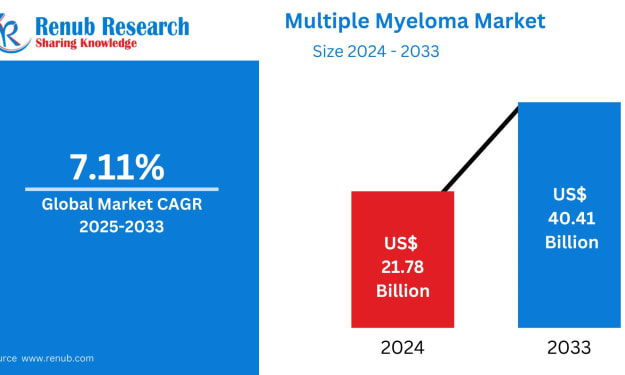
Global Multiple Myeloma Market Size and Forecast 2025–2033
Introduction: A Transformational Era for Multiple Myeloma Treatment The Global Multiple Myeloma Market is undergoing a significant transformation as scientific innovation, improved diagnostics, and rising healthcare investments converge to redefine patient outcomes. According to Renub Research, the market was valued at USD 21.78 billion in 2024 and is projected to reach USD 40.41 billion by 2033, expanding at a CAGR of 7.11% during the forecast period 2025–2033.
By Renub Researchabout 5 hours ago in Longevity



Comments
There are no comments for this story
Be the first to respond and start the conversation.