
Heart Aneurysm - causes, symptoms, diagnosis and treatment
Aneurysm of the heart. Symptoms. Diagnostics. What to do when a heart aneurysm is diagnosed. Conservative treatment and operations.

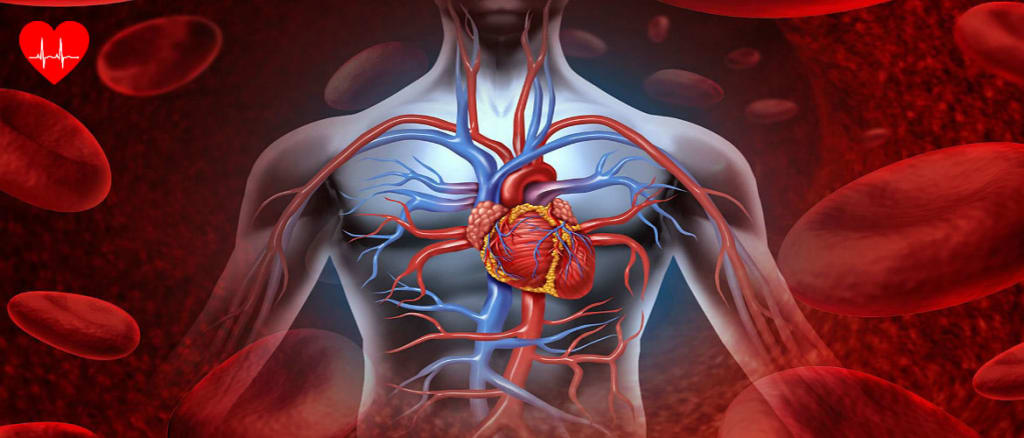
Aneurysm of the heart – thinning and swelling of the myocardium of the cardiac chamber.
Aneurysm of the heart can be manifested by shortness of breath, palpitations, orthopnea, attacks of cardiac asthma, severe cardiac arrhythmias, thromboembolic complications. The main methods of diagnosing a heart aneurysm are ECG, EchoCG, chest X-ray, ventriculography, CT, MRI. Treatment of a heart aneurysm involves excision of the aneurysmal sac with suturing of the defect of the heart muscle.
General information
Aneurysm of the heart is a limited protrusion of the thinned myocardial wall, accompanied by a sharp decrease or complete disappearance of the contractility of the pathologically altered myocardial area. In cardiology, cardiac aneurysm is detected in 10-35% of patients who have suffered a myocardial infarction; 68% of acute or chronic heart aneurysms are diagnosed in men aged 40 to 70 years. Most often, a heart aneurysm is formed in the wall of the left ventricle, less often in the area of the interventricular septum or the right ventricle. The size of the heart aneurysm ranges from 1 to 18-20 cm in diameter. Violation of the contractility of the myocardium in the area of the heart aneurysm includes akinesia (lack of contractile activity) and dyskinesia (bulging of the aneurysm wall into the systole and its sinking into the diastole).
Causes of heart aneurysm
In 95-97% of cases, the cause of a heart aneurysm is an extensive transmural myocardial infarction, mainly of the left ventricle. The vast majority of aneurysms are localized in the anterolateral wall and apex of the left ventricle of the heart; about 1% - in the right atrium and ventricle, interventricular septum and posterior wall of the left ventricle.
Massive myocardial infarction causes the destruction of the structures of the muscular wall of the heart. Under the influence of the force of intracardiac pressure, the necrotized wall of the heart stretches and thins. An essential role in the formation of an aneurysm belongs to factors contributing to an increase in the load on the heart and intraventricular pressure – early rising, hypertension, tachycardia, repeated heart attacks, progressive heart failure. The development of chronic cardiac aneurysm is etiologically and pathogenetically associated with postinfarction cardiosclerosis. In this case, under the influence of blood pressure, the heart wall protrudes in the area of the connective tissue scar.
Congenital, traumatic and infectious aneurysms are much less common than postinfarction heart aneurysms. Traumatic aneurysms occur due to closed or open injuries of the heart. The same group includes postoperative aneurysms, which often occur after operations to correct congenital heart defects (tetrad Fallot, pulmonary trunk stenosis, etc.).
Heart aneurysms caused by infectious processes (syphilis, bacterial endocarditis, tuberculosis, rheumatism) are very rare.
Classification of cardiac aneurysms
According to the time of occurrence, acute, subacute and chronic heart aneurysm are distinguished. Acute heart aneurysm is formed in the period from 1 to 2 weeks from myocardial infarction, subacute - within 3-8 weeks, chronic - over 8 weeks.
Acute aneurysm
In the acute period, the aneurysm wall is represented by a necrotic section of the myocardium, which, under the influence of intraventricular pressure, bulges outward or into the ventricular cavity (when the aneurysm is localized in the interventricular septum).
Subacute aneurysm
The wall of the subacute aneurysm of the heart is formed by a thickened endocardium with a cluster of fibroblasts and histiocytes, newly formed reticular, collagen and elastic fibers; connective elements of varying degrees of maturity are found in place of the destroyed myocardial fibers.
Chronic aneurysm
A chronic cardiac aneurysm is a fibrous sac microscopically consisting of three layers: endocardial, intramural and epicardial. In the endocardium of the wall of a chronic heart aneurysm, there are growths of fibrous and hyalinized tissue. The wall of a chronic heart aneurysm is thinned, sometimes its thickness does not exceed 2 mm. In the cavity of a chronic heart aneurysm, a parietal thrombus of various sizes is often found, which can only line the inner surface of the aneurysmal sac or occupy almost its entire volume. Loose parietal thrombi are easily fragmented and are a potential source of risk for thromboembolic complications.
There are three types of heart aneurysms: muscular, fibrous and fibromuscular. Usually, a heart aneurysm is a single one, although 2-3 aneurysms can be detected simultaneously. Aneurysms of the heart can be true (represented by three layers), false (formed as a result of rupture of the myocardial wall and limited by pericardial accretions) and functional (formed by a section of a viable myocardium with low contractility, bulging into the ventricular systole).
Taking into account the depth and vastness of the lesion, a true heart aneurysm can be flat (diffuse), sac-shaped, mushroom-shaped and in the form of an "aneurysm in an aneurysm". In a diffuse aneurysm, the contour of the external protrusion is flat, flat, and a bowl-shaped depression is determined from the side of the heart cavity. A sac-shaped heart aneurysm has a rounded convex wall and a wide base. A mushroom-shaped aneurysm is characterized by the presence of a large protrusion with a relatively narrow neck. The term "aneurysm in an aneurysm" refers to a defect consisting of several protrusions enclosed in one another: such aneurysms of the heart have sharply thinned walls and are most prone to rupture. During the examination, diffuse heart aneurysms are more often detected, less often - sac-shaped and even less often - mushroom-shaped and "aneurysms in an aneurysm".
Symptoms of a heart aneurysm
Clinical manifestations of acute cardiac aneurysm are characterized by weakness, shortness of breath with episodes of cardiac asthma and pulmonary edema, prolonged fever, excessive sweating, tachycardia, cardiac arrhythmias (bradycardia and tachycardia, extrasystole, atrial and ventricular fibrillation, blockades). With a subacute aneurysm of the heart, the symptoms of circulatory insufficiency rapidly progress.
The clinic of chronic heart aneurysm corresponds to pronounced signs of heart failure: shortness of breath, syncopal states, angina pectoris of rest and tension, a feeling of interruptions in the work of the heart; in the late stage – swelling of the neck veins, edema, hydrothorax, hepatomegaly, ascites. With a chronic heart aneurysm, fibrous pericarditis may develop, causing the development of adhesions in the thoracic cavity.
Thromboembolic syndrome in chronic heart aneurysm is represented by acute occlusion of the vessels of the extremities (more often the iliac and femoral-popliteal segments), the brachiocephalic trunk, the arteries of the brain, kidneys, lungs, intestines. Potentially dangerous complications of a chronic heart aneurysm can be limb gangrene, stroke, kidney infarction, PE, occlusion of mesenteric vessels, repeated myocardial infarction.
Rupture of a chronic heart aneurysm occurs relatively rarely. The rupture of an acute heart aneurysm usually occurs 2-9 days after a myocardial infarction and is fatal. Clinically, the rupture of the heart aneurysm is manifested by a sudden onset: a sharp pallor, which is quickly replaced by cyanotic skin, cold sweat, overflow of neck veins with blood (evidence of cardiac tamponade), loss of consciousness, cold extremities. Breathing becomes noisy, hoarse, shallow, rare. Usually death occurs instantly.
Diagnostics
A pathognomonic sign of a heart aneurysm is a pathological precordial pulsation detected on the anterior wall of the chest and intensifying with each heartbeat.
On an ECG with a heart aneurysm, signs of transmural myocardial infarction are recorded, which, however, do not change in stages, but retain a "frozen" character for a long time. EchoCG allows you to visualize the aneurysm cavity, measure its size, evaluate the configuration and diagnose thrombosis of the ventricular cavity. With the help of stress EchoCG and PET of the heart, the viability of the myocardium in the zone of chronic heart aneurysm is revealed.
Chest X-ray reveals cardiomegaly, the phenomenon of stagnation in the small circle of blood circulation. Radiopaque ventriculography, MRI and MSCT of the heart are highly specific methods of topical diagnosis of an aneurysm, determining its size, detecting thrombosis of its cavity.
According to the indications of patients with cardiac aneurysm, probing of the heart cavities, coronary angiography, EFI is performed. Aneurysm of the heart must be differentiated from a coelomic cyst of the pericardium, mitral heart disease, mediastinal tumors.
Treatment of a heart aneurysm
In the preoperative period, patients with cardiac aneurysm are prescribed cardiac glycosides, anticoagulants (heparin subcutaneously), hypotensive agents, oxygen therapy, oxygenobarotherapy. Surgical treatment of acute and subacute heart aneurysms is indicated due to the rapid progression of heart failure and the threat of rupture of the aneurysmal sac. In chronic cardiac aneurysm, surgery is performed to prevent the risk of thromboembolic complications and to revascularize the myocardium.
As a palliative intervention, they resort to strengthening the aneurysm wall with the help of polymer materials. Radical operations include resection of a ventricular or atrial aneurysm (if necessary, with subsequent reconstruction of the myocardial wall with a patch), Cooley septoplasty (with an aneurysm of the interventricular septum).
In case of false or post-traumatic aneurysm of the heart, the cardiac wall is sutured. If additional revascularization intervention is necessary, aneurysm resection is performed simultaneously in combination with CABG. After resection and plastic surgery of the heart aneurysm, the development of small ejection syndrome, repeated myocardial infarction, arrhythmias (paroxysmal tachycardia, atrial fibrillation), suture failure and bleeding, respiratory failure, renal failure, thromboembolism of cerebral vessels is possible.
Prognosis and prevention
Without surgical treatment, the course of a cardiac aneurysm is unfavorable: most patients with postinfarction aneurysms die within 2-3 years after the development of the disease. Uncomplicated flat chronic heart aneurysms are relatively benign; sac-shaped and mushroom-shaped aneurysms, often complicated by intracardiac thrombosis, have the worst prognosis. The addition of heart failure is an unfavorable prognostic sign.
Prevention of cardiac aneurysm and its complications consists in timely diagnosis of myocardial infarction, adequate treatment and rehabilitation of patients, gradual expansion of the motor regime, monitoring of rhythm disturbances and thrombosis.
About the Creator
Artur Kh.
Writer, doctor and businessman. I blog about self-development, personal growth, health and new ways of making money.
Why Students Feel Productive at Night
Why Students Feel Productive at Night? Many students have experienced this strange pattern. During the day, studying feels difficult. You sit at your desk, open your notes, and suddenly everything else feels more interesting. Your phone, social media, even cleaning your room becomes more appealing than studying.
By Being Inquisitive2 days ago in Longevity



Comments
There are no comments for this story
Be the first to respond and start the conversation.