
Healthy Neurotransmittance: Prime for Optimal Brain Function
Neurotransmitters and Brain Function
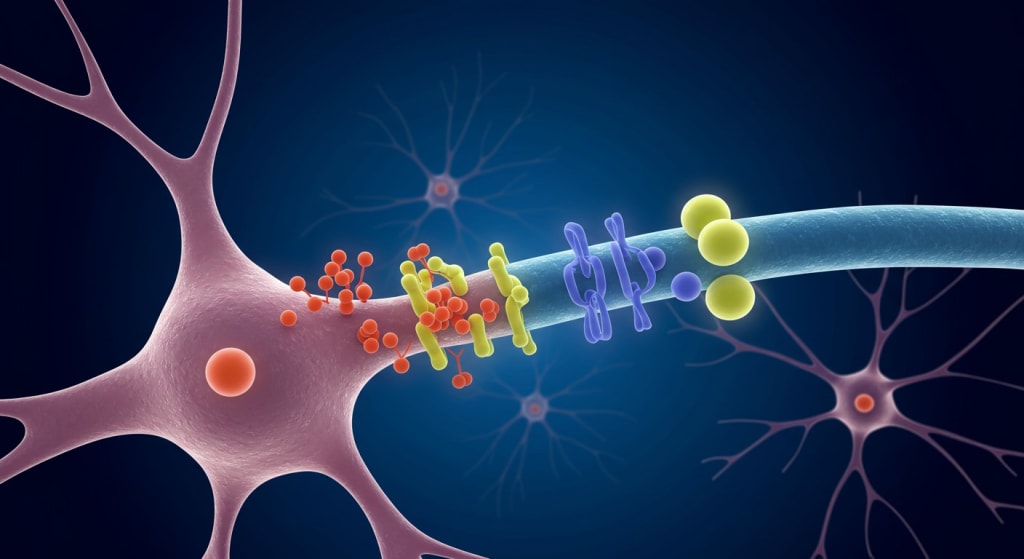
"Neurotransmitters are the language of the brain, and understanding their role is essential to understanding human behavior and cognition." - Dr. Eric Kandel, Nobel laureate
Neurotransmitters are chemical messengers transmitting signals from one nerve cell or neuron to another. Like this, they enable the brain and nervous system to function properly, and play a crucial role in physiological and psychological processes. Healthy neurotransmittance is key to optimal brain function-it is not wrong to say as it makes possible the efficient transmission of signals between neurons. It also enables many physiological and psychological processes.
Key Function
Neurotransmitters control:
• Mood and emotions
• Muscle movement
• Pain perception
• Appetite and sleep
• Memory
• Body temperature
• Blood pressure
Mode of Action
Neurotransmitters are released by the presynaptic neuron and bind to specific receptors on the surface of the postsynaptic neuron. This triggers a chemical signal towards postsynaptic neuron, which either excites or inhibits the neuron.
"The brain's neurotransmitter system is like a complex symphony, with different chemicals playing different notes to create a harmonious whole." - Dr. David Perlmutter, neurologist
Types of Neurotransmitters
• Acetylcholine
• Dopamine
• Serotonin
• Norepinephrine
• GABA (gamma-aminobutyric acid)
• Glutamate
• Endorphins
• Enkephalins
The Importance of Neurotransmitters
Neurotransmitters regulate various aspects of our lives:
1. Mood: Serotonin, dopamine, and norepinephrine regulate mood, appetite, and sleep.
2. Cognition: Acetylcholine and glutamate monitor attention, memory, and learning.
3. Motor Function: Dopamine and GABA help in movement, balance, and coordination.
4. Stress Response: Cortisol and adrenaline help in stress and danger.
5. Good feelings: Dopamine is called the "feel-good" neurotransmitter and promotes motivation and happiness.
7. Neural activity balance: GABA monitors excessive neural activity and promotes relaxation.
9. Love Feelings: Oxytocin promotes social bonds, trust, and is released during hugging and social bonding.
10. Natural Painkillers: Endorphins reduce pain and enhance pleasure.
11. Sleep regulation: Histamine helps regulate sleep and wakefulness.
"Neurotransmitters are the bridges that connect the islands of neurons in the brain, allowing them to communicate and coordinate their actions." - Dr. V.S. Ramachandran, neuroscientist
Factors that Influence Healthy Neurotransmittance
A variety of factors influence healthy neurotransmittance:
1. Nutrition: A diet with omega-3 fatty acids, vitamin D, and complex carbohydrates, maintains healthy neurotransmitter generation and function.
2. Exercise: Blood flow with regular exercise supports neuron health and neurotransmittance.
3. Sleep: Adequate sleep promotes detox and the production of neurotransmitters.
4. Anxiety: Chronic anxiety disrupts neurotransmitter balance.
5. Genetics: Genetics play a key role developing neurotransmitter imbalances.
Signs of Healthy and Unhealthy Neurotransmittance
Calm mood, emotional balance, sharp focus, mental clarity, balanced reflexes and consistent sleep are some of the signs of healthy neurotransmittance. Unhealthy neurotransmittance can manifest mood disorders, memory lapses, tremors, emotional reactivity, anxiety, insomnia, tremors and restlessness.
"The neurotransmitter system is a delicate balance of chemicals, and any disruption to this balance can have profound effects on our mood, behavior, and overall well-being." - Dr. Peter Whybrow, psychiatrist
Neurotransmitters are essential for brain and nervous system function. They are the agents in the body involved in regulating overall bodily functions. Imbalances in the production and release can lead to various neurological and psychiatric complications. For example, low serotonin levels provoke depression, and dopamine imbalances are linked to Parkinson’s disease and schizophrenia. GABA deficiency adds significantly to anxiety, whereas increased levels of glutamate may induce neurotoxicity, leading to neurodegenerative disorders. Acetylcholine plays a prime part in learning and muscle control, and its lowered levels are linked with Alzheimer’s disease. Norepinephrine regulates stress responses, and disruptions can end up in mood disorders. Proper neurotransmitter balance is significant for well-being. Proper medications, lifestyle adjustments, therapy, and dietary balances are aimed to replenish their function. Understanding neurotransmitters supports in working on the development of targeted therapies for multifarious conditions. This, at the same time, emphasizes their important role in overall physiological harmony.
About the Creator
Dr. Syeda Khair-ul-Bariyah
Science and Fiction writer
Keep reading
More stories from Dr. Syeda Khair-ul-Bariyah and writers in Longevity and other communities.
Breaking the Cage of Negative Thoughts: They Say, You Listen
Our brain is a factory of never-ending thoughts and ideas. These thoughts definitely come to mind, as this is what the mind is supposed to do, but it is up to us to decide how long we want to retain these thoughts.
By Dr. Syeda Khair-ul-Bariyah12 months ago in Motivation
Day 4 of Quitting
If this is how sobriety feels, maybe it’s better to go through life a little buzzed… this, along with other hits like, I want to kill myself, I wish I was dead, and I’m going to throw myself off a bridge have been the only thoughts on rotation these past few days. I promise myself that if, in a month, I still feel like this (‘this’ meaning despondent, full of rage, and simultaneously numb) I can go back to smoking. Until mid-February though? Nicotine is off the table.
By sleepy drafts22 days ago in Longevity
The Refiner’s Fire Is Not the Whetstone
There is a difference between being sharpened and being transformed, and confusing the two leads to frustration when growth does not feel productive. Sharpening implies refinement of existing form. Fire implies change in composition. Both processes are uncomfortable, but they operate on different levels and for different purposes. When people expect sharpening and receive fire instead, they often assume something has gone wrong, when in reality something deeper is taking place.
By Peter Thwing - Host of the FST Podcast4 days ago in Longevity


Comments