
Health and longevity
Is it enough only to live longer?


According to some studies, since the late 19th century, the population of the developed world seems to have made a Faustian pact to fool the aging process. In just a few generations, life expectancy gained an additional 30 years. By this time, more and more people are able to see their grandkids grow old. Now is common for an individual to live a long retirement (if you have resources). But in Faust-like fashion, there’s always a price to pay.
The price they have to pay is measured in maladies such as Osteoporosis, Alzheimer, to name a few. Long days that turn into endless years in an elderly home could sound like a good scenario for the fortunate. The demise of our health is what we can associate with growing old. To deal with this problem, a feasible solution could be to focus more on extending health than extending life. It may sound shocking and cold-hearted, but when you get right into the heart of the matter, quality overcomes quantity.
Western medicine focus solely on treating the disease. There’s little to no effort on creating a pathway to prevent such maladies. In Denmark, they took a totally different approach. Primary –care providers are more important than a specialist. Prevention is the norm; specialists are not as important as someone who can guide you by the hand towards a disease-free future. What you think? Sounds too good to be true, right? When an ill individual becomes a constant source of income for laboratories, their disease takes the starring role. The individual is just a supporting character in their own story.

When you think about it, to maintain a healthier life, we need to focus on creating healthy habits since childhood. That’s when a primary –care takes the lead. Western medicine should make a U-turn and change perspective. We need a change of horses, guide the population to live better, not longer.
According to the projection provided by economically-developed countries, in less than a decade and a half the population of individuals over the age of 70 will increase from the current 13% to a staggering 20% In the United States alone that percentage represent around 35 million people. If we take in consideration that number and the disproportionate amount of dollars spend on the existing programs targeted towards such demographics, it’s common sense to shift towards prevention instead of treatment.
It is said by the United nations that residents of high, middle, low incomes are likely to live 60 years and beyond. It has been called one of the most significant transformation of the current century. On the other hand, the World Health Organization is advising us that to live longer is not enough, the world still needs to develop policies and programs suited for health and social needs of the population throughout their lifespan, no matter their condition.

Prevention is better than treatment, that’s a fact. Eating right, getting plenty of sleep, is a simple but effective piece of advice that we can take now to reach a full, healthy life. I know treatment makes perfect sense when we simply see everything through the distorted lenses of dollars and cents. Our quest for profit pushes society in this endless quest of gaining as much as we can, while we can. We're burning the candle at both ends, what’s the point of living more if you’ll be dragging the load of a frail health all along? Prevention should be the norm, not profit!
Our elders deserve better, (and when our time comes, we deserve it too.)
About the Creator
Giovanni Profeta
Swimming through life one stroke at a time.
Keep reading
More stories from Giovanni Profeta and writers in Longevity and other communities.
The perception of beauty
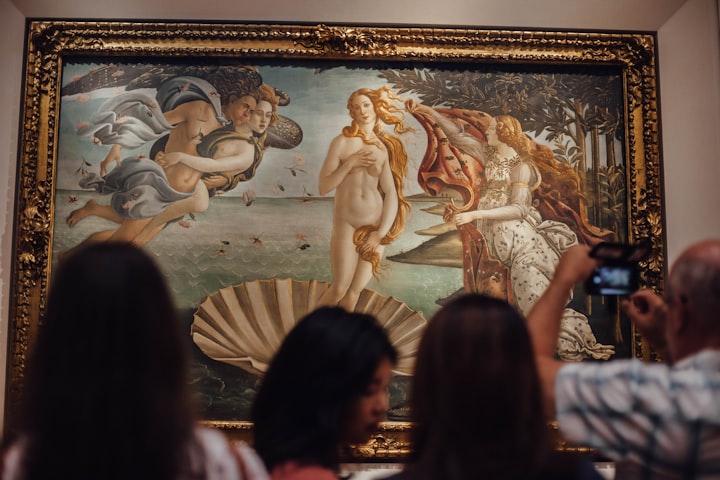
The perception of what we can call beautiful is strongly influenced by the style and trends of the society we’re living in. To explore this bold premise a little bit deeper (with all due respect) I would take as an example two different versions of Venus during the renaissance era. Interesting that two artist living in the same time frame took a totally different approach when it comes to portrait beauty in its purest form. This movement born in Florence was called the “rebirth” of society. Fueled by deeply humanistic approach, the Renaissance era left an indelible mark in history. Some of the greatest thinkers, artist, statement, came from this touched by wisdom period of time. Is not by mere chance that it’s called the bridge between middle ages and modern civilization.
By Giovanni Profeta4 years ago in Longevity
The Real Cost of Vehicle Accidents in the U.S.A
An automotive industry perspective grounded in data, history, and lived experience on America’s roads. Vehicle crashes are woven into the fabric of daily life in the United States. To many motorists, they’re a tragic “accident” but shift your lens toward the long arc of automotive history and economics, and a much larger picture emerges: one that touches families, business, government balance sheets, and the very structure of American mobility.
By Jane Smith5 days ago in Longevity
Caffeine and Anxiety: How Much Is Too Much for Students?
Coffee before class. Energy drink before assignments. Another coffee for night study. Sound familiar? For many students, caffeine feels like survival. But what if your daily cup is quietly making your anxiety worse?
By Being Inquisitive5 days ago in Longevity
Review of 'Man on the Run'
My wife and I saw Man on the Run, a nearly 2-hour documentary on Amazon Prime, about Wings, Paul McCartney's group that flew around the world from shortly after The Beatles broke up in early 1970 to shortly after John Lennon was murdered at the end of 1980, making a Beatles reunion forever impossible.
By Paul Levinsona day ago in Beat


Comments
There are no comments for this story
Be the first to respond and start the conversation.