
Health & Fitness: How COVID-19 Redefined Wellness in America and Beyond
In the wake of the global pandemic that shook the world between 2020 and 2022, societies across Europe and the U.S. underwent a seismic shift in priorities. Physical and mental health skyrocketed to the top of

**Health & Fitness: How COVID-19 Redefined Wellness in America and Beyond**
In the wake of the global pandemic that shook the world between 2020 and 2022 societies across Europe and the U.S. underwent a seismic shift in priorities Physical and mental health skyrocketed to the top of everyone’s radar It wasn’t just about dodging the virus anymore—it was about redefining what true wellness means. Lockdowns, isolation, and the relentless uncertainty of those years forced people to confront their lifestyles head-on. Suddenly immunity wasn’t just a buzzword; it was a survival strategy. But how exactly did COVID-19 reshape our approach to health? And what’s fueling this wellness revolution today? Let’s break it down.
The Home Workout Revolution: From Couch to Core**
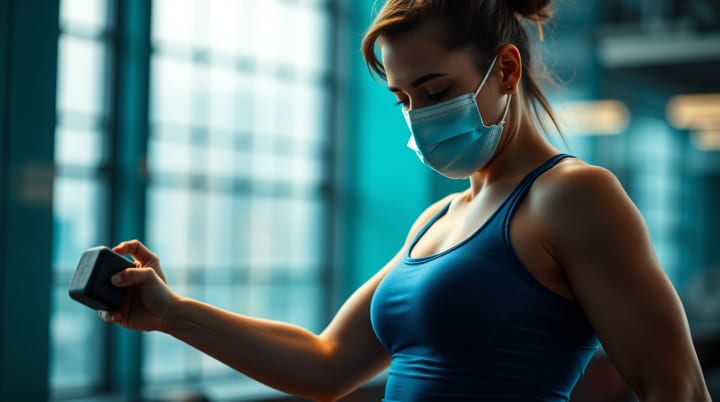
When gyms shut down overnight, America’s living rooms turned into fitness studios. Folks dusted off old yoga mats, propped up their phones, and streamed workouts like there was no tomorrow. YouTube and Instagram exploded with sweat-inducing content—think Chloe Ting’s ab challenges or Yoga with Adriene’s calming flows. According to a **World Health Organization (WHO)** report, at-home exercise surged by 40% in the U.S. and Europe during the pandemic. HIIT (High-Intensity Interval Training) became the go-to for time-crunched Americans, while Pilates gained a cult following for its focus on strength and flexibility.
But it wasn’t just about burning calories. People started connecting the dots between fitness and immunity. Suddenly, that daily walk or living room dance party wasn’t just for weight loss—it was armor against getting sick.

Mental Health: The Silent Pandemic**
Let’s keep it real: COVID-19 messed with our heads. Anxiety and depression spiked as jobs vanished, social connections frayed, and the news cycle felt like a never-ending horror movie. A **Pew Research Center** study found that 60% of U.S. adults leaned on mental health apps like **Headspace** and **Calm** to cope. Guided meditations, sleep stories, and breathing exercises became daily rituals. Over in Europe, campaigns like the U.K.’s *“Every Mind Matters”* pushed people to prioritize their mental well-being without shame.
And hey, it wasn’t all about screens. Folks got creative—Scandinavians embraced “forest bathing” (yes, literally hanging out in nature to de-stress), while virtual therapy sessions and online support groups became the new normal. Mental health wasn’t just a personal struggle anymore; it was a public conversation.
Diet Trends: From Keto to Plant-Based Power**
Grocery store shelves told the story: Sales of immune-boosting foods like ginger, turmeric, and citrus fruits went through the roof. But the real stars? **Keto** and **plant-based diets**. Google searches for “keto recipes” shot up 300% in the U.S. in 2020, as Americans traded carbs for avocado everything. Meanwhile, Europe saw a vegan wave—Germany and Sweden led the charge, with plant-based meat alternatives flying off shelves.
Why the shift? People weren’t just chasing weight loss. They wanted diets that fought inflammation, boosted energy, and—let’s be honest—made them feel *in control* during chaos. Nutritionists suddenly became social media rockstars, dishing out advice on everything from gut health to superfood smoothies.
Supplements: The New Daily Essentials**
Remember when vitamins were something your mom nagged you about? Post-COVID, they’re a lifestyle. With folks stuck indoors, **vitamin D** sales jumped 25% in the U.S., according to *Consumer Reports*. Zinc and vitamin C flew off pharmacy shelves as people scrambled to bulletproof their immune systems.
But it’s not all sunshine and rainbows. Experts like the **European Food Safety Authority (EFSA)** warned against popping pills like candy. Their message? *“Food first.”* A balanced plate of veggies, lean proteins, and whole grains still beats a cabinet full of supplements.
Fitness Tech: Your Pocket-Sized Wellness Coach**

Apps and gadgets aren’t just for selfies anymore—they’re your new fitness buddies. **MyFitnessPal** hit 50 million downloads in the U.S. and Europe by 2022, helping users track every calorie and macro. Want to meditate? **Headspace** turned mindfulness into a mainstream habit, with tailored programs for pandemic burnout.
And let’s not forget the rise of smart tech. **Peloton** bikes turned living rooms into spin studios, while Apple Watches tracked everything from heart rate to sleep quality. Suddenly, health wasn’t a guessing game—it was data-driven.
The Bottom Line: Health Isn’t a Trend—It’s a Lifestyle**
COVID-19 didn’t just change how we work or socialize—it rewired how we think about health. Today, fitness isn’t about fitting into jeans; it’s about building resilience. Diets aren’t fads; they’re fuel for longevity. And mental health? It’s no longer whispered about—it’s front and center.
Sure, tech plays a huge role, but the real win is the mindset shift. We’re finally treating our bodies and minds like the VIPs they are. So, whether you’re crushing a HIIT workout, whipping up a keto meal, or just taking five minutes to breathe, remember: Wellness isn’t a destination. It’s the journey we’re all on—*together*.
This is a book for building muscle and maintaining your health. A healthy mind in a healthy body. This book is completely free for anyone who wants to download it. I repeat that it is free for anyone who wants to download it. To download the book, click here.
**What’s your post-pandemic wellness hack? Share it below!** 💪🥑🧘♂️
About the Creator
sami 2025
**Sami Marjan**
A writer and author passionate about the world of stories and articles,he finds his pleasure in weaving tales and exploring different literary worlds. Where he honed his writing and analysis skills. He always seeks to
Day 4 of Quitting
If this is how sobriety feels, maybe it’s better to go through life a little buzzed… this, along with other hits like, I want to kill myself, I wish I was dead, and I’m going to throw myself off a bridge have been the only thoughts on rotation these past few days. I promise myself that if, in a month, I still feel like this (‘this’ meaning despondent, full of rage, and simultaneously numb) I can go back to smoking. Until mid-February though? Nicotine is off the table.
By sleepy drafts12 days ago in Longevity
When Zebras Fight Back
Ever since I was a child I was told my strange symptoms of joint pain, fatigue, headaches, and breathlessness and light-headedness on exertion were "all in my head", "stress", "attention-seeking" and from "laziness", and I just needed to get more exercise.
By Skye Bothma3 days ago in Longevity



Comments
There are no comments for this story
Be the first to respond and start the conversation.