
Guided vs. Silent Meditation: Which One’s Right for You?
Exploring the benefits and challenges of two distinct paths to presence

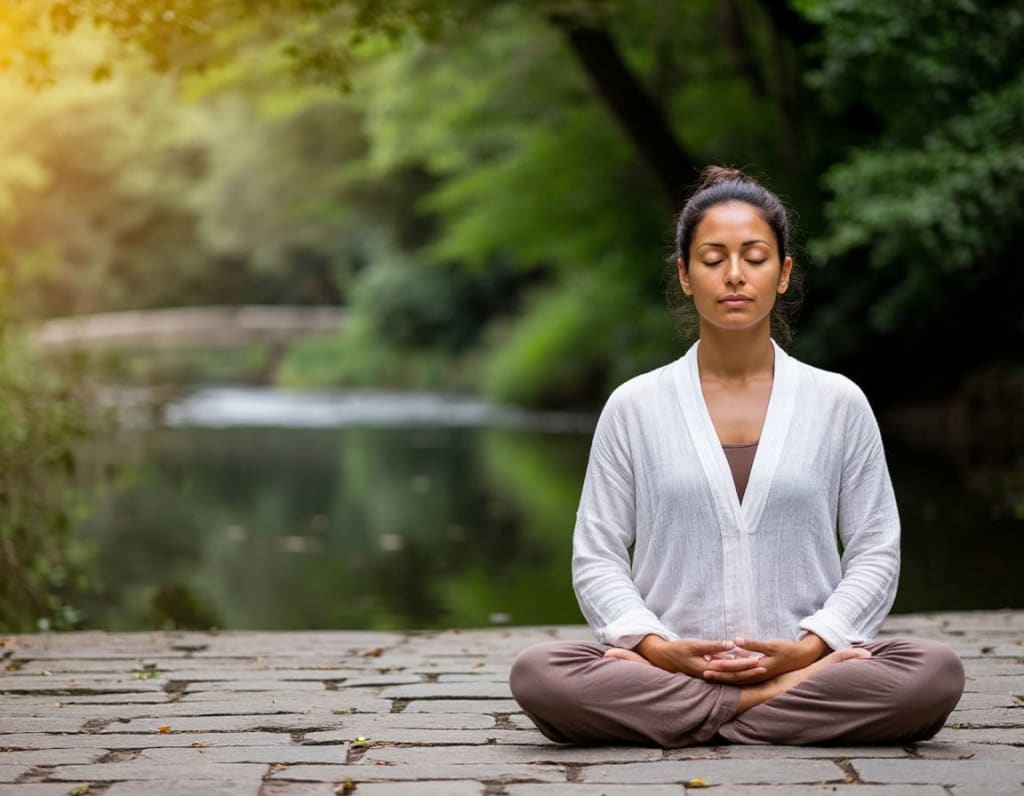
You sit down to meditate. You’ve carved out the time. The room is quiet. But then the question arises:
Should I listen to a guided track? Or just sit in silence?
It’s a common dilemma—especially for those new to meditation or those whose practice is evolving. Guided and silent meditation each offer powerful experiences, but they differ significantly in approach, effect, and accessibility.
There’s no universal right answer. But understanding the strengths and limitations of each can help you choose what suits your mood, mindset, or moment in life.
What Is Guided Meditation?
Guided meditation involves a voice (human or recorded) leading you through a practice. It may include breath cues, body scans, visualizations, affirmations, or mindfulness prompts.
Benefits of Guided Meditation:
Structure and support: Great for beginners who feel overwhelmed by silence
Focus anchor: The voice provides direction when the mind wanders
Variety: From sleep meditations to chakra balancing, you can explore many approaches
Accessibility: Apps, YouTube, and podcasts offer a wide range of free or affordable content
Reduced pressure: You don’t need to “figure it out” on your own
Guided meditations act like training wheels for your awareness. They remind you to return, to soften, to breathe. They also make it easier to establish consistency, since you can follow along even on days when you're feeling scattered.
Challenges:
Dependence on external input: Some meditators find they can't focus without guidance over time
Quality varies: Not all voices, scripts, or intentions resonate equally
Limited silence: The constant narration can become a barrier to deeper stillness
What Is Silent Meditation?
Silent meditation strips away external input. No voice, no music—just you, your breath, and your awareness. It's often practiced in traditions like Zen, Vipassana, or mindfulness-based approaches.
Benefits of Silent Meditation:
Deep internal awareness: You begin to truly observe your thoughts without filters
Greater autonomy: You learn to trust yourself to return to presence
Fewer distractions: Silence allows for unstructured, organic stillness
Depth over time: Silent practices often lead to deeper insight and emotional regulation
Silent meditation is a mirror. It reflects what’s really happening inside—without comment, interpretation, or guidance. It helps build mental strength, patience, and resilience.
Challenges:
Difficult for beginners: Without structure, it’s easy to get lost in thought
Can feel overwhelming: Especially if you’re dealing with anxiety or trauma
Requires self-discipline: No external cues means full responsibility for staying present
How to Choose What’s Right for You
There’s no need to choose one forever. In fact, many experienced meditators use both, depending on the day.
Here’s how to decide in the moment:
If You Feel... Try This Meditation Style
Distracted or restless Guided
Curious about a new technique Guided
Mentally overstimulated Silent
Emotionally overloaded Guided (especially with body scans)
Centered but seeking depth Silent
Struggling to commit Guided (short, structured sessions)
Desire for raw presence Silent
You might even blend them:
→ Start with 5 minutes of guided breathing, then sit in silence
→ Use a short prompt to open the session, then close in quiet awareness
Meditation is not about perfection—it’s about presence.
Final Thought: Follow the Practice That Meets You Where You Are
Guided meditation is like holding someone’s hand through a forest. Silent meditation is learning to walk it alone. Both paths are valid. Both can be profound.
The question isn’t which is “better.”
It’s: What does my mind need right now? What supports me in showing up?
Some days you may need a voice. Some days, just the breath.
The key is to listen—and trust that your meditation, however it looks, is enough.
About the Creator
Keep reading
More stories from Marina Gomez and writers in Longevity and other communities.
Using Temperature and Touch in Somatic Meditation
What if your body held the key to calming your mind—not through thought, but through sensation? In the world of mindfulness, meditation is often seen as a mental activity: observe your thoughts, follow your breath, return to the moment. But somatic meditation offers something deeper. It invites you to anchor awareness in your felt experience—what your skin senses, what your muscles hold, and how your body meets the world.
By Marina Gomez8 months ago in Longevity




Comments
There are no comments for this story
Be the first to respond and start the conversation.