
Gluten-Free Living: Is It Right for You?
Gluten-Free: The Surprising Health Trend Taking the World by Storm!

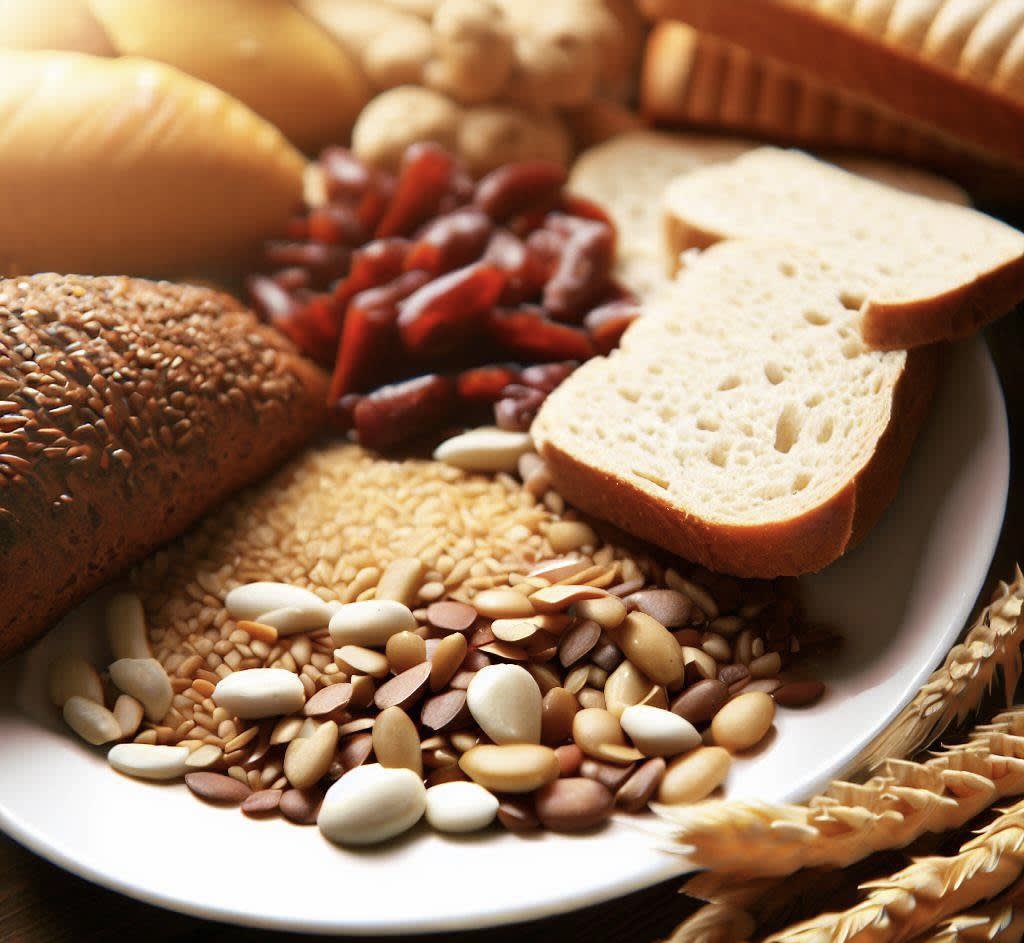
In recent years, the popularity of gluten-free diets has skyrocketed. Gluten-free products can be found on the shelves of almost every grocery store, and countless cookbooks and online resources cater to those seeking to eliminate gluten from their diets. But is a gluten-free lifestyle right for everyone? This essay will explore the concept of gluten, the reasons behind the rise in gluten-free living, and the factors one should consider when deciding whether or not to adopt a gluten-free diet.
To begin, let's understand what gluten is. Gluten is a protein composite found in wheat, barley, and rye. It provides elasticity and structure to baked goods and helps them maintain their shape. For the majority of people, gluten is harmless and can be consumed without any adverse effects. However, for individuals with celiac disease, gluten sensitivity, or wheat allergies, avoiding gluten is essential for their health and well-being.
Celiac disease is an autoimmune disorder triggered by the consumption of gluten. It causes damage to the small intestine, leading to malabsorption of nutrients and a range of symptoms, including abdominal pain, bloating, diarrhea, and fatigue. For individuals with celiac disease, following a strict gluten-free diet is the only treatment available.
Gluten sensitivity, on the other hand, is a condition in which individuals experience symptoms similar to those of celiac disease but lack the specific antibodies and intestinal damage seen in celiac patients. The exact cause of gluten sensitivity is still not fully understood, but some individuals report feeling better when they avoid gluten-containing foods.
The rise in gluten-free living can be attributed to several factors. First, increased awareness and diagnosis of celiac disease have played a significant role. According to the Celiac Disease Foundation, an estimated 1 in 100 people worldwide has celiac disease, but many remain undiagnosed. As more people become aware of the condition and its associated symptoms, they are seeking medical advice and opting for gluten-free diets.
Moreover, some individuals without a formal diagnosis of celiac disease or gluten sensitivity believe that eliminating gluten from their diets can lead to weight loss, improved digestion, increased energy levels, and overall better health. This perception has been fueled by popular media, celebrities, and social media influencers who endorse gluten-free diets as a means to achieve these benefits.
However, it is crucial to consider certain factors before deciding to adopt a gluten-free diet. Firstly, it is essential to consult a healthcare professional, such as a registered dietitian or doctor, to determine if you have celiac disease or gluten sensitivity. Self-diagnosing and eliminating gluten without proper medical guidance may lead to unnecessary dietary restrictions and potential nutrient deficiencies.
Secondly, it is worth noting that gluten-free products are often more expensive and may have a different taste and texture compared to their gluten-containing counterparts. For those without celiac disease or gluten sensitivity, there may be no tangible benefits to adopting a gluten-free diet, and it may become a source of unnecessary stress and inconvenience.
Additionally, gluten is present in many staple foods, including bread, pasta, cereals, and baked goods. Removing gluten from your diet requires careful planning and education to ensure that you still obtain all the necessary nutrients, including fiber, B vitamins, and iron. A registered dietitian can help develop a balanced and nutritious gluten-free meal plan tailored to your specific needs.
Lastly, it is essential to recognize that a gluten-free diet is not a guarantee of improved health or weight loss. Many gluten-free products are highly processed and can be high in sugar, unhealthy fats, and calories. It is crucial to focus on a whole foods approach and choose naturally gluten-free foods such as fruits, vegetables, lean proteins, nuts, and seeds.
In conclusion, gluten-free living is a necessary and life-changing choice for individuals with celiac disease, gluten sensitivity, or wheat allergies. However, for those without these conditions, adopting a gluten-free diet requires careful consideration. It is crucial to consult with healthcare professionals, understand the potential benefits and drawbacks, and ensure proper nutrition when eliminating gluten from your diet. Making an informed decision will help you determine whether a gluten-free lifestyle is right for you.
About the Creator
Keep reading
More stories from Prof Dr Barış Öztürk and writers in Longevity and other communities.
Mindful Eating: How to Develop a Healthy Relationship with Food
In today's fast-paced world, the act of eating has become rushed and mindless for many people. We often find ourselves consuming food while multitasking, scrolling through our phones, or watching television. This disconnected approach to eating has led to a plethora of health issues, including obesity, overeating, and poor digestion. However, there is a solution to this problem - mindful eating. Mindful eating is a practice that encourages us to develop a healthy relationship with food by bringing awareness and intention to our eating habits. This essay will delve into the concept of mindful eating and provide practical tips on how to incorporate it into our daily lives.
By Prof Dr Barış Öztürk3 years ago in Longevity
Why Malnutrition Is a Hidden Problem in the Elderly
When people think about malnutrition, they often imagine individuals who are underweight or living with severe food shortages. However, malnutrition can also affect older adults—even those who appear to be eating regularly.
By Being Inquisitive4 days ago in Longevity



Comments
There are no comments for this story
Be the first to respond and start the conversation.