
Fast Food and Its Impact on Health
How our love for convenience is shaping the future of our health and well-being


In today’s fast-paced world, fast food has become a daily habit for millions. Whether it’s grabbing a quick burger between meetings, ordering pizza after work, or stopping for fries on the way home, fast food fits perfectly into our busy schedules. But while it saves time and satisfies cravings, it also comes with a hidden cost — our health.
Fast food is not just a meal; it’s a cultural phenomenon. Over the past few decades, it has transformed the way people eat, live, and even think about food. Yet, behind its bright signs and tempting flavors lies a serious issue — the growing connection between fast food consumption and chronic health problems.
---
The Rise of Fast Food Culture
Fast food chains started gaining popularity in the mid-20th century when families began seeking convenience in their daily routines. Companies like McDonald’s, Burger King, and KFC introduced a new way of eating — quick, cheap, and tasty. Today, fast food restaurants are nearly everywhere, from airports to small towns.
The rise of delivery apps and online ordering has made fast food even more accessible. With just a few taps on a smartphone, a meal can arrive at your door in minutes. This convenience has changed eating habits, especially among younger generations, who often prioritize speed over nutrition.
---
What’s Really in Fast Food?
The main issue with fast food isn’t just the speed — it’s what’s in the food itself. Most fast food items are high in calories, fats, sugar, and sodium, while being low in essential nutrients like fiber, vitamins, and minerals.
High sodium content: Excess salt raises blood pressure and increases the risk of heart disease and stroke.
Unhealthy fats: Many fast foods use trans fats, which are known to raise bad cholesterol (LDL) and lower good cholesterol (HDL).
Added sugars: Sugary drinks and desserts contribute to obesity and increase the risk of type 2 diabetes.
Low nutrition: Fast food meals often lack vegetables, whole grains, and fresh ingredients — leading to poor overall diet quality.
When consumed occasionally, fast food may not cause harm. But eating it regularly can have lasting effects on your body.
---
Health Problems Linked to Fast Food
Studies have consistently shown that frequent consumption of fast food contributes to several major health problems, including:
1. Obesity: Fast food is high in calories and low in nutrients. Regularly eating high-calorie meals leads to weight gain, especially when combined with a sedentary lifestyle.
2. Heart disease: Fried foods and processed meats increase cholesterol levels and promote plaque buildup in arteries.
3. Diabetes: Excessive sugar and fat intake disrupts insulin balance, leading to insulin resistance — a key factor in type 2 diabetes.
4. Digestive issues: Low fiber intake from fast food can cause constipation and poor digestion.
5. Mental health effects: Some studies link fast food diets with higher rates of depression and anxiety due to poor nutrition and blood sugar fluctuations.
These health problems don’t appear overnight. They develop slowly, often unnoticed, until they become serious.
---
The Psychological Side of Fast Food
Fast food isn’t only about taste — it’s about emotion and habit. The smell of fries or the sight of a logo can trigger instant cravings. Marketing plays a huge role, too. Bright colors, catchy slogans, and childhood nostalgia make fast food hard to resist.
Psychologists describe this as “food addiction.” The combination of sugar, salt, and fat activates the brain’s reward system, similar to how drugs or alcohol do. Over time, people crave these foods even when they’re not hungry. This emotional dependency makes it difficult to break the fast-food habit.
---
Can Fast Food Ever Be Healthy?
Interestingly, many fast food companies have started to adapt to growing health awareness. Salads, grilled options, and plant-based burgers are now common on menus. However, even these so-called “healthy” options can be misleading.
A salad loaded with dressing or fried toppings can contain as many calories as a burger. Similarly, “low-fat” items may have added sugars to maintain flavor. The key is to read nutrition labels and make mindful choices — opt for smaller portions, skip sugary drinks, and include fresh fruits or vegetables when possible.
Moderation is crucial. Eating fast food occasionally isn’t the problem — making it a daily habit is.
---
Steps Toward Healthier Eating
You don’t have to give up convenience to stay healthy. Here are some small changes that make a big difference:
Cook at home more often. Preparing simple meals gives you control over ingredients.
Choose water instead of soda. Sugary drinks are one of the biggest sources of empty calories.
Balance your meals. If you have fast food for lunch, eat something lighter and more nutritious for dinner.
Add movement. Physical activity helps counteract some of the negative effects of an unhealthy diet.
Plan ahead. Keeping healthy snacks like nuts or fruit handy reduces temptation.
Small changes over time lead to better habits — and better health.
---
The Bigger Picture
Fast food represents more than just what’s on your plate; it reflects society’s priorities — speed over sustainability, convenience over care. As cities grow busier and lifestyles more demanding, it’s easy to fall into the fast-food trap. But understanding its impact empowers us to make smarter choices.
Governments, schools, and communities are also playing a role by promoting healthy eating initiatives and encouraging awareness about nutrition. Public campaigns now highlight the importance of portion control, label reading, and balanced diets.
Ultimately, the choice lies with us. By being aware of what we eat and why we eat it, we can enjoy convenience without sacrificing our well-being.
---
Conclusion
Fast food may be a modern necessity, but it doesn’t have to define our diets. Awareness, moderation, and mindful decisions can help maintain balance. The next time you’re tempted by a drive-thru, remember — your health is worth more than a few minutes saved.
About the Creator
Fiaz Ahmed
I am Fiaz Ahmed. I am a passionate writer. I love covering trending topics and breaking news. With a sharp eye for what’s happening around the world, and crafts timely and engaging stories that keep readers informed and updated.
Keep reading
More stories from Fiaz Ahmed and writers in Longevity and other communities.
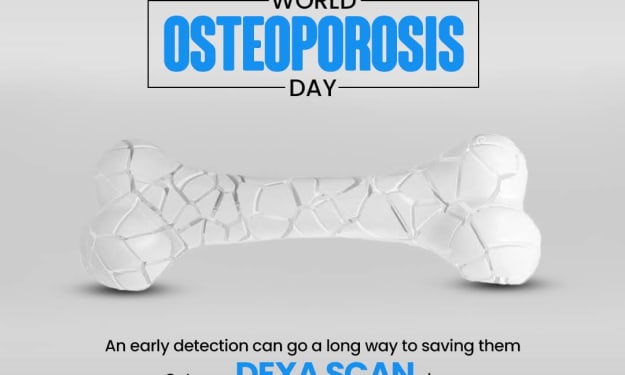
World Osteoporosis Day: Building Stronger Bones, Building a Healthier Future
Every year on October 20th, people around the globe observe World Osteoporosis Day—a day dedicated to raising awareness about bone health and encouraging preventive action against osteoporosis. This global health campaign, organized by the International Osteoporosis Foundation (IOF), highlights the importance of early detection, proper nutrition, exercise, and medical care in maintaining healthy bones throughout life.
By Fiaz Ahmed 5 months ago in Longevity
7 Habits That Can Spike Your Morning Blood Sugar
Blood sugar levels that are consistently high in the morning can happen for a variety of reasons. Habits such as poor-quality sleep, intense evening exercise, nighttime snacks or alcohol, and skipping dinner can all contribute to high morning blood sugar, as can insulin timing and type.
By Good health to everyone6 days ago in Longevity
Two Grumpy Old Men Solve the Problem
Marty and Steve were two grumpy old men who lived together. They had known each other for years. Marty had been a bachelor all his life. Steve said it was because no one could stand to ever live with him. Marty’s standard reply was “Well, you are, so what sort of a moron does that make you!”
By Calvin London8 days ago in Humor



Comments
There are no comments for this story
Be the first to respond and start the conversation.