
Exercise Cuts Cancer Risk
28% Drop in Colon Cancer Return & Death

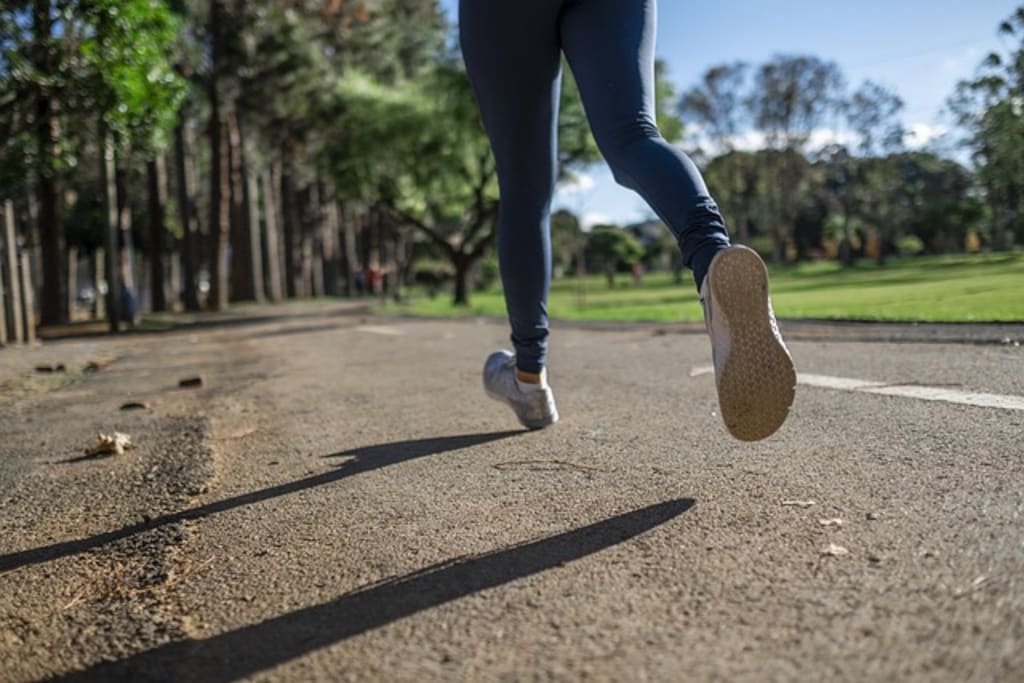
Regular, moderate exercise can dramatically lower the chance of colon cancer recurring and increase survival rates, according to a large clinical trial. The study found that patients who engaged in regular physical activity experienced a 28% decrease in overall mortality and cancer recurrence.
A sizable number of patients who had recently received treatment for stage II and III colon cancer participated in the study, which was carried out across several international cancer centers. Over the course of several years, participants were observed in two groups. One group maintained a typical lifestyle following treatment, while the other group participated in basic, structured exercise, mainly 150 minutes a week of brisk walking.
The results were unmistakable and significant: regular exercisers had a significantly lower chance of their cancer returning and a higher chance of long-term survival. Crucially, the suggested exercises weren't too strenuous or taxing, so most recuperating patients, regardless of age or fitness level, could perform them.
The Power of Movement
According to lead researchers, this could revolutionize the way that cancer aftercare is handled. One of the study's senior authors, Dr. Emily Hartman, stated that exercise is a low-risk, low-cost intervention that yields significant benefits. "We now have strong evidence that even something as simple as walking every day can save lives."

Although the benefits of exercise for cancer patients are not new, this study is one of the strongest to show a direct correlation between exercise and a quantifiable decrease in colon cancer death and recurrence. By enhancing immune function, lowering inflammation, controlling insulin levels, and increasing general metabolism—all of which are known to affect the course of cancer—researchers hypothesize that physical activity may be beneficial.
Changing the Standard of Care
The ramifications are extensive because colon cancer is the third most common cancer worldwide. Along with routine screenings and dietary recommendations, doctors are now calling for exercise to be a standard part of cancer survivorship care plans.
"Just like they do with medications, doctors, oncologists, and rehabilitation teams should discuss exercise with their patients," Dr. Hartman stated.
Practical Guidance
Experts stress that patients do not have to spend a lot of money on intensive training or join a gym. Walking, light cycling, or even active housework are examples of simple, regular movement that can have a big impact. Making it a regular habit is crucial.

Millions of cancer survivors are given hope and empowerment by the trial's findings. One message is emerging more and more as studies on the relationship between lifestyle choices and cancer outcomes continue to be conducted: movement is important. Consistently taking even modest actions can result in a longer and healthier lifespan.
A Lifestyle Shift, Not a Short-Term Fix
The significance of long-term behavioral change is also emphasized by the study. Exercise should be considered a vital component of a survivor's lifestyle rather than a short-term endeavor. Survivors who continued to exercise after the study ended continued to have better mental and physical health outcomes. One of the most effective strategies for long-term wellbeing may be the development of minor but enduring habits as patients move from treatment to recovery.

Millions of cancer survivors are given hope and empowerment by the trial's findings. One message is emerging more and more as studies on the relationship between lifestyle choices and cancer outcomes continue to be conducted: movement is important. Consistently taking even modest actions can result in a longer and healthier lifespan.
A New Chapter in Cancer Recovery
This groundbreaking study supports the straightforward but potent idea that healing is a lifelong process that extends beyond medical intervention. The road to recovery for people who have survived colon cancer and their loved ones now includes movement in addition to medication. Survivors are not only extending their lives by engaging in regular, moderate exercise, but they are also extending their days. Sometimes the most straightforward solution—keep moving and keep living—is the most effective one in a world that is constantly looking for complicated solutions.
About the Creator
Tousif Arafat
Professional writer focused on impactful storytelling, personal growth, and creative insight. Dedicated to crafting meaningful content. Contact: [email protected] — Tousif Arafat
Keep reading
More stories from Tousif Arafat and writers in Longevity and other communities.
Voices That Changed the World
Introduction A few words uttered or written by exceptional minds have survived generations, empires, and technological advancements throughout history. These words were sparks, not merely statements. sparks that sparked movements, discoveries, revolutions, and individual changes.
By Tousif Arafat2 months ago in Motivation
Scientists Are Shocked: This “Boring” Lifestyle Secret Might Be the Real Key to Living Longer
When people search for ways to live longer, they often expect something groundbreaking—a newly discovered supplement, a futuristic treatment, or a secret used by the ultra-wealthy. The idea that longevity could come down to simple, everyday habits feels almost disappointing.
By Lukáš Hrdlička7 days ago in Longevity
Green Tea: A Cup Full of Wellness 🌿 (Health Tips)
Introduction Green tea is more than just a warm and relaxing drink — it is one of the most loved natural beverages in the world. It is made from the leaves of the plant (Camellia sinensis) a plant known for its rich antioxidants and healing properties.
By Health Tips3 days ago in Longevity


Comments
There are no comments for this story
Be the first to respond and start the conversation.