
Europe Photodynamic Therapy Market Size and Forecast 2025–2033
Europe’s photodynamic therapy market is entering a decisive growth phase as healthcare systems increasingly embrace precision-driven, non-invasive treatment options for cancer and chronic skin disorders.


Market Snapshot
Market Size (2025): US$ 1.12 Billion
Market Size (2033): US$ 2.06 Billion
CAGR (2025–2033): 6.95%
Source: Renub Research
Europe Photodynamic Therapy Market Outlook
Photodynamic Therapy (PDT) is a minimally invasive medical treatment that combines a light-sensitive drug, known as a photosensitizer, with a specific wavelength of light to selectively destroy abnormal or diseased cells. Once activated by light, the photosensitizer produces reactive oxygen species that eliminate targeted cells without harming surrounding healthy tissue.
Across Europe, PDT is increasingly used in:
Oncology – basal cell carcinoma, esophageal cancer, lung cancer, head & neck tumors
Dermatology – actinic keratosis, acne, psoriasis
Aesthetic medicine – skin rejuvenation and cosmetic dermatology
The appeal of PDT lies in its precision, minimal scarring, faster recovery time, and lower systemic side effects compared to surgery, chemotherapy, or radiation therapy. As European healthcare systems shift toward patient-centric and outpatient-based treatments, photodynamic therapy is gaining strong clinical and commercial momentum.
Growth Drivers in the Europe Photodynamic Therapy Market
Rising Prevalence of Cancer and Chronic Skin Conditions
Europe continues to experience a steady rise in cancer incidence and chronic dermatological disorders, largely due to population aging, lifestyle changes, and environmental factors. Skin cancers such as basal cell carcinoma and precancerous conditions like actinic keratosis are becoming more prevalent, particularly in Northern and Western Europe.
PDT offers an effective alternative for patients who are unsuitable for surgery or prefer non-invasive care. Its ability to selectively target lesions while preserving healthy tissue makes it especially valuable for elderly patients and those requiring repeated treatments.
Technological Advancements in PDT Devices and Photosensitizers
Continuous innovation in light delivery systems, laser technology, LEDs, and photosensitizer chemistry has significantly enhanced treatment efficacy. Modern PDT devices now offer:
Deeper tissue penetration
Reduced treatment duration
Improved patient comfort
Enhanced precision and repeatability
European hospitals and specialty clinics are investing heavily in next-generation PDT systems that integrate smart controls, portability, and compatibility with outpatient and ambulatory care settings.
Growing Demand for Non-Invasive and Outpatient Procedures
European patients increasingly favor therapies that minimize pain, hospital stays, and recovery time. Photodynamic therapy aligns perfectly with this demand by offering:
Office-based procedures
Minimal anesthesia requirements
Quick return to daily activities
This shift toward minimally invasive medicine is strongly supported by dermatologists, oncologists, and healthcare policymakers seeking cost-effective and patient-friendly solutions.
Challenges in the Europe Photodynamic Therapy Market
Limited Awareness and Clinical Familiarity
Despite its clinical benefits, PDT adoption remains uneven across Europe. Many healthcare professionals still rely on traditional treatment modalities due to limited exposure, training gaps, and lack of standardized clinical guidelines. Variations in awareness across countries and institutions slow broader integration into routine care pathways.
High Treatment Costs and Reimbursement Constraints
The cost of specialized PDT equipment, photosensitizer drugs, and treatment sessions remains a barrier in several European healthcare systems. Reimbursement policies for PDT vary significantly by country, creating uncertainty for providers and limiting patient access—particularly in publicly funded healthcare environments.
Europe Photodynamic Therapy Market by Segment
Europe Photodynamic Therapy Devices Market
Photodynamic therapy devices form the technological backbone of the market, including lasers, LEDs, and fiber-optic light delivery systems. Their precision, safety profile, and expanding applications make them a major revenue contributor. Increasing portability and digital integration are further accelerating adoption across hospitals and specialty clinics.
Europe Cancer Photodynamic Therapy Market
Cancer treatment represents the largest application segment for PDT in Europe. It is increasingly used for localized tumors where conventional therapies pose higher risks. Cancer institutes across Europe are integrating PDT into combination treatment strategies, enhancing therapeutic outcomes while reducing systemic toxicity.
Europe Psoriasis Photodynamic Therapy Market
For patients with moderate to severe psoriasis unresponsive to conventional therapies, PDT offers a promising alternative. Its ability to reduce inflammation with minimal systemic side effects has made it increasingly popular among European dermatologists, especially in long-term disease management.
Europe Photodynamic Therapy Hospitals Market
Hospitals remain the primary end users of PDT, benefiting from advanced infrastructure, trained specialists, and established reimbursement pathways. Both public and private hospitals are expanding PDT capabilities to diversify treatment offerings and improve patient outcomes.
Europe Photodynamic Therapy Cancer Treatment Centers Market
Specialized cancer centers play a crucial role in advancing PDT adoption through clinical trials, early adoption of novel photosensitizers, and integration with multimodal cancer therapies. Their research-driven approach continues to accelerate market growth.
Country-Level Insights
Germany Photodynamic Therapy Market
Germany leads the European PDT market, supported by a robust healthcare system, strong reimbursement frameworks, and extensive clinical research. High adoption rates in oncology and dermatology position Germany as a regional innovation hub.
United Kingdom Photodynamic Therapy Market
The UK market is expanding steadily, driven by NHS coverage for select PDT applications and a strong emphasis on non-invasive treatments. Collaborative research between academic institutions and hospitals continues to unlock new clinical uses.
Netherlands Photodynamic Therapy Market
The Netherlands stands out for early adoption of precision medical technologies. Government-backed healthcare programs and a strong academic research ecosystem support growing PDT usage, particularly in dermatology.
Russia Photodynamic Therapy Market
Russia presents emerging opportunities, especially in urban hospitals and private cancer centers. While awareness and reimbursement remain challenges, healthcare modernization efforts are expected to drive gradual adoption.
Market Segmentation Overview
By Product Type
Photodynamic Therapy Devices
Photosensitizer Drugs
By Application
Cancer
Actinic Keratosis
Psoriasis
Acne
Others
By End User
Hospitals
Cosmetic & Dermatology Clinics
Cancer Treatment Centers
Others
By Country
France, Germany, Italy, Spain, United Kingdom, Belgium, Netherlands, Russia, Poland, Greece, Norway, Romania, Portugal, Rest of Europe
Key Players Analysis
The European photodynamic therapy market features a competitive mix of pharmaceutical innovators and medical device manufacturers, including:
Galderma S.A.
Sun Pharmaceutical Industries Ltd.
Biofrontera Inc.
Lumibird S.A.
Bausch Health Companies Inc.
Soligenix Inc.
Modulight Corporation
Theralase Technologies Inc.
Each company is analyzed across five viewpoints: overview, key personnel, recent developments, SWOT analysis, and revenue performance.
Final Thoughts
The Europe Photodynamic Therapy Market is poised for sustained growth through 2033, driven by rising cancer incidence, expanding dermatological applications, and accelerating technological innovation. As healthcare systems prioritize minimally invasive, cost-effective, and patient-friendly treatments, PDT is set to become an integral part of modern European medical practice.
Improved clinical awareness, standardized guidelines, and supportive reimbursement frameworks will be critical in unlocking the market’s full potential. With continued investment in research, devices, and photosensitizers, photodynamic therapy stands at the forefront of Europe’s next generation of precision healthcare solutions.
About the Creator
Marthan Sir
Educator with 30+ years of teaching experience | Passionate about sharing knowledge, life lessons & insights | Writing to inspire, inform, and empower readers.
Keep reading
More stories from Marthan Sir and writers in Longevity and other communities.
Europe Wearable Medical Devices Market & Forecast 2025–2033
Europe Wearable Medical Devices Market Outlook The Europe Wearable Medical Devices Market is undergoing a rapid transformation as healthcare systems increasingly shift toward preventive, personalized, and digitally enabled care. According to Renub Research, the market is anticipated to expand from US$ 11.41 billion in 2024 to US$ 37.4 billion by 2033, growing at a robust CAGR of 14.1% during 2025–2033.
By Marthan Sir19 days ago in Longevity
Day 4 of Quitting
If this is how sobriety feels, maybe it’s better to go through life a little buzzed… this, along with other hits like, I want to kill myself, I wish I was dead, and I’m going to throw myself off a bridge have been the only thoughts on rotation these past few days. I promise myself that if, in a month, I still feel like this (‘this’ meaning despondent, full of rage, and simultaneously numb) I can go back to smoking. Until mid-February though? Nicotine is off the table.
By sleepy drafts4 days ago in Longevity
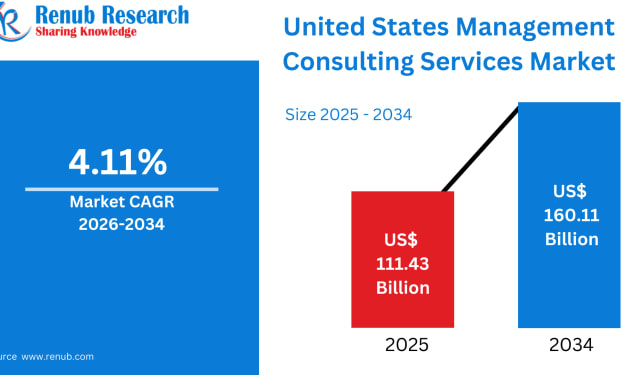
United States Management Consulting Services Market Size & Forecast 2026–2034
United States Management Consulting Services Market: A Strategic Engine for Modern Business The United States Management Consulting Services Market is anticipated to grow steadily, expanding from US$ 111.43 Billion in 2025 to US$ 160.11 Billion by 2034, registering a Compound Annual Growth Rate (CAGR) of 4.11% between 2026 and 2034. This sustained expansion reflects the increasing reliance of organizations on professional advisory services to navigate digital disruption, operational complexity, regulatory pressures, and intensifying competition.
By Aaina Oberoi3 days ago in Longevity



Comments
There are no comments for this story
Be the first to respond and start the conversation.