
Europe Anticoagulants Market to Surpass US$ 23.6 Billion by 2033 as Cardiovascular Risks Surge
Growing geriatric population, widespread adoption of NOACs, and strong healthcare reforms are reshaping the anticoagulant landscape across Europe.

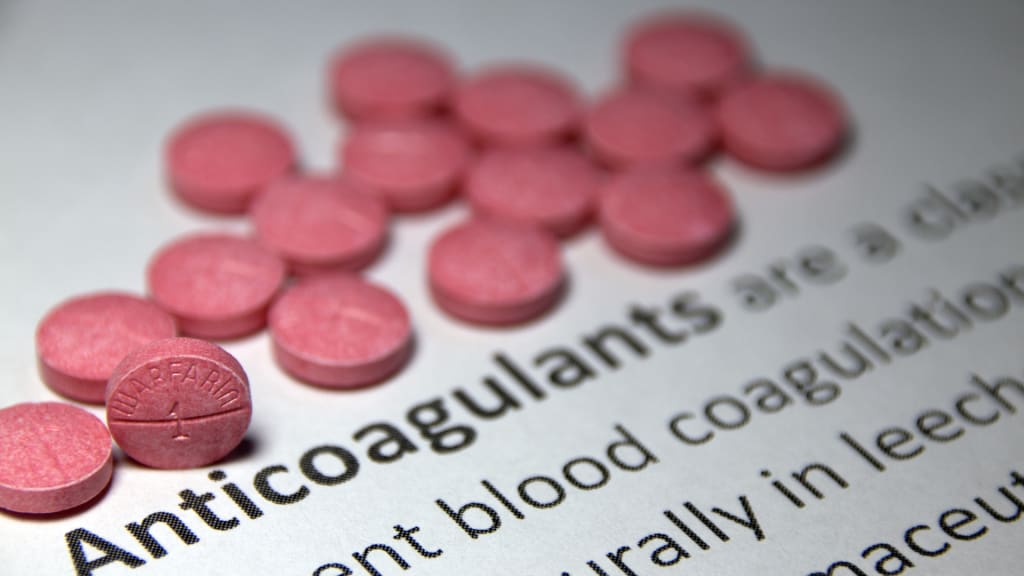
The Europe Anticoagulants Market is entering a transformative decade—one driven by evolving patient needs, innovation in drug formulation, and unprecedented disease burden. According to Renub Research, the market is forecasted to grow from US$ 11.63 billion in 2024 to US$ 23.68 billion by 2033, registering a CAGR of 8.22% from 2025 to 2033. This robust surge is fueled by sedentary lifestyles, rising cases of thrombotic disorders, improved healthcare access, and the revolutionary adoption of Novel Oral Anticoagulants (NOACs).
Understanding the Burden: Why Blood Clots Are Europe’s Silent Threat
Anticoagulants—commonly termed blood thinners—play a life-saving role in preventing clot formation in veins and arteries. They are pivotal in treating conditions such as:
Atrial Fibrillation (AFib)
Pulmonary Embolism (PE)
Deep Vein Thrombosis (DVT)
Heart Attack and Stroke
Europe currently bears a heavy cardiovascular burden. Nearly 45% of all deaths in Europe are linked to heart-related disorders, and clot-based complications are among the most common triggers. Adding to the crisis is an aging demographic—people aged 60+ are disproportionately affected due to inactivity, obesity, hereditary blood-clot tendencies, prolonged immobility, and co-morbidities.
A sedentary lifestyle, increased alcohol consumption, smoking habits, and highly processed diets have amplified the risk factors, positioning anticoagulants as a frontline clinical defense across the continent.
Market Drivers Powering Unstoppable Growth
✅ 1. Rapidly Aging Population & Rising Cardiac Disorders
Europe’s median population age is among the highest globally. The elderly are significantly more vulnerable to clot disorders, chronic cardiovascular disease, and stroke risks, escalating life-long dependency on anticoagulant therapy.
✅ 2. Groundbreaking Shift Toward NOACs
The transition from traditional Vitamin K Antagonists (VKAs)—such as warfarin—to Novel Oral Anticoagulants (NOACs) like:
Apixaban
Dabigatran
Rivaroxaban
Edoxaban
…marks one of the biggest disruptions in modern cardiovascular therapy. NOACs offer:
✔ No routine blood monitoring
✔ Fewer dietary restrictions
✔ Reduced drug interactions
✔ Faster onset of action and more predictable dosing
This convenience has dramatically improved patient compliance, physician trust, and treatment outcomes.
✅ 3. Government Support & Reimbursement Programs
Countries like Germany, France, and the UK have rolled out reimbursement schemes and national cardiovascular prevention programs to improve accessibility and affordability of anticoagulant medications. These policies have played a critical role in market expansion by lowering financial barriers for patients requiring long-term therapy.
Market Challenges That Cannot Be Ignored
❗ Bleeding Risks & Side Effects
Excessive bleeding remains the primary clinical drawback of all anticoagulant therapies. Higher-risk groups include:
Elderly patients
Those with kidney or gastrointestinal disorders
Patients on multiple medications
Managing these risks demands frequent follow-ups and meticulous dose adjustment, placing additional burden on healthcare infrastructure.
❗ Limited Awareness in Rural Regions
Despite Europe’s strong healthcare ecosystem, several rural pockets still struggle with:
Delayed diagnosis
Limited understanding of clot-related symptoms
Lower awareness of NOAC advantages
Lack of specialized medical training
This gap slows adoption of advanced therapies in under-served regions.
Country-Wise Insights: Leaders in the European Anticoagulant Market
🇫🇷 France
France is witnessing rising adoption of NOACs due to:
Strong healthcare reimbursement models
A rapidly aging population
Focus on preventive cardiovascular care
However, rural awareness gaps and anticoagulant therapy costs still create friction in universal penetration.
🇬🇧 United Kingdom
In the UK, increasing AFib and DVT cases combined with advancements in pharmacogenomics and personalized medicine have reshaped treatment methodologies. The NHS actively supports anticoagulant accessibility, though challenges persist around:
Reversal drug availability
High cost of next-gen therapies
Bleeding risks in high-risk groups
🇩🇪 Germany
Germany boasts one of Europe’s most advanced cardiovascular care infrastructures. The country is leading in NOAC prescription rates due to:
Strong clinical acceptance
Digital health monitoring advancements
Patient-specific treatment pathways
But premium anticoagulant pricing and limited reversal options remain major barriers.
🇪🇸 Spain
Spain is logging steady growth due to increased DVT and AFib cases, rising geriatric population, and healthcare digitization. NOAC adoption continues to climb, though systemic constraints such as high treatment cost and patient risk management remain concerns.
Market Segmentation Overview
By Drug Class
Novel Oral Anticoagulants (NOACs)
Heparin & LMWH
Vitamin K Antagonists
Others
By Route of Administration
Oral Anticoagulants (dominant segment, driven by NOAC adoption)
Injectable Anticoagulants
By Distribution Channel
Hospital Pharmacies
Retail Pharmacies
Online Stores
Others
By Medical Application
Atrial Fibrillation & Heart Attack
Stroke
Deep Vein Thrombosis (DVT)
Pulmonary Embolism (PE)
Others
By Country Coverage
France, Germany, Italy, Spain, United Kingdom, Belgium, Netherlands, Russia, Poland, Greece, Norway, Romania, Portugal, Rest of Europe
Key Players Driving Innovation
Company Strength Highlights
Pfizer Inc. Strong NOAC drug portfolio & global R&D investments
Bayer AG Developer of Xarelto, one of the most prescribed NOACs worldwide
Bristol-Myers Squibb Co-developer of Eliquis, leading the NOAC category
Johnson & Johnson Global cardiovascular drug dominance
Sanofi Strong anticoagulant and cardiovascular product innovation
Daiichi Sankyo Focus on next-gen anticoagulant therapies
Aspen Holdings & Alexion Pharma Expanding Europe healthcare footprint
All company analysis includes:
Business overview
Key executives
Recent developments
Revenue insights
What the Next Decade Looks Like
The future of anticoagulants in Europe points to:
🚀 NOACs becoming the default prescription
🚀 Digital patient monitoring and AI-driven dosage optimization
🚀 Improved reversal medications for bleeding risk management
🚀 Pharma investment in safer, faster-acting formulations
🚀 Increasing home-based treatment adoption and online pharmacy sales
Final Thoughts
Europe’s anticoagulant market is no longer just expanding—it is transforming. The shift toward patient-centric, safer, and smarter therapy options marks a new era in thrombotic disease management. While challenges like bleeding risks and unequal awareness persist, the momentum created by NOAC innovation, reimbursement policies, and early diagnosis initiatives makes the next decade a turning point in cardiovascular care.
With US$ 23.68 billion on the horizon by 2033, the anticoagulant segment will remain one of Europe’s most critical and fastest-growing healthcare markets.
About the Creator
Keep reading
More stories from Aaina Oberoi and writers in Longevity and other communities.
Europe High-Intensity Focused Ultrasound Market Size & Forecast 2025–2033
Europe is witnessing a silent medical revolution—one where scalpels are being replaced by sound waves and surgical tables with outpatient suites. High-Intensity Focused Ultrasound (HIFU) has emerged as one of the most promising non-invasive therapeutic modalities reshaping cancer care, gynecology, neurology, and aesthetics across the continent.
By Aaina Oberoi2 months ago in Longevity
Day 4 of Quitting
If this is how sobriety feels, maybe it’s better to go through life a little buzzed… this, along with other hits like, I want to kill myself, I wish I was dead, and I’m going to throw myself off a bridge have been the only thoughts on rotation these past few days. I promise myself that if, in a month, I still feel like this (‘this’ meaning despondent, full of rage, and simultaneously numb) I can go back to smoking. Until mid-February though? Nicotine is off the table.
By sleepy drafts5 days ago in Longevity
Greenland in Uproar After Researchers Call for Orca Cull to Protect Fragile Arctic Ecosystem
Greenland is facing an unexpected and heated debate over the future of one of the Arctic’s most iconic predators. A recent study by a team of marine researchers has sparked outrage by suggesting that an orca cull may be necessary to preserve the fragile Arctic ecosystem. While scientists argue that the intervention could protect vulnerable species and maintain ecological balance, local communities, conservationists, and animal rights activists have reacted with alarm, calling the proposal both unnecessary and ethically troubling.
By Fiaz Ahmed 3 days ago in Longevity


Comments
There are no comments for this story
Be the first to respond and start the conversation.